10 Essential Rules for Raw Dog Food: Vet-Verified Nutrition Considerations


In this article
View 1 More +Raw feeding is a controversial subject among dog owners, with some advocating for and some against it. There are clear guidelines from regulating bodies such as the American Veterinary Medical Association (AMVA), the Center for Disease Control (CDC), and the U.S Food and Drug Association (FDA) stating that raw feeding your dog is not recommended because of the risks involved to your dog and your family.1
However, if you must serve raw food to your dog, following strict hygiene rules and practices is important to lessen (but never eliminate) the risks. In this article, we’ll look at 10 essential rules for raw dog food and why raw feeding is not recommended.

The 10 Essential Rules for Raw Dog Food
1. Do Your Research

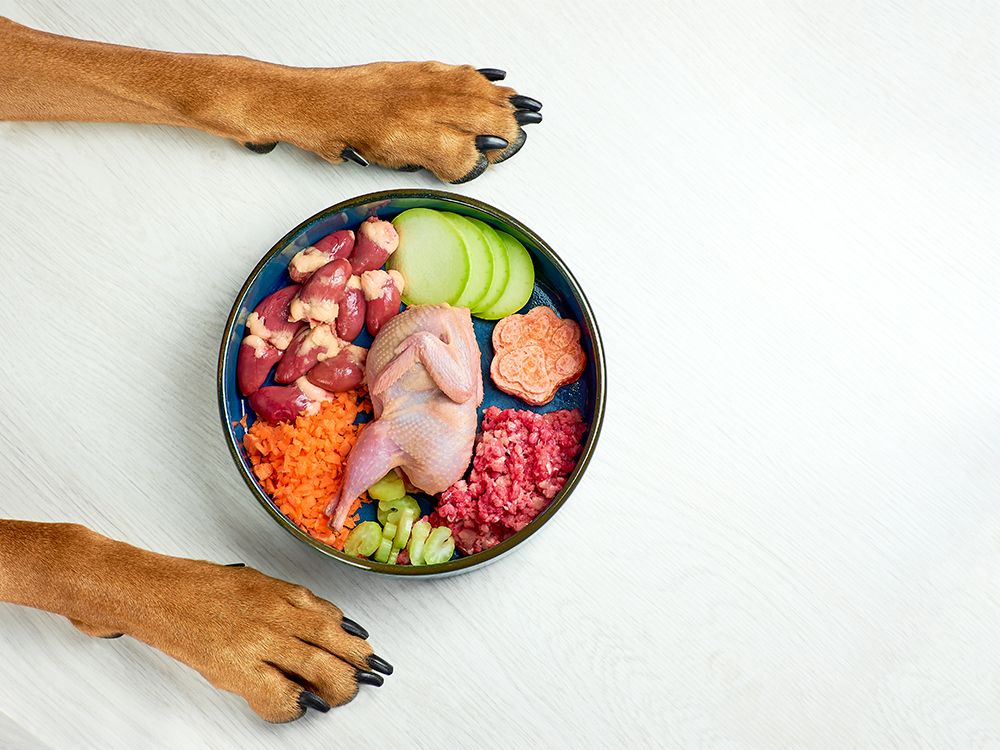
Before feeding your dog raw food, you need to research the risks and different foods available. Raw food can be pre-packaged in portions from the supplier (often frozen), refrigerated in packets, or homemade using cuts of meat like those we’d eat.
Using pre-made raw food is easiest, but you must research the manufacturer and their practices before choosing a food. You can determine if the food is safe by finding out where the food is sourced, how often testing is performed, and checking to see if the company has had any recalls. Home-cooked diets can be nutrient deficient, so we recommend finding something that meets the American Association of Feed Control Officers (AAFCO) standards.2
2. Thoroughly Clean Your Hands Before and After
Washing your hands thoroughly before and after handling raw food and the utensils used to prepare it can stop the spread of germs from your hands to the food. Bacteria such as salmonella, listeria, and E.coli are harmful pathogens easily spread on hands or cooking utensils.
To ensure you properly clean your hands and prevent the spread of germs, you need to wash them with soap and water for at least 20 seconds before and after the following:
- Touching raw food
- Touching surfaces that have been in contact with raw food, such as countertops or the inside of microwaves
- Touching or handling utensils used to prepare raw food, such as spoons, bowls, knives, or cutting boards.
3. Clean and Disinfect All Surfaces and Utensils

Similarly to washing your hands, you need to ensure all surfaces and utensils used to prepare your dog’s raw food are cleaned and disinfected after use. Cleaning gets rid of surface dirt but won’t ensure bacteria are destroyed.
Disinfection is a longer (but necessary) process that destroys pathogens and makes surfaces and utensils safe for further use. To properly disinfect surfaces and utensils after preparing your dog’s raw food, follow these steps:
- After thorough cleaning with hot, soapy water, make a bleach solution using 1 tablespoon of bleach to 1 quart of water (for a larger quantity, use ¼ cup of bleach to one gallon of water).
- Let the solution stand for 3 to 5 minutes (or follow the manufacturer's instructions)
- Consider running the items through a dishwasher once cleaned to disinfect them
4. Correctly Freeze, Thaw, and Store Raw Food
Keeping your dog's raw food stored correctly can reduce the risk of illness for them and you. Most raw food comes frozen, and it's important to keep any food not in use frozen at the correct temperature.
This ensures freshness and prevents bacterial growth. Freezing may even kill some microorganisms, making the food safer for your dog. Pet food, including meat, fish, or poultry you buy at the store for raw feeding purposes, should be frozen prior to feeding your dog. Thawing raw food should always be done in the fridge or the microwave, according to manufacturer instructions.
Never allow raw food to thaw on surfaces or in the sink! Any food your dog hasn’t eaten should be covered and refrigerated in a separate container from all other raw foods or disposed of safely in a sealed bag.
5. Handle Raw Food Properly

While preparing your dog's food, you should be mindful of the spread of bacteria. Make sure not to touch your (or others) face, mouth, nose, or eyes when handling raw food, and try not to touch any surfaces not used in the preparation process.
Don’t wash the raw food since the water and juices can splash and spread pathogens onto nearby surfaces.
6. Keep Raw Food Away From Other Food
Whether stored in the fridge or freezer, it’s important to keep your dog's raw food away from other items. This is to prevent the spread of pathogens into the food you or your family might eat, as well as to avoid confusion!
You can buy containers to store your dog’s raw food, and it’s best to use different colors that don’t look like the ones for human food.
7. Don’t Let Your Dog Kiss You!

Dogs are affectionate, which is why we love them so much. Getting kisses from your dog and letting them lick your hand or face is cute, but it can be a big problem if your dog eats raw food.
You should never let your dog lick your face or body or kiss them around the mouth if they're raw-fed (this is especially true if they’ve just eaten). Make sure that the other family members in the house also avoid it, including children. The pathogens in rare food are particularly dangerous to young children, who are at the perfect height to have their faces licked.
Similarly, harmful bacteria will also be present in the dog poo, so follow strict hygiene practices and pick up after your dog regularly.
8. Wash Your Hands After Petting Your Dog
Alongside not kissing your dog, you should wash your hands thoroughly after touching or petting them. Dogs clean themselves by licking, and the bacteria from raw food can spread to their fur and easily transfer to your hands. This also includes coats, clothes, or collars your dog wears.
9. Keep Raw Food Away From Children and Other Pets

Raw food (like any pet food) should be kept securely away from children and other pets. It can be stored on the highest shelves in the fridge or freezer to keep it out of reach and sight of children.
Pick up the food your dog does not eat immediately and tie it in a secure bag when disposing of it to ensure other pets cannot get to it.
10. Keep Up To Date With Parasite Prevention
Raw meat can contain the cysts of Taenia spp. tapeworm larvae. When ingested, the larvae mature in the dogs gastrointestinal tract, and can grow large (up to 5 yards for some species). They feed on your dog's food and cause your dog to shed egg packets in the feces, which look like grains of rice. A wormer containing praziquantel will kill tapeworms, so talk to your veterinarian about a deworming schedule.
11. Consult a Veterinarian or a Veterinary Nutritionist

If you decide to feed raw food to your pup, you should ensure your dog's nutritional needs are met by the food you choose. This is especially important when making the raw food yourself.
Commercial, cooked foods are produced in line with regulations to ensure they contain the correct balance of nutrients your dog needs to thrive. Raw food, particularly raw diets created by owners, may not meet all of your dog's needs. Dogs with additional needs or those who are very young, old, or immunocompromised may also be at increased risk from pathogens.
Why is Raw Food Not Recommended?
The FDA, CDC, and AMVA all do not recommend raw feeding. That is because there is a real risk to yourself, your family, and your pet from bacteria in raw foods. Raw or undercooked foods that are concerning include:
- Poultry
- Fish
- Beef
- Pork
- Wild or other animal meat
- Eggs
- Unpasteurized milk
Several strains of pathogens are found in raw pet food that are very dangerous, particularly to children, elderly people, immunocompromised people, and those who are pregnant. Pathogens in raw pet food include:
- Salmonella
- Listeria monocytogenes
- Campylobacter
- Clostridium
- Enterotoxigenic Staphylococcus aureus
A study conducted over 2 years that tested several pet foods for pathogens concluded that a large percentage of raw pet food tested positive for salmonella and listeria.
Conclusion
Raw feeding has become more popular over recent years. However, it's well known that raw food can spread dangerous bacteria and make your dog, you, or other members of your family very sick.
Luckily, there are ways to reduce the risk as much as possible. Maintaining stringent hygiene practices and keeping up with cleaning can help you stay safe but always check with your veterinarian before changing any part of your dog's diet.
Sources
Featured Image Credit: Zontica, Shutterstock
Expert dog care, straight to your inbox
News, insights, expert advice, and everything dog.

No spam — unsubscribe anytime.
By signing up, you agree to our Terms & Conditions and Privacy & Cookies Policy.
How useful was this post?
Click a star to rate. You can leave written feedback afterwards. (We read all feedback.)

Beth is a mom to two kids: one with four legs, one with two. Beth has years of practical experience as a veterinary care assistant , working in both the consult and in operating room, expanding her knowledge to gain certification in her favorite subject: feline behavior and welfare! When she's not writing about her favorite topics (cats and creature comforts), she's looking after her daughter and her mischievous Nebelung, Kiba. When she gets a moment to herself, Beth loves to delve into fiction books. Horror is her favorite genre, with fantasy and rich history being her second go-to's.