Get

In Your Inbox

Dogster is reader-supported. When you buy via links on our site, we may earn an affiliate commission at no cost to you. Learn more.

My Puppy Is Overweight: 5 Vet-Approved Tips on What to Do

Share

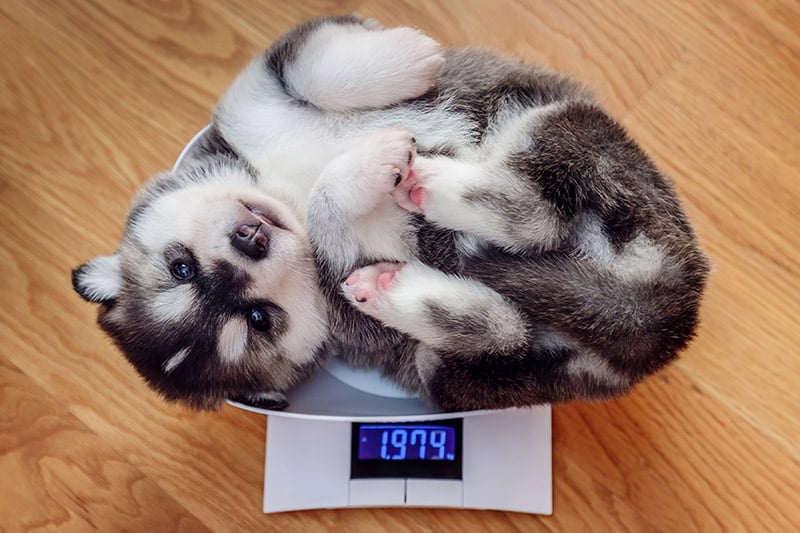
Husky puppy on a weighing scale

If you have an overweight puppy, we recommend consulting a veterinarian before implementing any suggestions in this post, as it may be related to diet or health, and making sudden changes to your puppy’s diet may bring on medical issues. That said, do you have an overweight puppy and wonder what you can do about the problem? It may seem cute to see a hefty fluff ball running around, but a puppy’s weight must be at a healthy number to avoid any strain on their developing body.

divider dog paws oct 2024

The 5 Tips on What to Do to Help a Puppy with Overweight

1. Feed Age-Appropriate Food
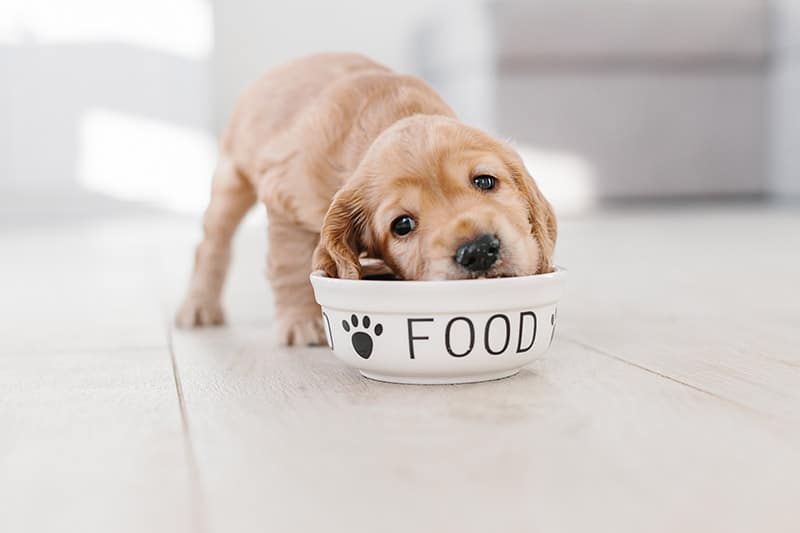
English cocker spaniel puppy eating from a ceramic bowl
Image Credit: Switlana Sonyashna, Shutterstock

A puppy’s diet requirements will be different from an adult’s, so ensure you feed healthy, complete, and balanced puppy food approved by the Association of American Feed Control Officials (AAFCO). If the food is approved by AAFCO, your puppy will receive all vital nutrients needed for proper growth and health.

The food should also be size-appropriate; for example, if you have a large breed, like a Labrador Retriever or Golden Retriever, ensure the puppy food is for large breeds. If you have a small breed, like a Chihuahua, ensure the puppy food is for small breeds.


2. Do Not Overfeed

All canine foods will have the required or suggested feeding amounts for the puppy’s age and weight. Keep in mind this is just a guide and some dogs might need more or less, and if ever in doubt, it’s important to work with a vet to ensure you’re feeding the appropriate amounts to avoid weight gain.

Ideally, puppies between 2 and 6 months old should be fed three meals daily, depending on the breed and size. However, a vet can help you determine how much and how often to feed your puppy.

If you need to speak with a vet but can't get to one, head over to PangoVet. It's our online service where you can talk to a vet online and get the personalized advice you need for your pet — all at an affordable price!

PangoVet_Mention-in-Content Savings V1


3. Exercise Your Puppy With Caution

Puppies need exercise to avoid weight gain and to develop cognitive skills, but it’s imperative not to over-exercise your puppy. A general guideline is to exercise your puppy 10 minutes per day for every month of their age. For example, exercise your puppy for 10 minutes at 1 month of age, 20 minutes per day at 2 months, and so on.

Exercising your puppy too much too fast can result in improper development of the joints. Puppies using stairs or exercising off leash before 3 months of age have an increased risk of hip dysplasia, but keep in mind that this is a multifactorial disease, with genetics and nutrition playing a part.

As your puppy grows, their stamina will increase; however, it’s best to avoid long periods of exercise at once. When your puppy reaches 3 months, they can exercise for 30 minutes per day, but keep the sessions short each time, and avoid running or hiking with your puppy until they are fully grown.


4. Limit Treats
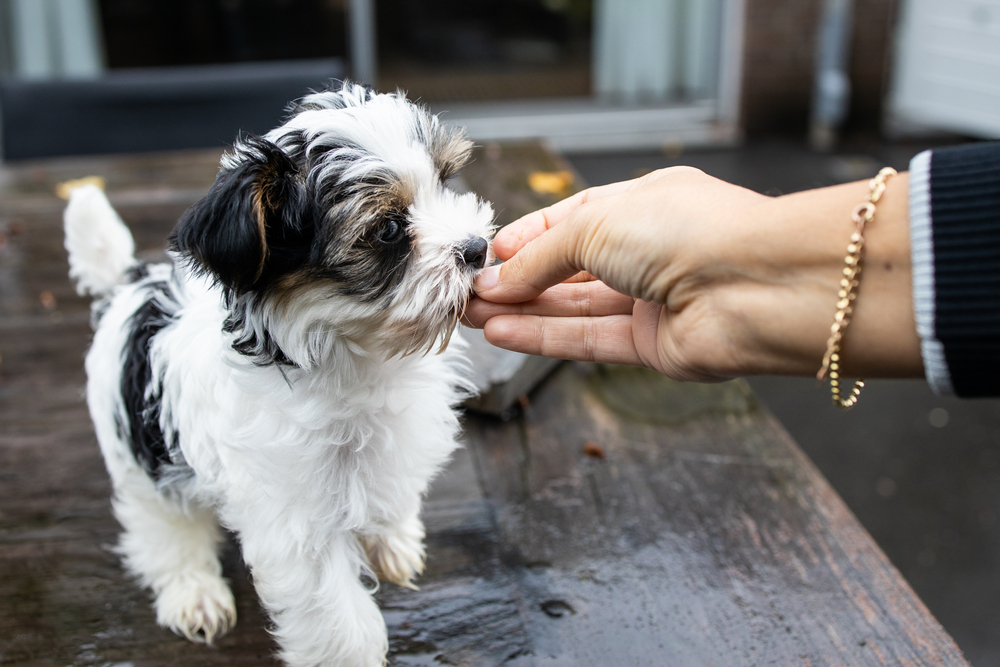
owner giving treat to the puppy on the table
Image Credit: Angeline Dobber, Shutterstock

Limiting treats is an excellent way to prevent your puppy from becoming overweight. Remember that you’re feeding your puppy a complete and balanced puppy food, and treats should not be given in excess. Also, ensure the treats are appropriate for puppies and are healthy without added fillers of artificial preservatives and coloring.

Of course, treats come in handy while you’re training your puppy, but don’t overdo it. As a rule of thumb, treats should only account for 10% of your dog’s diet. It may be difficult to determine how to calculate this, and the nutritional info on treat bags usually differs from dog food. It’s best to consult a vet to determine how many daily treats your puppy can have if you’re unsure. You can also look for healthy, low-calorie treats and use play rewards when training instead of treats.


5. Avoid Free-Feeding

It’s best to get your puppy acclimated to a feeding schedule. Free-feeding a puppy is not considered horrible; however, free-feeding your dog as an adult can lead to weight gain and obesity, which can then increase the risk of health issues, such as joint problems, diabetes, and even cancer.

A puppy’s food should ideally be split into two to three meals per day. Getting your puppy on a feeding schedule will aid in proper, healthy digestion, and it teaches your puppy routine.

dogster paw divider

How to Tell if Your Puppy Is Overweight

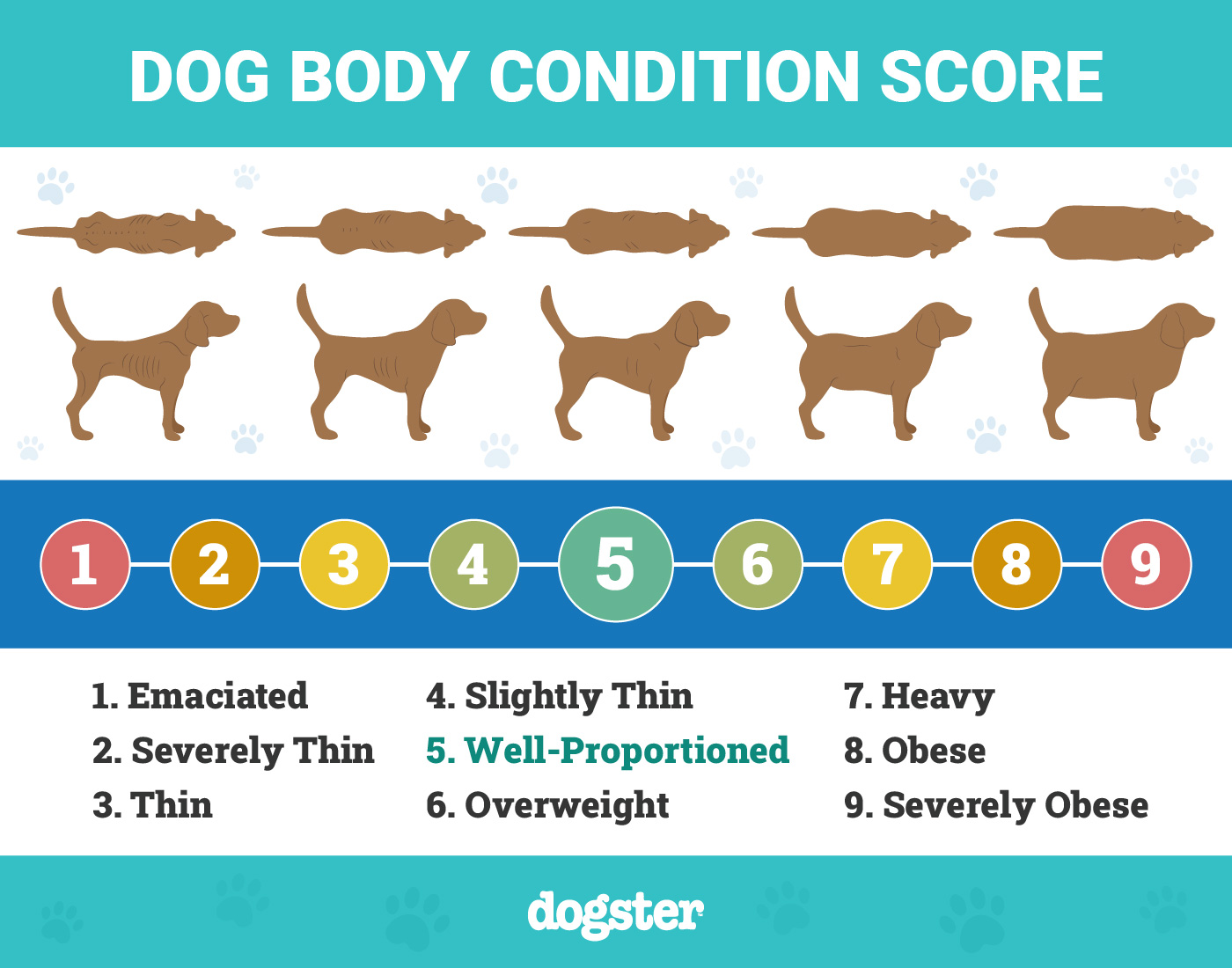
One way to tell if your puppy is overweight is to feel the ribs. You should be able to feel each rib without excessive fat. In other words, you should be able to count each one. If you have a hard time feeling the ribs and you really have to press to feel them, it’s likely your puppy is getting heavy.

When looking at your puppy from above, you should see that the flank is indented (the area between the ribs and pelvis). The chest should also be wider than the flank. If your puppy has a lot of fur, smooth down the hair and feel for a waist.
You are free to use this image but we do require you to link back to Dogster.com for credit

divider dog paws oct 2024

Conclusion

It’s imperative that you work with your veterinarian as a puppy parent to ensure your puppy stays on the right track to a healthy life as an adult. Reading nutritional labels on dog food can be confusing. However, utilize your vet to learn the appropriate portion sizes and the best puppy food to feed. Not all weight gain is from excessive eating or lack of exercise; your puppy may have a predisposed medical condition causing the weight gain (although this is very rare).

Limit exercise according to your puppy’s age and be careful not to overfeed treats. It’s also best to acclimate your puppy to a feeding schedule rather than free-feed.

See also:


Featured Image Credit: AnikaNes, Shutterstock

Want content like this delivered to you?

Sign Up For Our Newsletter

News, insights, expert advice, and everything dog

* By submitting, you agree to our Terms & Conditions and Privacy & Cookies Policy.


How useful was this post?

Click on a star to rate (you can leave written feedback after clicking submit)

Help us improve Dogster for pet parents!

Your feedback really matters.

What did you like about this post? Also how can we improve it?

Join the conversation

Leave a Reply

You’re very welcome to leave a comment or question. Please know that all comments must meet our community guidelines, and your email address will NOT be published. Let’s have a positive and constructive conversation.


Talk With A Vet Online

Peace of mind,
anywhere, anytime

Affordable vet advice

Dogster’s Weekly Photo Contest Winners: I’m a Messy Eater (March 26, 2026)

Every week our team gets the privilege of sorting through our readers photos to choose what dogs will win this weeks contest! See...

The Itchy Dog Survival Guide: Home Remedies That Help

Allergies in dogs are more common than most people realize, and they’re genuinely hard to pin down. The immune system overreacts to something...

Another Winner, Another Controversy

Still recovering from the disappointment of seeing a docked & cropped dog awarded Westminster Kennel Club’s “Best in Show,” only to be kicked...

Dogster’s Weekly Photo Contest Winners: My Favorite Toy (March 19, 2026)

Every week our team gets the privilege of sorting through our readers photos to choose what dogs will win this weeks contest! See...

More related

10 Canadian Service Dog & Pet Therapy Statistics to Know in 2026

Note: This article’s statistics come from third-party sources and do not represent the opinions of this website. Dogs and other pets have proven...

How to Remove Dog Tear Stains Naturally: Vet-Approved Tips & Tricks

Tear staining is especially common in white-coated dogs like Bichon Frises, Shih Tzus, and Maltese dogs. Though it can happen to darker-colored dogs,...

Shetland Sheepdog vs Australian Shepherd: The Differences (With Pictures)

The Shetland Sheepdog is nicknamed the Sheltie and is a herder from the Shetland Islands of Scotland. They used to stand guard for...

10 Best Summer Toys for Dogs In 2026 – Reviews & Top Picks

Summer is a time of year most dogs love. Not only does the pleasant weather mean they can spend more time outside, but...

Keep reading

9 Best Dog Foods for a Yorkie Poo in 2026 – Reviews & Top Picks

If you are the lucky owner of a Yorkie Poo, you are familiar with how such a large personality can come in a tiny package. There is no doubt you will be in search of the best dog food to...

Brown Yorkie Poo standing in the grass

7 Best Dog Foods for Standard Poodles in 2026: Reviews & Top Picks

Poodles come in standard, miniature, and toy sizes. While Poodles have a reputation for being proper and regal, they are also known for being mischievous and playful. Not only is the Standard Poodle one of the most popular breeds to...

standard poodle at the beach

Organ Meat for Dogs: Vet-Verified Safety & Preparation Tips 

Organ meats from animals that are raised properly and safely, such as farmed chickens, turkeys, ducks, cows, and sheep, can be a healthy and nutrient-rich treat for your dog. However, while dogs can technically eat organ meat, it’s crucial that...

Cooked chicken livers and gizzards in hot cast iron pan

10 Best Dog Foods for Labradoodles in 2026 — Reviews & Top Picks

Whether you have just brought a Labradoodle into your home or are a long-time owner, you want the best for your pet. Providing complete nutrition is part of keeping your dog active and healthy. As large dogs, Labradoodles have different...

labradoodle lying on bench

Essential and Non-Essential Amino Acids for Dogs: Vet-Verified Facts & FAQ

Amino acids are the building blocks of protein and, therefore, necessary for the synthesis of muscle and tissue. They also play a pivotal role in other metabolic processes in the cells. In nature, we can find 22 different types of...

Products rich in amino acids

Can Dogs Eat Jalapeños? Vet-Reviewed Health Facts

We humans have a much more varied diet than any of our four-legged companions. Our pantries and refrigerators are full of foods that our doggies would just love the opportunity to get their paws on, but we have to be...

Can Dogs Eat Jalapeños

Can Dogs Eat Mint? Vet Approved Facts & FAQ

What do you think of when you think of mint? Fresh breath, spruced-up salads, smoothies, and mojitos. But have you ever wondered if your dog can have mint? Smelly dog breath is a common complaint, so is it okay to...

can dogs eat mint

Can Dogs Eat Jicama? Vet-Verified Facts

As a dog owner, you know that canines will eat just about anything that they can get ahold of, even if it is not healthy or safe for them. Food scraps, garbage, and even poop are typically considered delicacies by...

Can Dogs Eat_jicama

Love Dogs? So Do We! Join the Dogster Community

Stay informed with expert pet care insights delivered straight to your inbox! Discover professional guidance on animal behavior, feeding tips, trusted product picks, and much more.


Sign up for the Dogster Email Newsletter