Alaskan Husky: Dog Breed Info, Pictures, Traits & Care

In this article
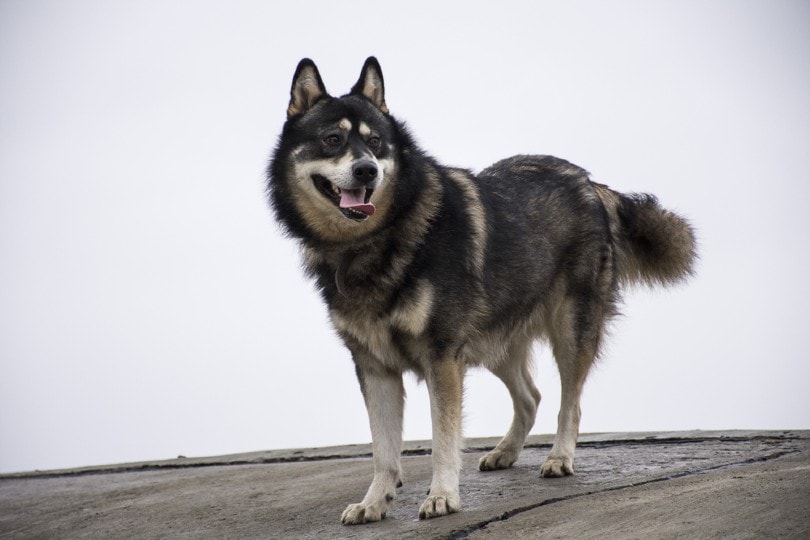
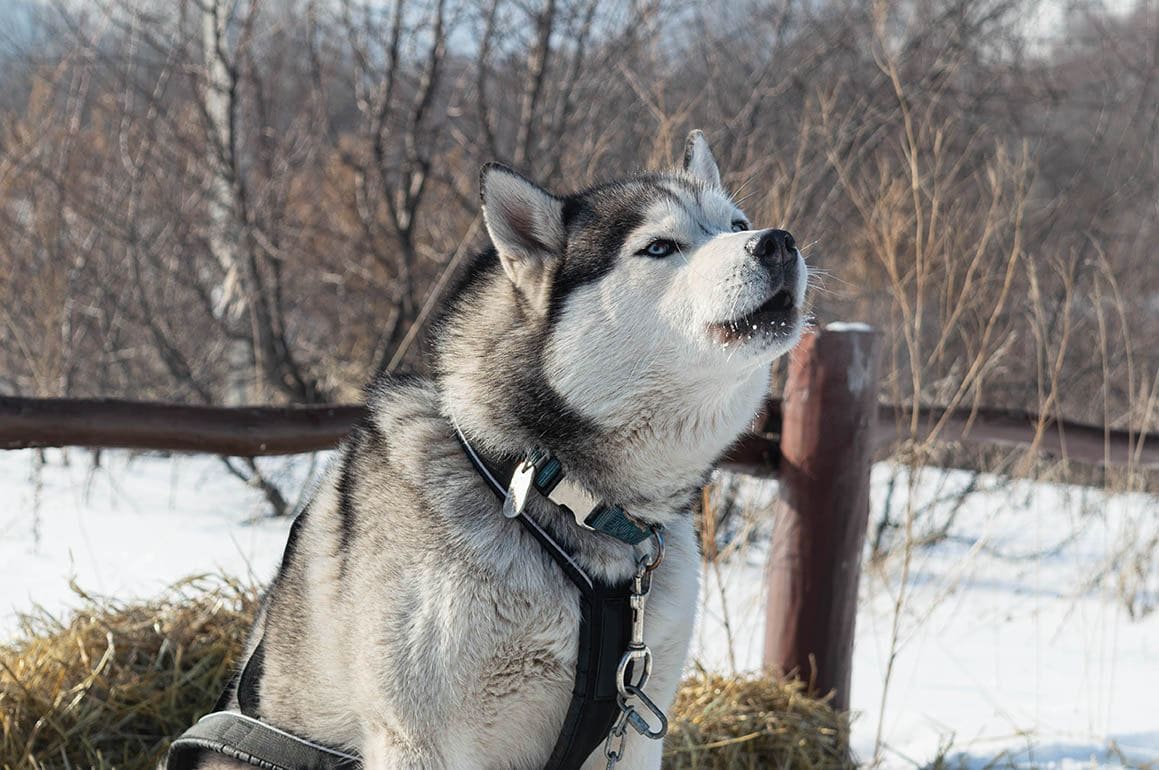
Are you ready for a dog that can run for miles that never tires? If so, the Alaskan Husky is your pooch. These are amazing working dogs with a non-stop motor, and that’s why they’re so popular, but only with the right crowd. And with such a wide range of appearances and personalities, you might’ve seen an Alaskan Husky in person and not even realized it. Let’s get into some more details about this breed, including their looks, temperament, and history.
Breed Overview
Height:
Weight:
Lifespan:
Colors:
Suitable for:
Temperament:
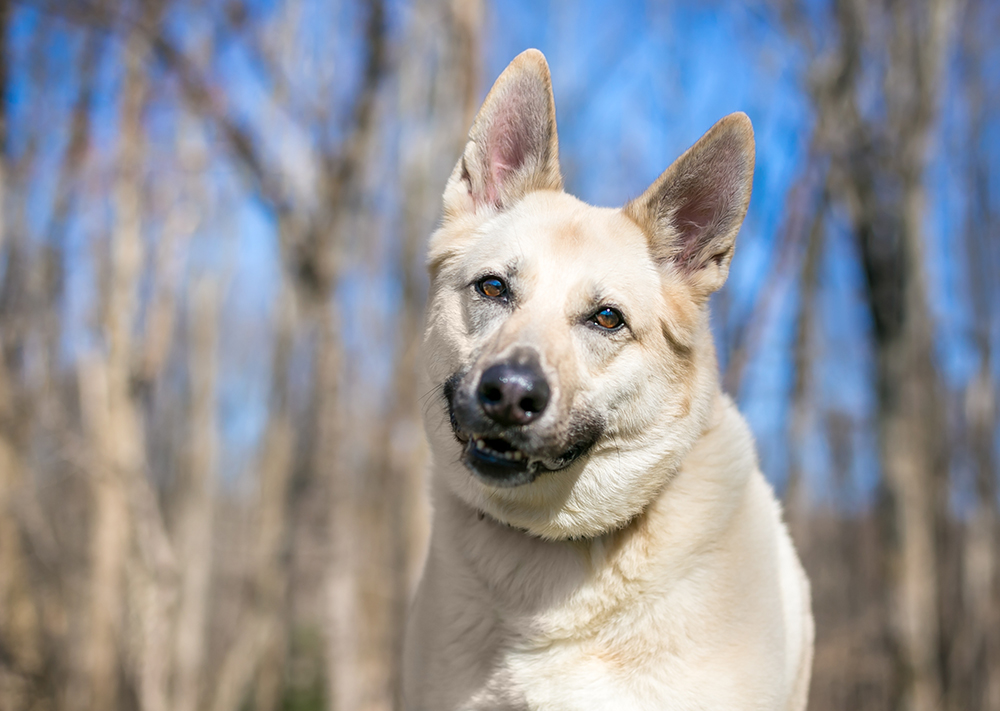
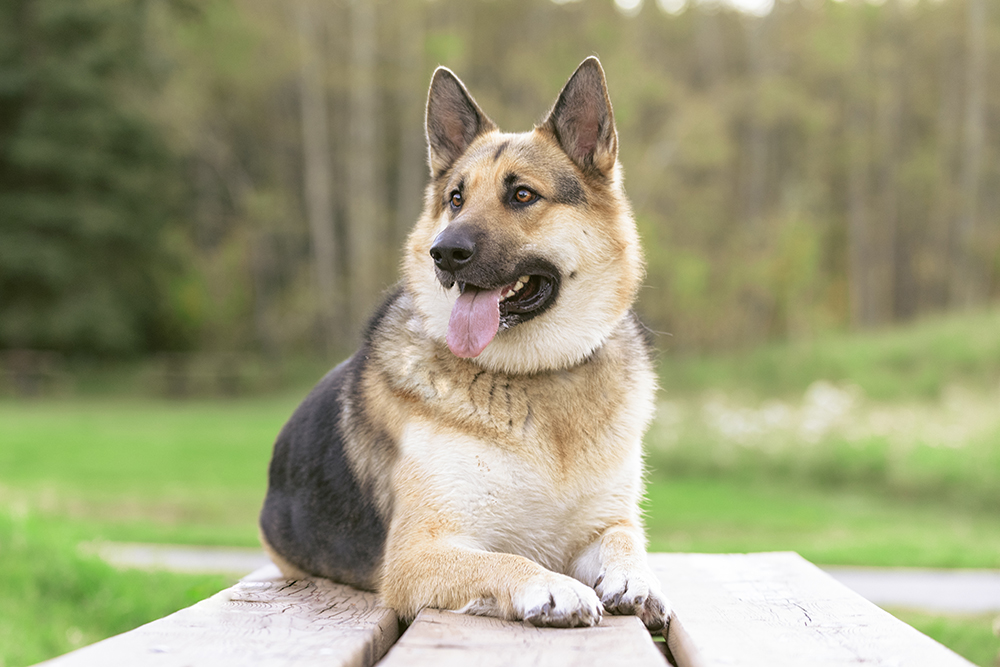
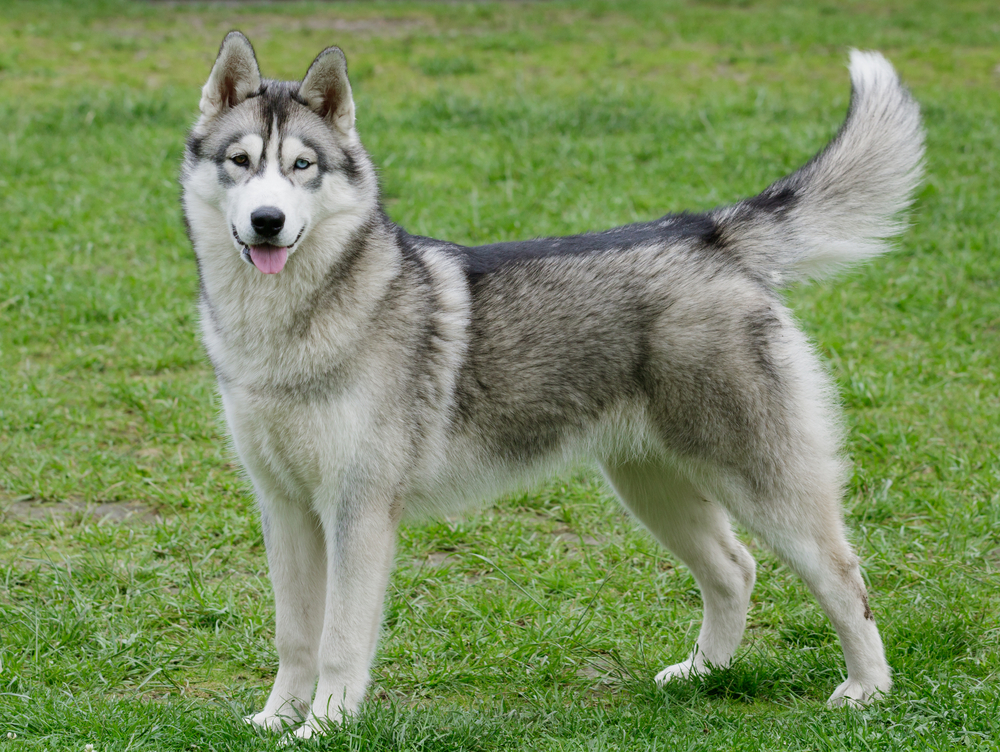
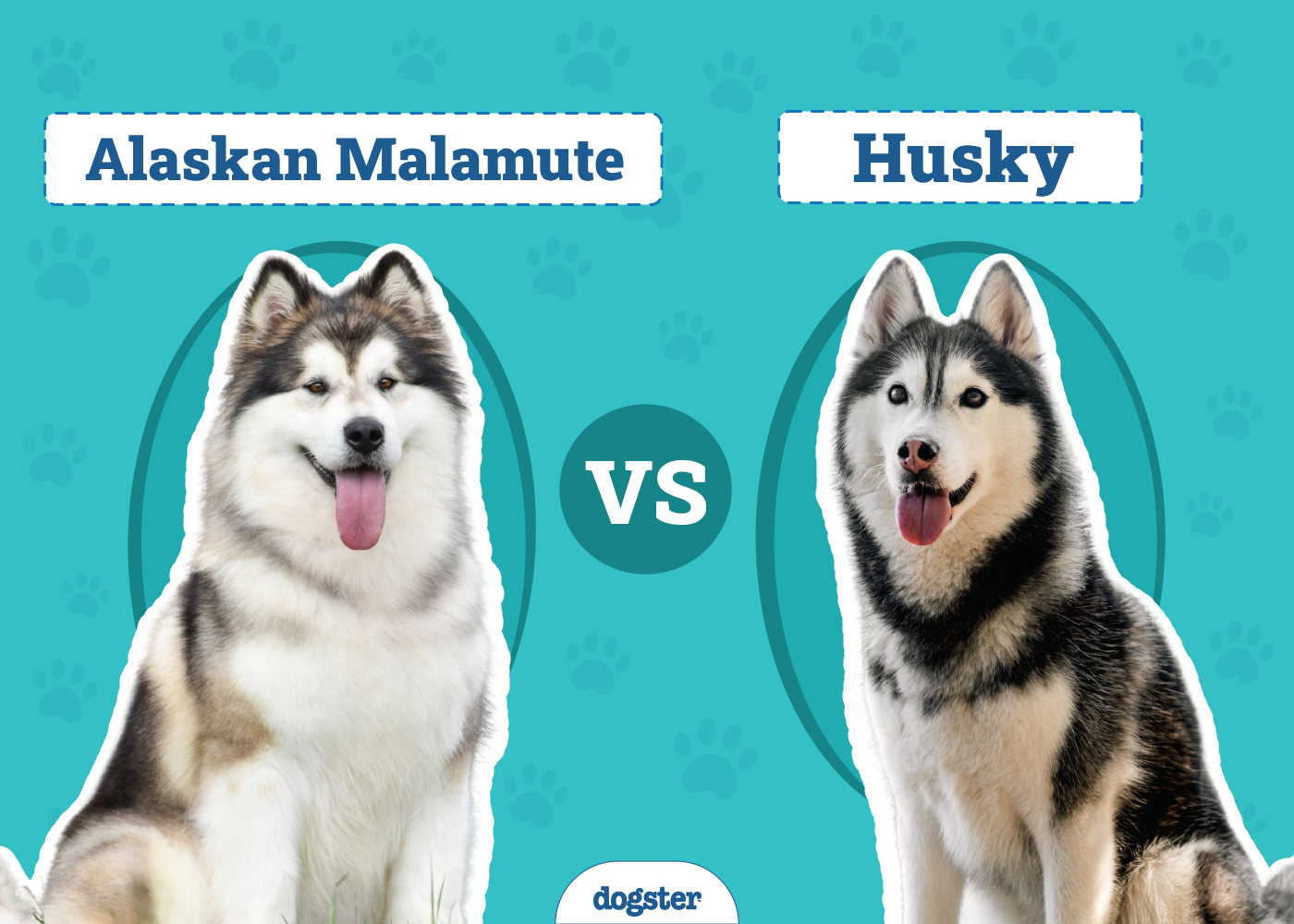
Alaskan Huskies don’t enjoy any official recognition from a breeder’s club like the American Kennel Club (AKC) since they’re not considered purebreds, and with so many potential parent breeds, it’s not hard to see why. Alaskan Huskies can come from Siberian Huskies, Greyhounds, Alaskan Malamute, German Shepherds, and more.
But even with so many variations out there, there are plenty of traits that keep people coming back for these dogs time and time again.
Alaskan Husky Characteristics

Alaskan Husky Breed Puppies

While the Alaskan Husky isn’t an officially recognized breed, that doesn’t mean it’s easy to find breeders. In fact, since they’re working dogs, the Alaskan Husky is pretty difficult to find in most of the mainland United States.
However, if you live in Alaska, it’s much easier to find a reputable breeder. Just keep in mind that breeding is often done with the purpose of using them as working dogs for a specific purpose, so it’s essential you find a breeder that highlights the traits you want and need.
If you want a racing Alaskan Husky, you’ll need to find a breeder for that, and if you’re looking for an Alaskan Husky to help you with other types of work, you’ll need a specific one who focuses on those traits.
In addition to finding the breeder with the right dogs for you, you’ll still need to ensure you’re getting a pet with a clean bill of health and a health guarantee, all of which should come from a breeder that has references you can reach out to.


Temperament & Intelligence of the Alaskan Husky 🧠
Alaskan Huskies have a wide range of temperaments, but there are a few core traits that almost every Alaskan Husky has. For starters, they tend to excel at work. They’re not lazy dogs at all and require lots of activity to meet their daily exercise needs.
Another trait they tend to share is an eagerness to please their owners. No matter what you’re training them to do, they need to be able to listen, and having an eagerness to please is crucial.
Also, keep in mind that these dogs tend to love being a part of a pack, but they’ll often be wary of strangers and anyone else they don’t view as a part of the pack. But overall, they’re extremely intelligent dogs, which is a core trait of a successful working dog.
Are These Dogs Good for Families? 👪
When you think of a good family dog, an Alaskan Husky isn’t what comes to mind. They’ll generally get along fine with kids and other family members, but they’re not a typical lap dog and they can be a bit much for families with smaller kids.
There’s nothing that will keep you from having an Alaskan Husky with kids, though; just keep in mind that they’ll want to spend most of their time completing their tasks, not necessarily hanging out with the kids or cuddling on the couch.

Does This Breed Get Along With Other Pets? 🐶 😽
When you’re trying to determine if an Alaskan Husky will get along with other pets in your home, you need to ask yourself one question: Will they view the other pet as a member of the pack?
If they do, they’ll probably get along with them; if they don’t, you’ll run into trouble. This means with proper socialization, they’ll generally get along great with other dogs, but they’ll likely run into problems with other types of pets. However, this is all dependent on how well they were socialized from a young age and throughout the rest of their life.

Things to Know When Owning an Alaskan Husky:
An Alaskan Husky isn’t quite like most other types of dogs, so it’s no surprise that there are a few surprises you should be aware of when getting one. To help you avoid some of those surprises, we’ve gone over some basic care requirements for you just below.
Food & Diet Requirements 🦴
Alaskan Huskies can vary quite a bit in size, and because of this, the exact amount you need to feed them varies significantly too. Just keep in mind that since these dogs are extremely active, you need to find a recipe that’s high in protein.
These foods tend to cost a bit more, but they’re an absolute necessity. If you’re ever unsure about the best food to pick for such an active breed, it’s best to consult with your veterinarian. On top of that, how much they exercise during the day could mean you have to adjust how much you feed them instead of following the packaging directions. Again, speak with your vet about this.

Exercise 🐕
If you’re looking for a dog you can walk around the block a few times and then hunker down on the couch for the evening, an Alaskan Husky is not the right choice. These dogs need a lot of exercise, and even if you have a fenced-in yard, you might not have enough space.
The more space they have to run around, the better, and you’ll need to give them ample opportunities to do so. Let them run for miles daily. Otherwise, you’ll have a pent-up pooch getting into all sorts of trouble.
Training 🎾
If you’re getting a working dog, it’s imperative that you take the time to train them. For starters, you’ll need to meet all their daily exercise needs or they’ll be too worked up for a proper training session and won’t be able to focus.
From there, aim for two training sessions a day, and each training session should only last between 10 and 15 minutes. Only use positive reinforcement, and bring along some of their favorite treats to lock in their attention.
Grooming ✂️
Because an Alaskan Husky can come from so many different breeds, their grooming requirements can vary quite a bit too. We recommend brushing them out once a day and brushing their teeth daily to keep up with oral hygiene.
As long as you’re meeting their daily exercise requirements, you shouldn’t need to worry about clipping their nails, but we recommend checking on them about once a month just to be safe.

Health and Conditions 🏥
Overall, Alaskan Huskies tend to be healthy dogs, especially if you get them from a reputable breeder. But because they can have so many parent breeds, it’s possible for them to develop all sorts of health conditions, which is why we took the time to highlight a few of them for you to look for.

Male vs. Female
Like most dog breeds, there’s not much of a difference between male and female Alaskan Huskies. Males tend to be a little bit larger, but because there’s no set breed standard, the litter and genetics of the specific pooch tend to play a much larger role than the gender.

3 Little-Known Facts About the Alaskan Husky
1. Alaskan Huskies Look Very Different From Each Other
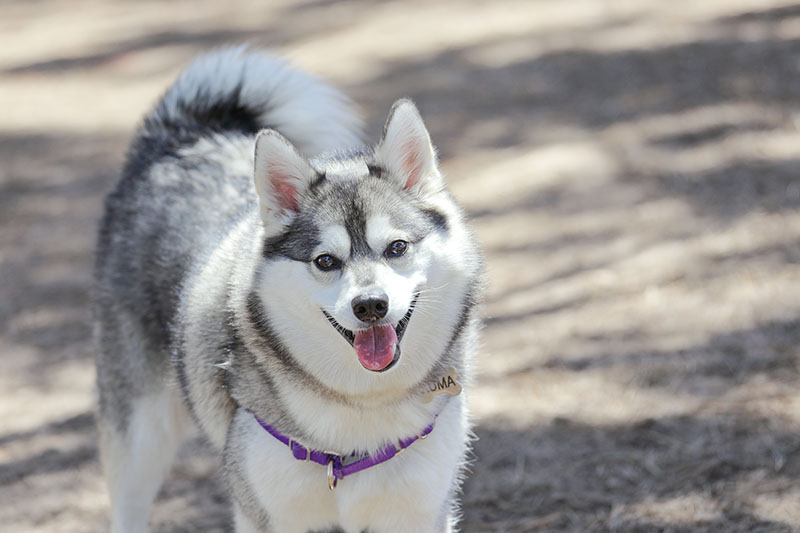
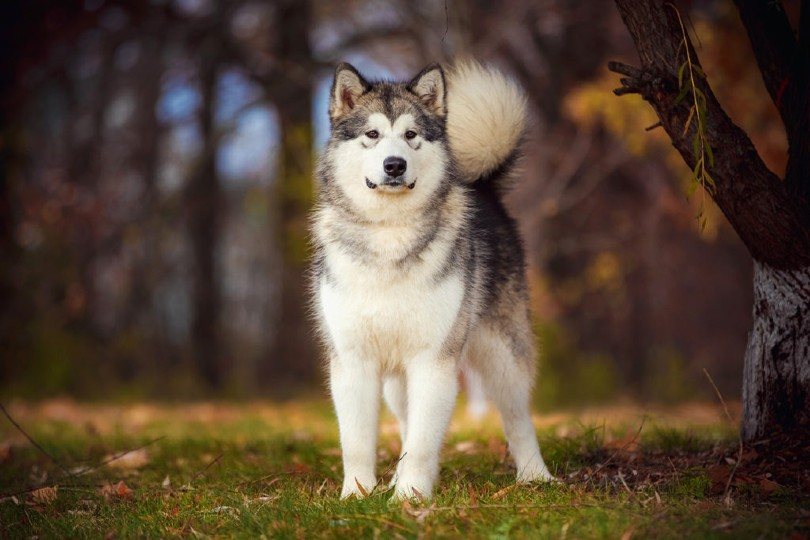
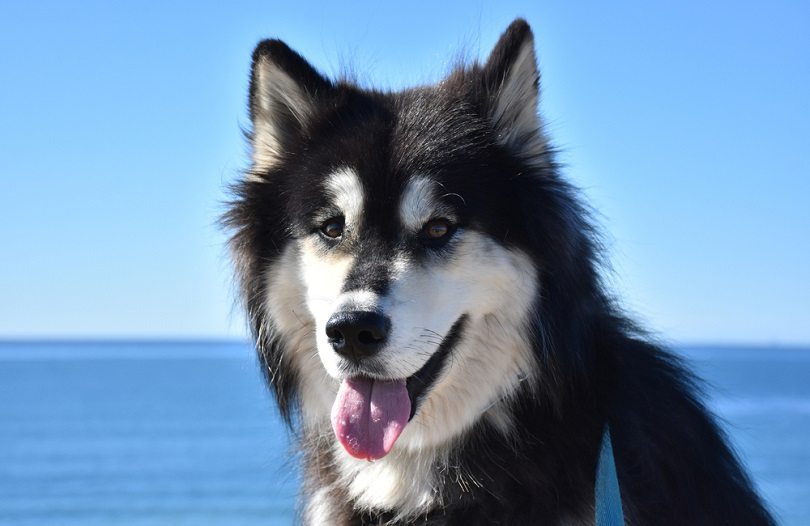
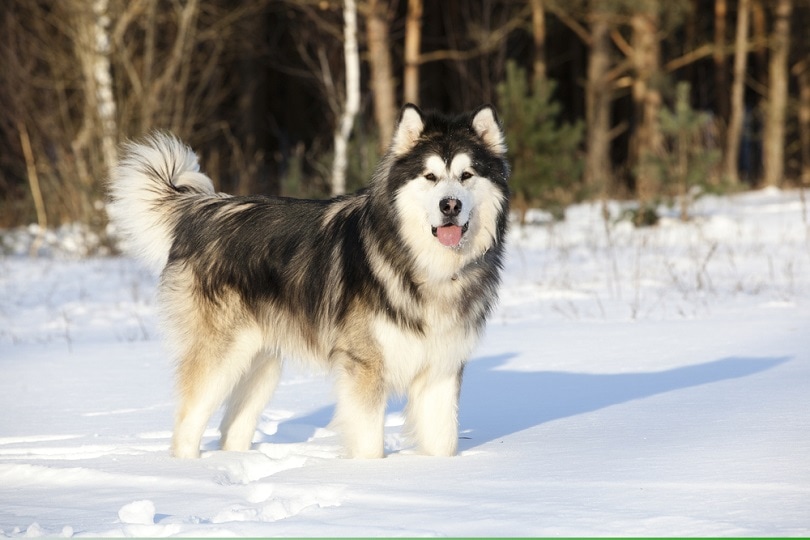
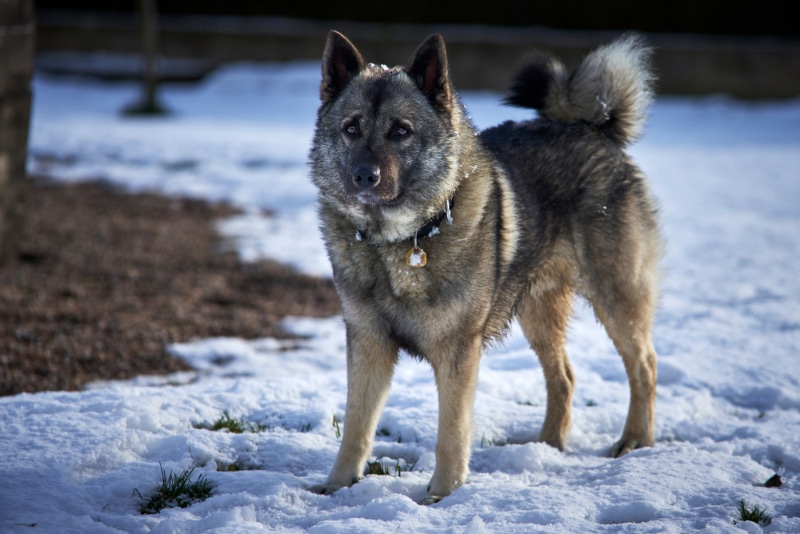
Some people think that all Alaskan Huskies look like Siberian Huskies. And while they can, that’s certainly not how they all look. They can have a wide range of appearances, come in nearly any color, and have different color patterns.

2. They Can Be Fiercely Independent
You might think that pack animals like to just go with the crowd and listen to everything you have to say, but that’s not always the case. They have no problem standing on their own when they need to, and it’s up to you to show them you’re the pack leader.
3. They’re Not Good for First-Time Pet Owners
If you’re thinking of getting an Alaskan Husky as your first pet, we highly recommend that you reconsider. These dogs are among the most challenging to own, and while they can be rewarding for the right owner, they’re definitely not right for everyone.

Conclusion
The Alaskan Husky certainly isn’t for everyone, but if you need an amazing working dog and don’t mind putting in the work, an Alaskan Husky might be just what you’re looking for.
Just keep in mind that they do love living in a pack, so you might want to consider giving them a friend or two that can keep up with extreme energy demands. Not only will this help keep them happy, but I can help you meet their exercise needs too!
See also:
Sources
Featured Image Credit: Sanchoz, Shutterstock
Expert dog care, straight to your inbox
Vet-reviewed advice, training tips, and the best of Dogster. Free, and you can unsubscribe anytime.
By signing up, you agree to our Terms & Conditions and Privacy & Cookies Policy.
Adam is a professional freelance writer and animal enthusiast who has rescued countless animals throughout the years. He's been a freelance writer for ten years and has been rescuing animals for even longer! Adam is also a proud father of three kids and is always up for a challenge and adventure!
Join the conversation
Ask a question, share your story, or send private feedback.