Short Term Foster Care for Dogs: Pros & Cons (Vet-Reviewed)



In this article
It's scary enough leaving your family and going out into a cold world where you're bounced around from facility to facility. Foster families come to the forefront to try to make this experience better for canines. If you have thought about potentially doing any kind of short-term fostering, you might wonder what it's all about.
Of course there are positives, such as getting to help canines in need and feeling like you're making a difference. However, there are always downsides to everything, and it is essential to understand if the benefits outweigh the potential drawbacks in situations such as this.

What is Short-Term Fostering?
Essentially, short-term fostering is caring for a dog while it awaits transportation between facilities. Sometimes, dogs have to be transported from facility to facility depending on a few factors, such as overcrowding, having a better chance of finding a family, going to a breed-specific rescue, or escaping euthanasia.
Fostering helps to get these dogs out of the current system they're in until they are able to get into a better situation.

Pros of Short-Term Fostering
Here's a little breakdown of the pros of short-term fostering and how it can benefit dogs.
1. It Helps Overwhelmed Shelters
The whole purpose of fostering in the first place is to help overwhelmed shelters, even if it’s just temporary. The reality is that shelters everywhere are overcrowded, and many dogs are euthanized as a result, often through no fault of their own.
Short-term fostering helps remove animals from shelters while they await transport to another facility that has better resources to care for them, or while they wait to be adopted by their forever family.
By moving animals into short-term foster homes, shelters are able to bring more animals in or provide more care to the animals that are left.

2. It Gives a Dog a Positive Experience
Many dogs that come from living in a shelter may not have had the best life experience or may not have the best care. Shelters do the best they can, but when there are sometimes hundreds of other dogs to take care of, shelter workers can only spend so much time with each dog.
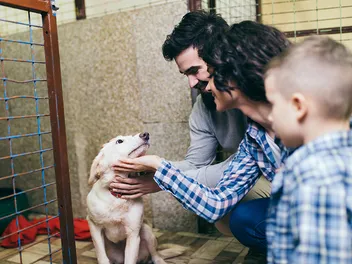
But fostering, even just short-term, can help a dog learn what it is like to be in a loving home. They can have a consistent schedule as far as feeding goes, and they can get more attention than they would in a shelter.
3. It Helps Socialize the Dog
Many dogs that come from shelter situations may not have the best experience with people and other pets. They could be timid, scared, or have other behavioral issues, especially if they’ve been in a shelter all of their lives.
Short-term fostering can help socialize a dog around people and even other animals, so that when they go to a new facility or their forever home, they may not be as wary of new situations and other animals.

4. Fostering Shows What the Dog Is Like in a Home Setting
To go along with what we’ve already mentioned, fostering shows what a dog will be like when there aren’t other dogs around. Maybe the dog is just shy in the shelter when there are too many other dogs around but are totally carefree when in a home by themselves.
Or maybe the dog gets along with certain types of animals and people but not others. Short-term fostering can give a better look into the dog's personality in a home setting, which can benefit other shelters or potential adopters that are getting the dog to know more about their personality.
Cons of Short-Term Fostering
As beneficial as short-term fostering is, it also has its downsides.
1. Not All Personalities Go Together
The downside of short-term fostering is that, as we mentioned, some dogs can have behavioral issues due to their background and past experiences. If you’re someone that does foster other pets or has permanent pets of your own, bringing a dog in that has certain issues may be problematic for the pets you already have.
Yes, the situation is only short-term, but often it doesn’t take much for some behavioral issues to quickly become problematic. So, it’s important to learn as much as you can about and visit with any dog that you plan to foster, even if it’s only for the short-term.

2. There Can Be Delays with Transport
Since the purpose of short-term fostering is often to only hold a dog until they can be moved elsewhere, many people are only signing up to hold the dog for a few days or weeks. However, sometimes there can be a delay with transport and you can end up having to foster the dog for longer than you intended.
This may not be a big deal for some people, but for others, it could mean financial issues due to having to feed and care for the dog for longer. Or if the dog doesn’t get along with other pets, it can lead to problems with aggression that you have to deal with for longer.
If you’re going to foster for the short-term, it is important to know that delays with transport can be a possibility, and make sure that the dog is compatible with your household and that you can finance the dog for longer if you need to.
3. Some People Can Have a Hard Time Letting the Dog Go
Many people that foster short-term understand that the dog can’t stay with them forever. However, this may not stop people from forming close attachments with the dogs in their care in a short amount of time.
When the time comes for the dog to leave, those people may have a hard time parting with the dog. In some cases, you may be able to keep the dog for longer or permanently, but this is not the case when the dog is already promised to a family that has paid for the dog to become theirs.
It can be a delicate situation, but one that you have to be prepared for if you’re going to foster for the short-term.

4. It May Be Bad for Certain Dogs
If you think about it, short-term fostering can be bad for some dogs. Dogs can become attached to people too, and they may not handle being moved around from facility to facility, with only a short stay at a loving home in between.
If the dog becomes used to you or a certain routine, it may cause behaviors such as separation anxiety when they go to the new facility.
Considerations for Short-Term Fostering
Now that you’ve seen the pros and cons of short-term fostering, you may still be trying to decide if it is right for you. Here are some other things to want to know and consider before making the decision.
1. Understand Fostering Isn’t for Every Dog Owner
The fact of the matter is, fostering simply isn't for everyone. Some people are super huge animal lovers but just can't handle all that comes with fostering. For some people, letting the dogs go at the end of things just doesn't sit well with them.
The dogs only being with you for a short time can be good if you can’t or don't want to commit for longer periods of time. However, it can also be harder to bond with the dog as you don't have as long a time to do so.
Ultimately, fostering is for people with the time, resources, and personality to manage the situation appropriately and give the dogs the best environment they can while they await their next steps.

2. Choose Compatible Foster Dogs
Sometimes, certain dogs just won't be compatible with your lifestyle. For example, if there is a dog that is a bite risk to children, you won't be able to invite this dog into your home if you have kids living at your home.
Or, if you have a dog that is absolutely petrified of men, bringing them into an all or mostly-male household isn't the best idea. Also, some dogs have dealt with aggression problems and other factors that prevent them from living with certain people of vulnerability like the very young or old.
Other situations can arise as well, such as your living conditions. For example, if you have a Great Pyrenees who is used to roaming around, they might not fare so well in an apartment space. Several different areas can make you an incompatible person to care for any animal, and that's completely okay.
Setting yourself aside by knowing your boundaries and what animals can reasonably match your lifestyle just gives the animal more room to find a foster parent that matches their needs.
3. Dogs Must Get Along with Existing Pets
If you have existing pets in your home, you have to make sure this visitor is going to be compatible with them. After all, you have a stranger coming into their space and everybody needs to be accepting of each other.
The shelter or rescue likely has protocols to ensure that the pets are compatible before the placement, but if not, it is important to request dogs that get along with existing pets.

4. You Must Be Familiar with Health Needs
Even though this animal was only staying with you for a brief time, you must ensure that you are familiar with their health conditions and be able to care for them appropriately.
Suppose they have to take a specific medication at any point in time in the day or they have any other peculiar or particular health needs. In that case, you will need to be aware of them so you can fulfill the responsibility.
Also, if the dog suffers from a spontaneous health condition, such as seizures, you'll need to know how to respond if a situation or attack occurs.
5. You Must Have the Time Necessary for a Specific Dog
Fostering requires a lot of your time. If you don't think you can keep up with the rigorous demands, you should skip this round. You must have a lot of capability to cater to this dog's needs while in your care.
6. You Must Protect Animals at All Times
You have to remember that while this animal is in your care, it is not yours. However, you are responsible for everything that happens to this animal. So, if anything occurs in your care, you are potentially liable. Some shelters may provide medical care at their own expense, but it is important to know beforehand what these arrangements will be.
This is a big responsibility and not one that every person wants. If you find yourself getting a little bit of anxiety about it, you have to weigh the pros and the cons of this situation to see if it's worth it for you.

7. You Must Have an Appropriate Environment
When you foster a dog, you have to make sure you have the appropriate environment. Most shelters require that you have a fence to make sure the dog does not escape or get hurt. You might also have to have no other pets or at least compatible ones.
This might require vigorous testing before determining if you're a match. If you have children or other pets, it also limits your availability, as not all animals are suitable for these environments.
You have to make sure that your criteria match to be able to foster, so always make sure that you are checking all the boxes.
In Conclusion
Now, you might have a firmer understanding of short-term fostering. It usually happens when dogs await transport before facility switches and can be a very good change of pace for pups that haven't yet found their forever home.
Short-term fostering is not for everyone—but it might just be a rewarding option for you!
Sources
Featured Image Credit: tonyfortku, Pixabay
Expert dog care, straight to your inbox
News, insights, expert advice, and everything dog.

No spam — unsubscribe anytime.
By signing up, you agree to our Terms & Conditions and Privacy & Cookies Policy.
How useful was this post?
Click a star to rate. You can leave written feedback afterwards. (We read all feedback.)
Ashley Bates is a freelance dog writer and pet enthusiast who is currently studying the art of animal therapy. A mother to four human children— and 23 furry and feathery kids, too – Ashley volunteers at local shelters, advocates for animal well-being, and rescues every creature in need. Her mission is to create awareness, education, and entertainment about pets to prevent homelessness. Her specialties are dogs and cats.