In this article
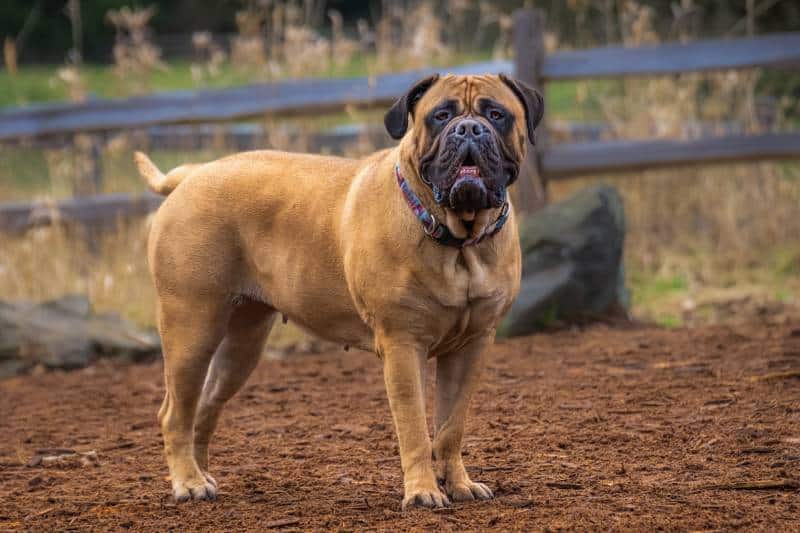
View 8 More +With a build and background belying their true nature, the Bullmastiff’s gentle, affectionate manner can come as a surprise. Though the breed originated as fearsome guardians, their immense loyalty has made them some of the most adored family dogs today. Find out what these magnificent dogs have in store as we discuss the mighty Bullmastiff’s temperament, care, and traits.
Breed Overview
Height:
24 – 27 inches
Weight:
100 – 130 pounds
Lifespan:
7 – 9 years
Colors:
Fawn, red, brindle, mixed colors
Suitable for:
Families with older children, those looking for a guardian dog
Temperament:
Loyal, intelligent, courageous, confident, alert, docile, wary, trainable but stubborn
The Bullmastiff is a relatively new breed that appeared in 1860 in England. Gamekeepers on English estates needed a capable yet disciplined helper to attack and fend off poachers on their sprawling grounds. English Mastiffs were too slow, and the large Bulldogs of the time were too aggressive, forcing them to find a middle ground that took the best from both breeds.
With careful breeding, they achieved a roughly 60% Mastiff/40% Bulldog mix. The newly created Bullmastiff was quick, powerful, and stealthy, a perfect guardian against shrewd thieves. Bullmastiffs became valued for their intelligence, trainability, bravery, and ability to work independently, which made them highly effective in their work.
Bullmastiff Characteristics

Bullmastiff Puppies

According to AKC registrations, the Bullmastiff’s popularity has been on a steady decline in the past decade. But that doesn’t mean they’re more challenging to find. You can usually locate adoptable dogs or purebreds through breeders, though due diligence is always crucial to finding reputable sellers and a compatible dog for your family.
Health testing and temperament testing on the puppy and researching the parent’s background will help you ensure a long, happy life with your new dog.
Socializing and training are crucial for Bullmastiff puppies. Instilling good habits like staying off the furniture and not jumping on people must begin early since they’re much more challenging to manage when they weigh over 100 pounds.
Fortunately, they tend to be obedient with the proper attention. Training and frequent exposure to various people and animals will help them develop into even-tempered, well-behaved adults.
Temperament & Intelligence of the Bullmastiff 🧠
Bullmastiffs are bright and biddable dogs noted for their immense courage and loyalty. In their original setting protecting property against poachers, they provided the perfect marriage of docility and independence. They were fearless and strategic but restrained enough to subdue and hold their quarry as commanded. Today’s Bullmastiffs are similarly eager and intelligent, making training easy. But they can also be stubborn if they don’t receive consistent training and leadership.
Bullmastiffs were also trained to be wary, highlighting the need for socialization. They remain exceptional guard dogs and protectors of their families but must learn manners around strangers from an early age. Restraint is part of their character. Although they will immediately jump into action if they sense a threat, they rarely get unreasonably aggressive.
Are These Dogs Good for Families? 👪
Bullmastiffs are delightful family dogs. They have a calm, gentle demeanor with children and are highly tolerant of their often clumsy handling. Growing up quickly, Bullmastiffs can cause some concerns due to their massive frames, especially around young children.
They are more patient and measured in their approach in adulthood, so this is less of a concern despite their size. Their natural inclination is to protect the adults and children from day one.

Does This Breed Get Along With Other Pets? 🐶 😽
A calm manner extends toward other pets in a Bullmastiff’s home. Bred as guardians against poachers, protecting animals was central to their character. Today, they remain equally patient and amicable with smaller pets in the home.
However, some owners have mentioned that dogs of the same sex can have issues getting along. Regardless of the pet, early introductions and consistent socialization from a young age will make all the difference in how they get along with other animals in the house.
Things to Know When Owning a Bullmastiff
Bullmastiffs are trainable and loyal but also a sensitive breed. They’re aware and alert to their family’s needs while requiring a gentle, positive approach from their owners to put them at ease. Patience and attention from a young age will minimize situations demanding correction and ensure a happy, outgoing dog.
Their size is also a consideration when purchasing supplies. Everything from their food and exercise requirements to their training needs centers on their enormous bodies and the potential challenges.
Food & Diet Requirements 🦴
Bullmastiffs should eat large-breed dog food to ensure proper development during their prolonged growth. Puppies generally thrive with more meals in smaller portions throughout the day to keep up with their energy demands.
Adults can eat 4–6 cups of food split between two meals. Due to their potential for bloat, you can consider breaking up their meals and avoiding exercise immediately after eating.
Exercise 🐕
Bullmastiffs will be more active when puppies, but you mustn’t overexert them when exercising. A common rule is to exercise them for a minute a day per every week of life (e.g., 12 weeks = 12 minutes of exercise), maxing out at around 40–45 minutes during their first year.
As adults, Bullmastiffs need around 30–60 minutes of exercise daily. Avoid high-impact or strenuous workouts. Walks, outdoor play in a fenced-in area, and indoor enrichment can be sufficient, safe ways to keep your dog at a healthy weight.

Training 🎾
Train Bullmastiffs early and often. Youth is the time to establish boundaries, train patience and obedience, and introduce your pet to trustworthy people to help them become more socially conscious.
You can enroll in puppy training and obedience classes to help them along. They respond best to positive reinforcement, and establishing a healthy training routine from a young age will help them relax and stay excited for the chance to train.
Grooming ✂️
The Bullmastiff’s short, dense, smooth coat is easy to maintain. Brushing every 2 to 3 days with a slicker brush and a bristle brush will remove dead hair and dirt from the coat’s surface while distributing oils to keep it soft and shiny. Seasonal shedding will increase the grooming schedule.
Weekly ear wipedowns and baths every couple of months will keep them healthy, though you can bump up the bathing if your Bullmastiff frequently gets dirty outside. Brushing their teeth at least 2 to 3 times weekly will help prevent decay and periodontal disease.
You can clip the nails at least once a month to round out a grooming routine that will keep your Bullmastiff looking and feeling their best.
Health and Conditions 🏥
Bullmastiffs are subject to various severe diseases afflicting Mastiff dogs. They are vulnerable to lymphoma and various heart diseases, particularly dilated cardiomyopathy. Their deep chests and sizable bodies make them more prone to bloat.
Joint problems, including hip and elbow dysplasia, can also become problematic, emphasizing the need for health testing before choosing a puppy from a breeder.
- Allergies
- Cancer
- Dilated cardiomyopathy
- Subaortic valvular stenosis
- Bloat
- Hip and elbow dysplasia
- Progressive retinal atrophy
Male vs Female
Male and female Bullmastiffs vary in size, and many owners note minor differences in temperament. Males are the larger and shorter-lived of the sexes. Some consider them more affectionate and outgoing, while many find females more serious, aloof, and protective.
3 Little-Known Facts About The Bullmastiff
1. Bullmastiffs Have an Extremely Short Lifespan
Bullmastiffs, unfortunately, have a short lifespan compared to most dogs, often succumbing to illness by 9 years of age. Cancer, particularly lymphoma, is a leading cause of death. Due to low population sizes, breeding against disease can be an issue with the Bullmastiff, making it especially vital to get health tests and pedigree records before deciding on a dog.
2. The Bullmastiff Is a Brown’s Icon
Some of the Bullmastiff’s popularity stems from their pop culture representation. Numerous celebrities have owned Bullmastiffs, including Bob Dylan, Marlon Brando, and Bon Jovi. Sylvester Stallone, another real-life Bullmastiff owner, even showed off his dog in Rocky. And to Cleveland Browns fans, the breed has become a quintessential symbol for their team.
The Browns mascot, Swagger, was a Bullmastiff the team introduced in 2014. After his retirement in 2019, his son, Swagger Jr., took up the mantle. In 2023, the Browns doubled down on the Bullmastiff identity by unveiling a new logo featuring the fearsome dog. The Bullmastiff was chosen as a result of a poll by Browns fans.
3. They Aren’t Naturally Big Barkers or Biters
As a specialist guarding estates against poachers, the Bullmastiff originated with a particular skill set that resulted in a unique combination of traits. They weren’t simple watchdogs meant to bark and alert their handlers.
Instead, they pursued their targets quietly to sneak up and attack them. But being less attack dogs than guard dogs, they also showed enough vocation to resist mauling their target when they finally caught them. The Bullmastiff was a light barker and unlikely biter, which are traits the modern breed continues to display.
Final Thoughts
Bullmastiffs take ongoing work to keep happy and obedient, but their laid-back attitude and low exercise demands are perfect for a relaxed family life. They’re an exceptional choice for a guardian. They’re reliable, confident, and intelligent, and they effortlessly provide companionship and loving warmth to brighten any household.
Featured Image Credit: Michael J Magee, Shutterstock