In this article
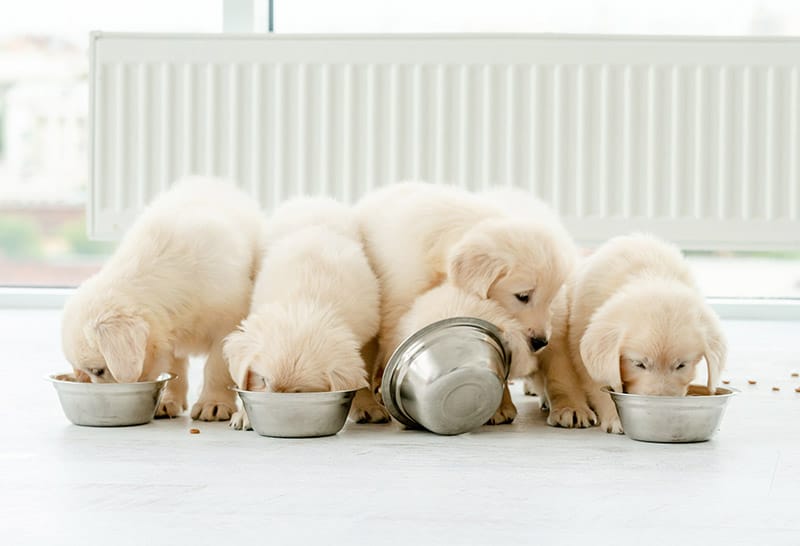
Raising puppies is not for the faint of heart. It’s a tough gig, not unlike raising a newborn baby, but it is extremely gratifying, rewarding, and a whole lot of fun. One of the most important parts of successfully caring for puppies is ensuring their nutritional needs are met. An often-overlooked aspect of creating a dog nutrition plan is determining how often they should be fed.
Read on to learn everything you need to know about feeding timing for your growing pup.

Factors to Consider When Determining Your Puppy’s Feeding Schedule
You must consider two main factors when deciding when and how often to feed your puppy: age and size.
Age
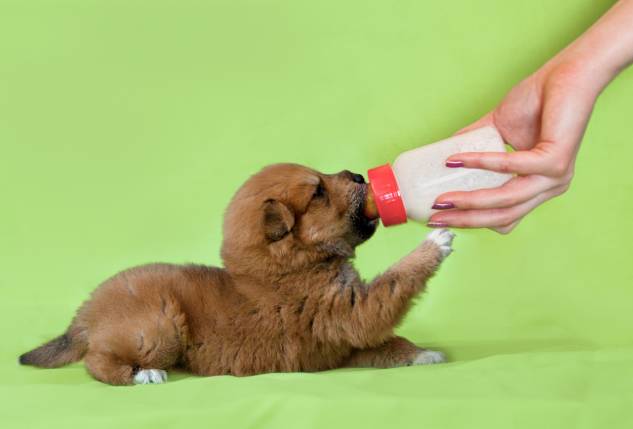
The age of your puppy will be a huge deciding factor in how often they need to eat. Newborns should be allowed to nurse from their mothers as often as mom will allow. If milk is unavailable or insufficient, you must step in to offer bottle feedings to ensure they’re meeting their nutritional needs.
Once the puppy is around four to six weeks old, you can begin transitioning them to puppy food.
Size
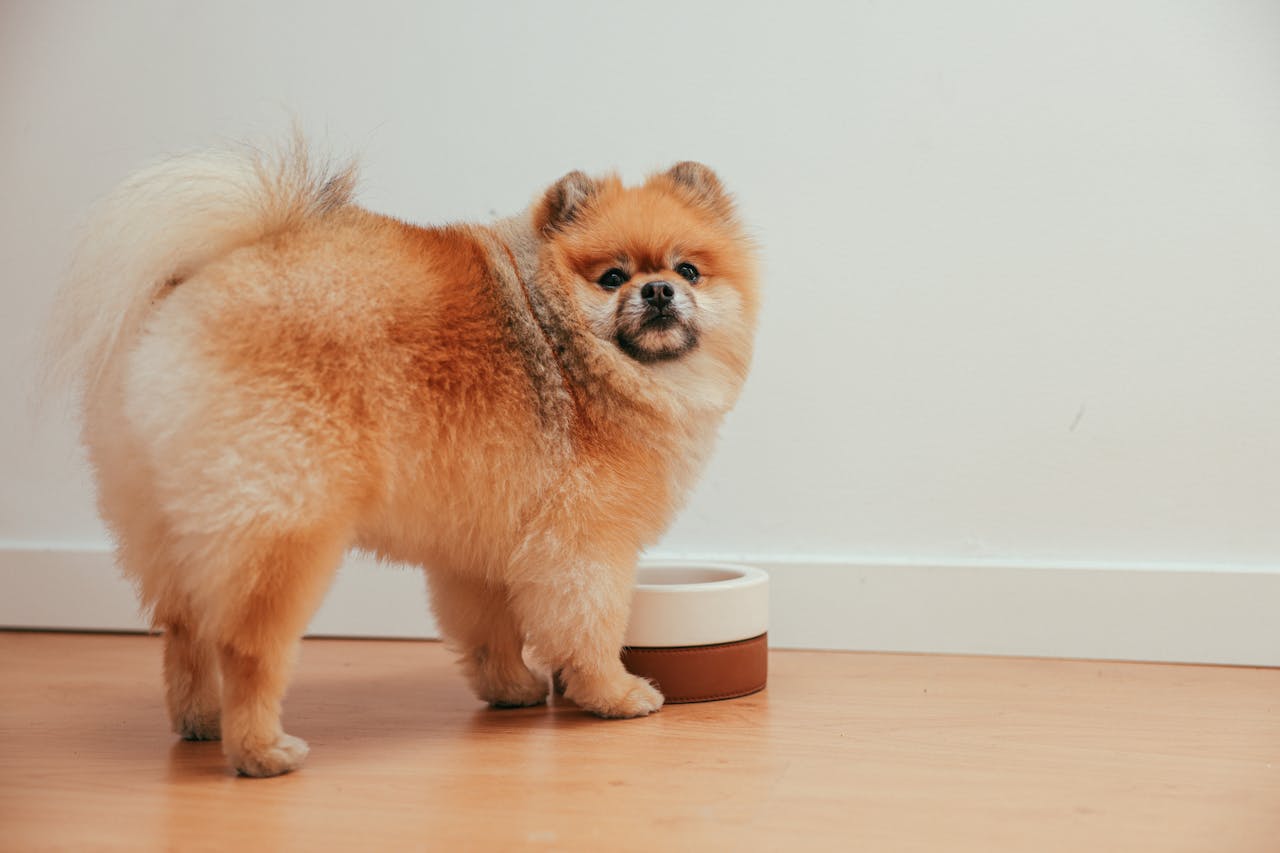
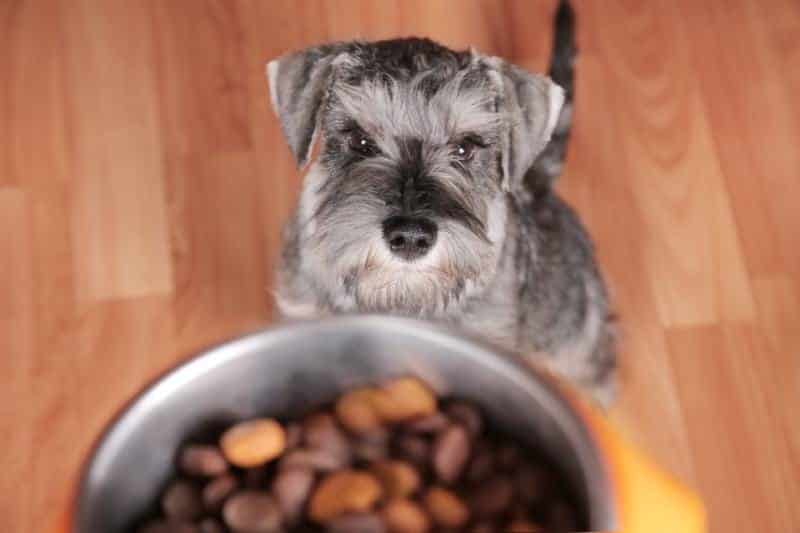
It might be surprising for you to learn that small breeds need to eat more often than their larger counterparts, all down to their tiny stomachs. Toy breeds, like Chihuahuas or Yorkshire Terriers, are particularly prone to developing hypoglycemia if they don’t eat often enough. They’ll need to be fed up to six times daily until they’re around 16 weeks of age to prevent low blood sugar levels. It is recommended to consult your puppy’s feeding schedule with a veterinarian so they can help you craft the perfect plan specifically for your breed.
If you need to speak with a vet but can't get to one, head over to PangoVet. It's our online service where you can talk to a vet online and get the personalized advice you need for your pet — all at an affordable price!

Feeding Puppies Newborn to 4 Weeks
Your puppy’s mother should handle all of your pup’s nutritional needs from the time they’re born until they’re around four weeks old. However, bottle feeding may be necessary in several situations, such as if the puppy is especially large, if there are too many pups in the litter for the mom to feed all equally, or if you’ve committed to adopting a newborn that’s been orphaned. It’s not a simple task, and it requires much patience, preparation, and time.
A logbook is a necessary tool for bottle-feeding puppies. In it, you’ll need to keep track of their weight, milestones, and routines. Weigh the pup every day or two for the first four weeks of their life and then switch to weekly weigh-ins once they’re five weeks old. The goal is to gain 5% of their current body weight daily during those critical first four weeks.
Orphaned pups should be fed every two to four hours. Puppies need a warm environment to eat as they cannot regulate their body temperature on their own until they’re a few weeks old. A cold puppy will not be able to eat or digest food properly, so make sure you have a heat source underneath a blanket in their nesting box.
Commercial puppy milk replacers have instructions regarding how much and how often to feed the pup based on their age and size. They can be used as the sole source of nutrition until your pup is three to four weeks old, at which time you can begin the weaning process. You’ll know they’re ready to start weaning when they start biting or chewing their bottle.
Feeding Puppies 3 to 4 Weeks Old
Puppies can begin eating solid food once they’re around four weeks old, but we don’t recommend immediately stopping bottle feeding or pulling them from their mothers if they’re nursing. You can get them interested in solids by offering them a “gruel”, a mixture of puppy milk replacer, and water-soaked puppy food. You may need to dip your pup’s nose into the mix until they get the hang of lapping at the saucer to eat. Offer this mixture three or four times a day until they begin lapping on their own. At this age, puppies should be closely monitored when they eat, as they can be at risk of aspiration; breathing in their food instead of swallowing it.
Feeding Puppies 4 to 6 Weeks Old
To facilitate the weaning process, separate the puppies from their mothers for a few hours at a time. Offer the gruel mixture while they’re separated. Over the two weeks, continue slowly increasing their food and how long they’re separated from their mother.
If your pup is bottle-fed, encourage them to eat their gruel while slowly cutting back on how many bottle feedings they get.
Feeding Puppies 6 to 12 Weeks Old
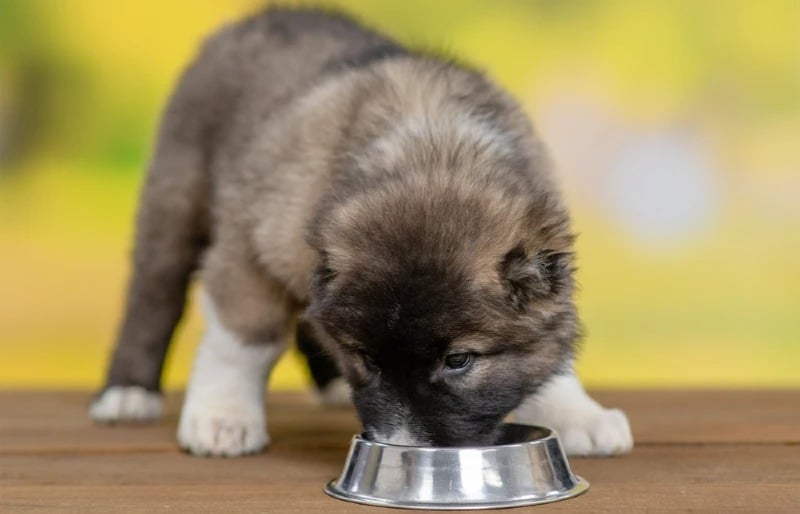
Your puppy should be fully weaned from their mother by around the six- to eight-week mark. However, how often you feed your pet at this age will depend on their size.
Toy breeds need to eat more often as they have very fast metabolisms and very small stomachs. You should feed them four to five meals daily at this life stage. This ensures that they consume everything they need in one day, without getting too full at each feeding.
Small, medium, and large breed puppies should be eating around four meals daily.
Feeding Puppies 12 Weeks to 6 Months Old
In this life stage, your toy breed puppy should be cut back to three to four meals daily. Small and medium breeds can start to have two meals, though you may prefer to stick with three.
If your puppy isn’t managing to get through their whole meal, but is ravenous at their next one, you need to go back a step. For example, if you have reduced their food into three larger meals per day and they aren’t finishing their food, you should go back to four meals a day for a few more weeks.
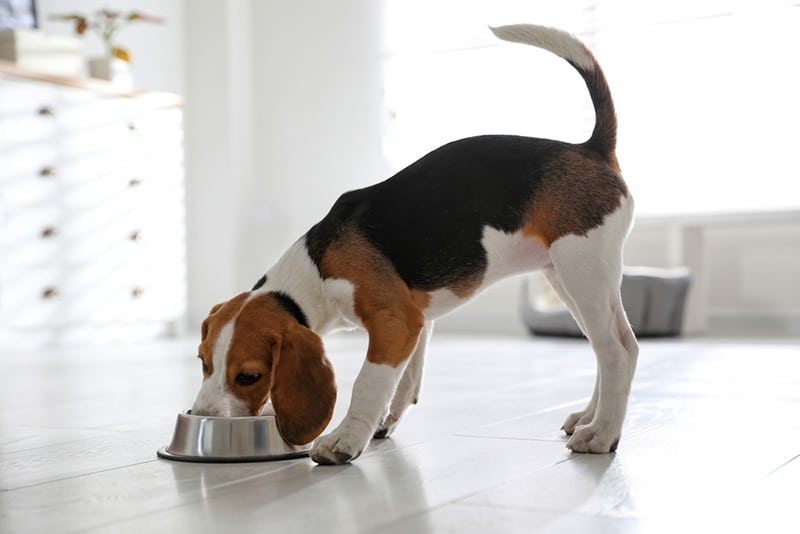
Feeding Puppies 6 to 12 Months Old
Toy breeds should have two or three meals daily, while their small, medium, and large counterparts can be cut back to just two. The goal in this transitional period of your dog’s life is to get them to a point where they’re eating as often as they will be for the rest of their lives.
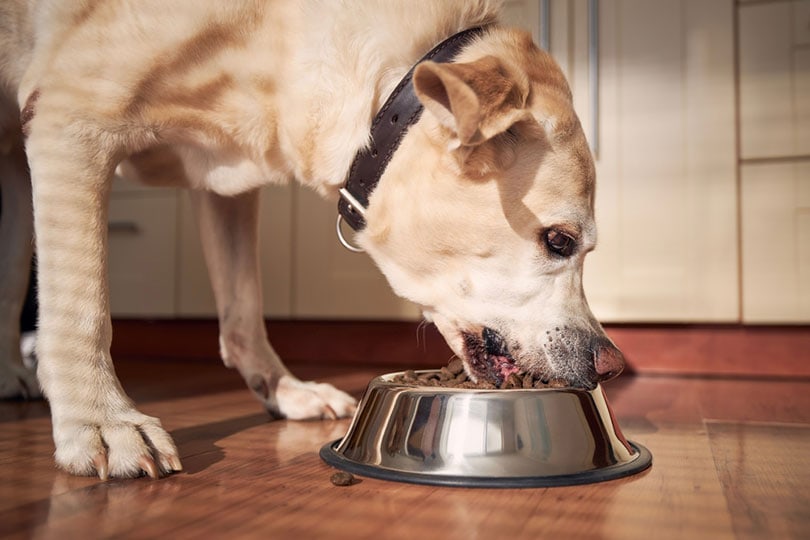
VCA Animal Hospitals recommends that dogs of any size or breed should eat at least two meals every day about 12 hours apart. However, if a breakfast/lunch/dinner routine works better with your schedule, it will work just fine for your pup. You don’t want to go longer than 12 hours between feedings as your pup’s tummy can become hyper-acidic, which may cause reflux and nausea. Even if you dog prefers to eat the majority of their food at one time of the day, still provide them with a small meal or snack at the midway point to prevent this.
Is a Puppy Feeding Routine Necessary?
Dogs are creatures of habit, so establishing a predictable feeding schedule will greatly benefit both you and your pup.
Regular meals will help you house-train your dog, as they generally need to relieve themselves within 15 minutes of eating. When you link a potty break with a meal, you’ll be able to predict when your pup will need to go outside, and your dog will learn to associate their urges to pee and poo with being in an appropriate location.
Adult dogs also reap the benefits of a feeding schedule as they enjoy the security and predictability of a routine. Regular meals can also help them cope if there are sudden changes to their routine, such as the arrival of a new baby. However, it is a good idea to allow some flexibility around their feeding schedule or you may end up with a dog that goes into meltdown if their dinner is five minutes late!
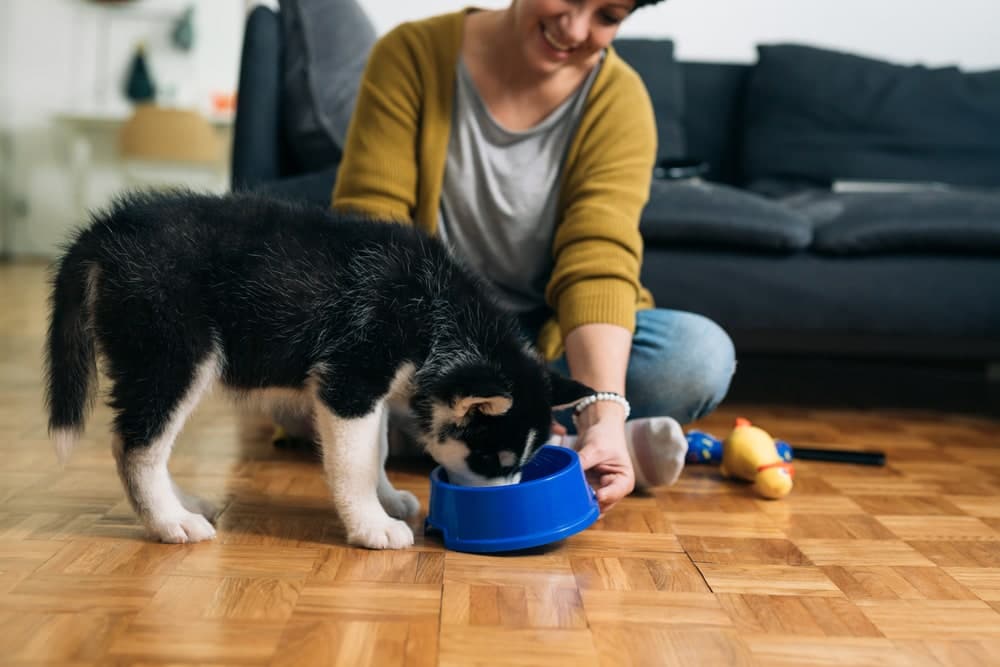
An Example Puppy Feeding Schedule
The best puppy feeding schedule is one that aligns with your weekday routines and can be easily followed on your weekends. It’s best to try to feed them at the same time if possible.
Here is an example puppy feeding schedule for those on a three-meal-a-day diet:
- 6:30 am: Breakfast
- 12:30 pm: Lunch
- 6:30 pm: Dinner
Final Thoughts
How often and how much you feed your puppy will depend on their age and breed size. When you feed your pup will depend on your schedule. It’s best to get into a routine as soon as possible as it will help with training your puppy if they know when to expect their meals (and, subsequently, their potty breaks). By the time your puppy is an adult, they should eat around two meals a day, though three is acceptable if that suits them and you better.
Featured Image Credit: Tatyana Vyc, Shutterstock