In this article
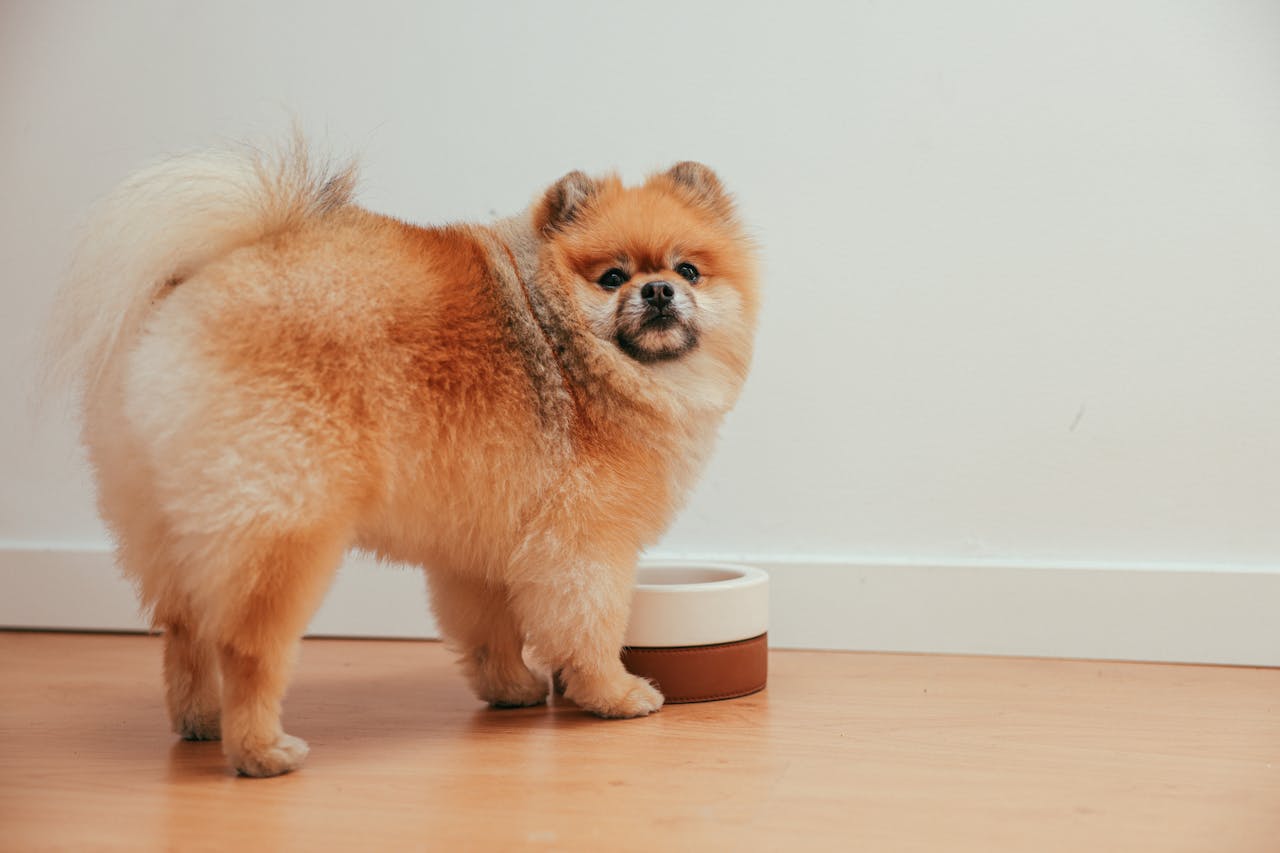
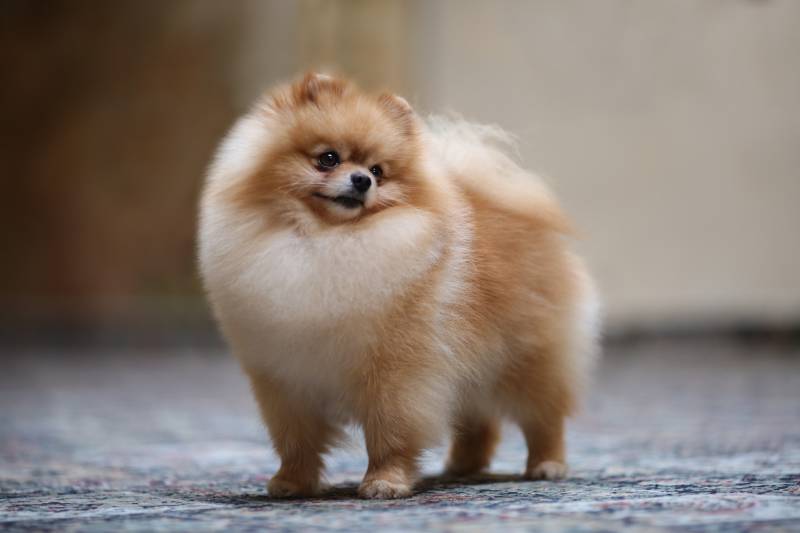
View 8 More +Pomeranians are one of the most beloved toy breeds. These fluffy Spitz-type dogs may be descended from larger breeds, but they’re bred to be teeny tiny, weighing in at just 3 to 7 pounds. Don’t let their small size fool you, though; these pups are full of energy and personality. Could this be the dog breed you’ve been searching for? Read on to learn more.
Breed Overview
Height:
7 – 12 inches
Weight:
3 – 7 pounds
Lifespan:
12 – 16 years
Colors:
Orange, red, sable, black, brown, cream, blue, merle and many others
Suitable for:
Apartment dwellers, active families, people looking for a companion
Temperament:
Friendly, loyal, feisty, extroverted, perky, and affectionate
Pomeranians are pint-sized pups known for their huge personalities and equally huge coats. These fluffy dogs are intelligent and genuinely enjoy learning, so they do quite well with training. They tend to be one-person dogs, meaning they bond particularly tightly with one family member.
Pomeranian Characteristics

Pomeranian Breed Puppies

Pomeranians are a fairly popular dog breed, ranking 22nd on the American Kennel Club’s most popular dog breed list of 2023.1 Since they’re so popular, finding a breeder in your area should be relatively easy.
Pomeranian puppies are much like their adult counterparts, except smaller, if you can imagine that. They’re eager to explore and interact with their surroundings and energetic, intelligent, and infinitely curious.
Temperament & Intelligence of the Pomeranian 🧠
Pomeranians are loyal, playful, and feisty, with the personality of a much bigger dog. These extroverted pups are fun and affectionate, which makes them a fantastic fit for families, and their small, compact size is suitable for apartment living. It’s not uncommon for Poms to slide into the role of watchdog, and they’re definitely not shy about using their voice, however. This is important for potential owners to know, as excessive barking may be a nuisance for folks living in shared dwellings.
Pomeranians are high-energy little pups that don’t let their small size define them. They have a larger-than-life personality and aren’t particularly fond of being coddled. They’d much prefer to walk on their own feet than be carried around.
These happy-go-lucky pups are fun to be around and love getting attention. Some Poms are independent, but they can develop strong attachments to one particular person in the family.
Are These Dogs Good for Families?👪
Pomeranians are highly affectionate companion pets, making them a great choice for families. They generally get along well with children, though you might consider waiting until your kids are a little older before bringing a fragile toy breed into the home. Poms are very small, so rough play or dropping can cause severe injuries and even broken bones.
Additionally, these dogs can be feisty at times and may be quick to react to rough play, so you’ll want to keep a close eye on your children until they’re old enough to respect your dog’s boundaries.

Does This Breed Get Along With Other Pets?🐶 😽
Pomeranians can get along great with other household pets, especially those that are similar in size. That’s not to say you cannot successfully keep larger pets, though caution should be used to ensure the bigger animal doesn’t inadvertently injure the much smaller Pom. To increase the chances of intermingling your Pom with other household pets, it’s important to ensure they’ve been properly socialized and are undergoing training.
Things to Know When Owning a Pomeranian
Food & Diet Requirements🦴
According to PetMD, hypoglycemia (low blood sugar) is relatively common in toy breeds like Pomeranians. With this in mind, you’ll want to feed a high-quality dog food to ensure your pup is getting the right amount of nutrients to support their overall health.
Though Poms may be small, they actually require meals more often than their larger counterparts due to their faster metabolism. Adult and senior Poms should eat at least two, preferably three, times daily to reduce their risk of hypoglycemia.
How much you feed your Pom will depend on several factors, including their age, activity level, and overall health status. Your veterinarian will be your best point of contact for determining how much your pet needs based on lifestyle.
Exercise🐕
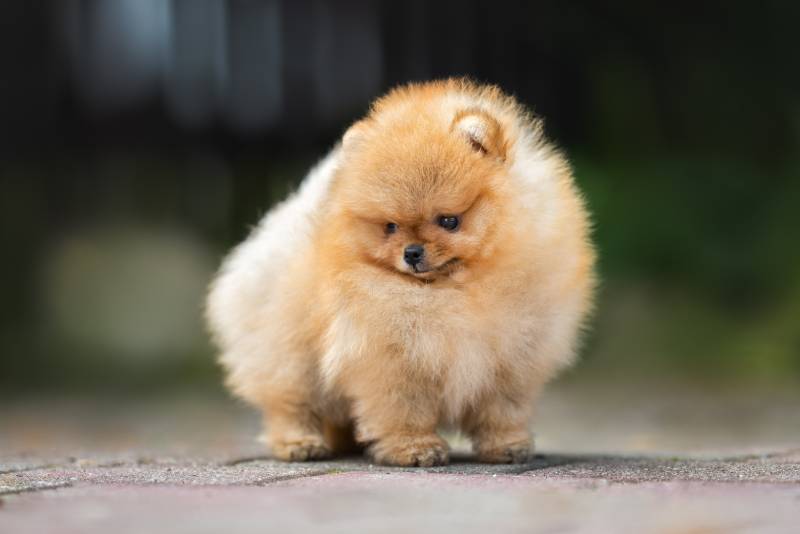
Though Pomeranians are small dogs, they can make for active companions. Poms need a moderate amount of exercise, anywhere between 30 to 60 minutes daily. You may find that taking two 15-minute walks daily is exactly what your Pom requires to stay happy, healthy, and engaged in their activity. It is important to be mindful of your pup’s small size and to avoid excessively strenuous activities as well as constant high jumps that could impact their delicate bones and joints.
Training🎾
Pomeranians generally take well to training, especially if it involves clicker training and a lot of praise. They are pretty fast learners, though how fast they’ll be trained will depend on your consistency and how many learning opportunities you provide.
These intelligent little pups are highly alert and genuinely enjoy learning, making your job as a trainer relatively easy. They can make great show dogs, too, thanks to their good behavior and eagerness to please.

Grooming✂️
With those big, fluffy coats, it shouldn’t be surprising to learn that Pomeranians have a pretty demanding grooming regimen. Their double coat is very thick and dense, which can be challenging to groom at home without the proper tools. Routine trips to a professional groomer are usually recommended to help your pup keep their coat looking shiny and healthy. Your groomer will do a “sanitary shave” as part of their services, removing the hair around the genital region to ensure bodily wastes don’t accumulate in the fur.
You should expect to brush your dog’s coat at least once weekly (preferably more, however) between professional grooms. Expect to brush them daily during the shedding seasons.
Pomeranians sometimes experience excessive tearing, so you may need to clean their eyes of debris daily with a clean cotton ball and eye wash solution.
Health and Conditions🏥
While Pomeranians are generally healthy, they may be more at risk of developing certain health conditions than other breeds.
Hypoglycemia is marked by a sudden drop in blood sugar. It’s most commonly seen in small breed dogs and puppies under 3 months. Low glucose levels can be extremely dangerous in dogs and require prompt treatment.
Pomeranians may be prone to developing eye conditions like keratoconjunctivitis sicca (KCS, also known as dry eye), tear duct issues (like excessive tearing), and cataracts.
As with many other small breeds, Poms may develop tracheal collapse. This potentially serious condition is marked by a persistent, dry cough that’s sometimes described as a “goose hunt.” Though there is no cure, medical management can help improve your pup’s clinical signs.
Poms may be at risk of orthopedic conditions such as patellar luxation and Legg-Calvé-Perthes disease. The former is a condition that ranges from mild to severe and is noted by an abnormally shifting kneecap. The latter is a hereditary condition in small breeds like Pomeranians. It causes hip pain and lameness and can be quite painful. The most common treatment for Legg- Calvé-Perthes disease is femoral head ostectomy, a surgery to remove the femoral head.
- Eye conditions
- Dental diseases
- Hypoglycemia
- Orthopedic conditions
- Tracheal collapse
Male vs Female
There is no physical difference between male and female Pomeranians. Unofficial versions of this breed may come in different sizes, but the AKC only recognizes one Pomeranian breed.
As for personality traits, there are no studies that suggest major temperate differences based solely on sex. Some owners will tell you that their males were sassy and protective and their females were sweet and goofy, while others will tell you the exact opposite. However, there are more differences between individual dogs than between males and females.
3 Little-Known Facts About the Pomeranian
1. Pomeranians used to be much larger.
The Poms we know and love today are typically between 6 and 7 inches and tip the scales at less than 7 pounds. But before they were bred down in size by Queen Victoria, Pomeranians used to weigh as much as 30 pounds.
2. Pomeranians can change color.
It is not uncommon for a Pomeranian puppy to change coat color during the first year of life. A cream-colored puppy might end up brown and white. It’s impossible to know which puppies will change color and what color they’ll wind up being, so it’s best not to get too attached to your dog’s coat coloration.
3. Pomeranian puppies go through a phase known as the “puppy uglies”.
When they’re around 4 to 6 months, most Poms can enter a stage known as the “puppy uglies” marked by their soft puppy coat falling out. The two-layered adult coat will eventually replace it, which they’ll have for most of their life, but not before going through an odd and scraggly phase.
Final Thoughts
Pomeranians are affectionate and sweet little pups with a lot to offer their human family members. They’re extroverted, funny, and always on high alert, which makes them great watchdogs. Because they’re so small, they do well in apartment-like dwellings, as long as your soundproofing is good or you don’t have any noise-sensitive neighbors.
Don’t let their size trick you, though; Pomeranians are small, and their bark is mighty and constant at times. They think they’re bigger than they are, which can be hilarious and endearing but may get them into trouble at the dog park.
Pomeranians make great family pets, though they do tend to be one-person dogs. It’s best to wait until your children are a bit older before bringing a Pom into the family, however, as they are small and fragile and may get nippy if exposed to any type of rough play.
- You might also be interested in: Fox Face Pomeranian: Info, Pictures, Origin & History
Featured Image Credit: SubertT, Shutterstock