In this article
View 8 More +Bulldogs, with their unmistakable wrinkled face, sturdy build, and unique charm, have captured the hearts of dog lovers worldwide. Originating from England, Bulldogs have a rich history and distinct traits that make them beloved companions and iconic symbols. Read along as we delve into the world of Bulldogs, exploring their history, characteristics, care needs, and the special bond they share with their human families.
Breed Overview
Height:
14 – 15 inches
Weight:
Males: 50 – 55 lbs; females: 40 – 50 lbs
Lifespan:
8 – 10 years
Colors:
Various, including brindle, white, fawn, red, and piebald
Suitable for:
Experienced dog owners, single people, households (older children)
Temperament:
Affectionate, courageous, loyal, loving, friendly
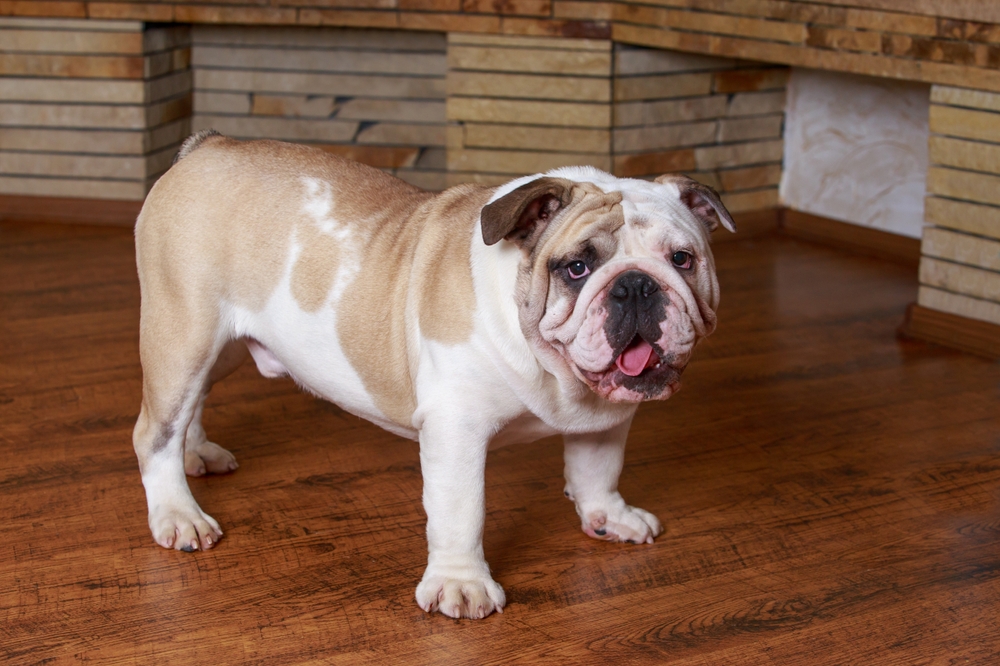
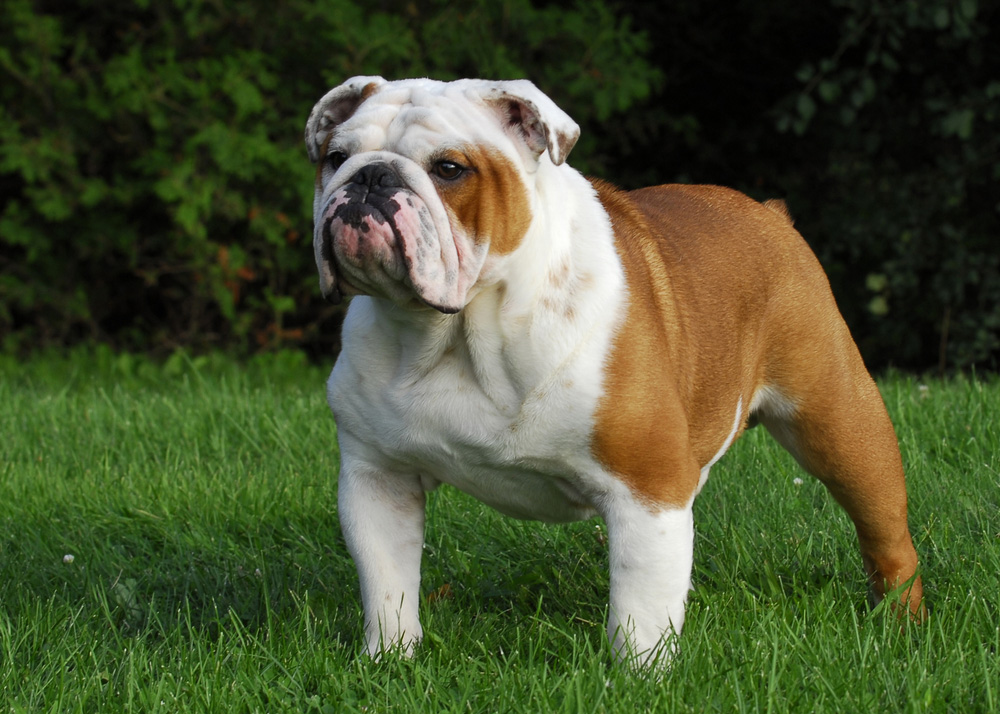
Bulldogs are easily recognizable by their distinctive appearance. They have a sturdy, muscular build with a broad chest and strong limbs, giving them a powerful yet compact physique. Their iconic wrinkled face, pushed-in nose (brachycephalic), and expressive, droopy (and drooly!) jowls lend them a charming and sometimes comical expression. Bulldogs typically have a smooth, short coat in various colors, including brindle, white, fawn, red, and piebald.
Bulldog Characteristics

Bulldog Puppies
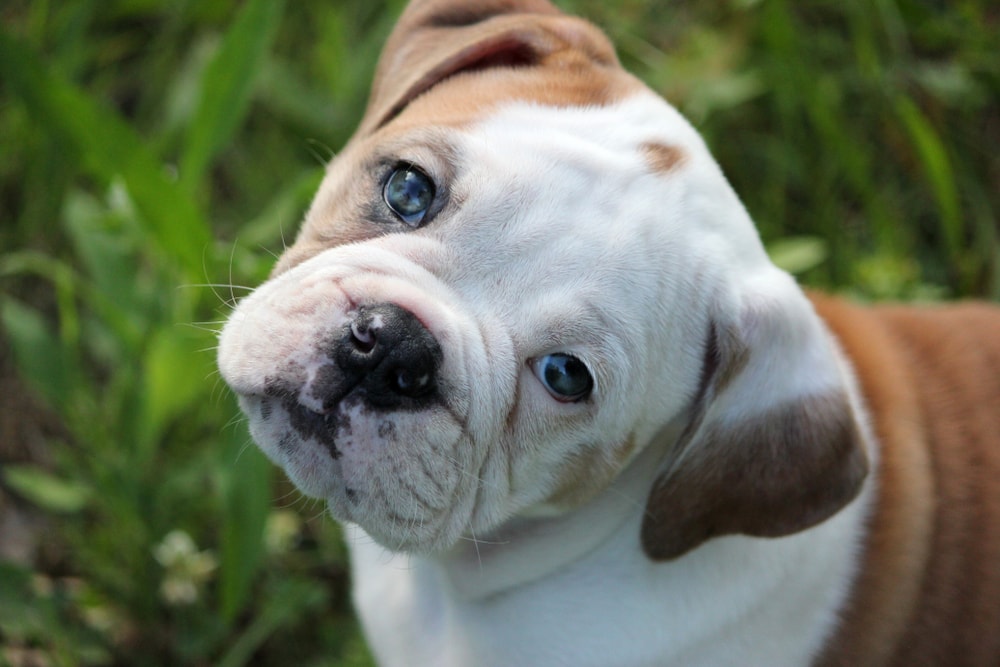
Bulldog puppies are adorable bundles of boundless curiosity and energy. They are very playful, tiring themselves out enough to take many naps during the day. If you are interested in purebred Bulldog puppies, you must consult a reputable, ethical Bulldog breeder or a rescue organization focused on Bulldogs.
Bulldog Origin & History
The history of Bulldogs dates back centuries; they even have ties to ancient Greece and Rome. Originally bred for bull-baiting, a horrific sport involving dogs attacking bulls, Bulldogs were prized for their muscular strength, tenacious spirit, and courage. However, when bull-baiting was outlawed in the 19th century, Bulldogs faced vastly reduced numbers. Fortunately, dedicated breeders intervened, transforming Bulldogs into the gentle, affectionate companions we know today.

Temperament & Intelligence of the Bulldog 🧠
Despite their intimidating appearance, Bulldogs possess a gentle and affectionate temperament. They are known for their loyal and loving nature and form strong bonds with their families. Bulldogs are social animals who thrive on companionship and are often referred to as “lap dogs” (despite their size!) due to their love of cuddling. While they can be courageous and protective when necessary, Bulldogs are generally friendly and approachable, making them excellent family pets.
Are Bulldogs Good for Families? 🏡
Bulldogs can make wonderful family pets under the right circumstances. They are known for their loving, gentle, and loyal nature, positive traits which can make them wonderful companions for families. Their sweet disposition usually extends to children, and they can form strong bonds with human family members, including children. Bulldogs usually have a calm demeanor indoors. However, it’s essential to supervise interactions between Bulldogs and young children, as with any dog, to ensure both the dog and the child are comfortable and safe.
Does This Breed Get Along With Other Pets? 🐶 😽
In general, Bulldogs tend to be sociable dogs and can get along well with other pets, including cats and other breeds of dogs, particularly if they are introduced to them at a young age. However, Bulldogs have a strong prey drive, so it’s essential to supervise interactions with smaller pets like rabbits, guinea pigs, or birds. Additionally, Bulldogs may display dominant behavior, especially towards dogs of the same sex, so proper introductions and monitoring are crucial when introducing them to new canine buddies.

Things to Know When Owning a Bulldog
Food & Diet Requirements 🦴
A well-balanced diet is essential for maintaining the health and vitality of Bulldogs. Due to their tendency to gain weight easily, monitoring their food intake and providing them with a nutritionally balanced diet tailored to their age, size, and activity level is important. Avoid overfeeding and opt for a high-quality dog food that meets their nutritional needs. Additionally, since Bulldogs are prone to gas and digestive issues, feeding them smaller, frequent meals can help prevent discomfort (and tummy rumbles and odors!).
Exercise 🐕
Despite their muscular build, Bulldogs are not overly active dogs and prefer leisurely activities. Short daily walks, play sessions, and interactive games can help keep Bulldogs physically and mentally stimulated. However, avoiding excessive exercise, especially in hot or humid weather, is essential to prevent overheating and respiratory distress. Supervised outdoor time in a secure, shaded area allows Bulldogs to safely explore and enjoy the fresh air.
Training 🦮
Bulldogs have a reputation for being stubborn, which can present challenges during training. However, with patience, consistency, and positive reinforcement techniques, Bulldogs can be trained effectively. Early socialization is crucial to help Bulldogs develop good manners and interact positively with people and other animals. Exposing them to various experiences and environments from a young age can help prevent shyness or aggression. Bulldogs love to chew, so be sure to provide them with a variety of toys designed to stay tough.
Grooming and Health Care ✂️
Regular grooming, including brushing their short coat and cleaning their facial wrinkles, helps keep Bulldogs clean and comfortable. Here are some specific guidelines for keeping your Bulldog clean and well-groomed.
- Brushing: Bulldogs have very short coats, but they still shed. Regular brushing helps remove any loose hair and prevents matting. Use a soft-bristle brush or a rubber grooming glove to brush your sweetie’s coat once or twice a week.
- Bathing: Bulldogs don’t need frequent baths unless they get especially dirty or smelly after a romp outside. Use a gentle dog shampoo and warm water to keep your dog comfy. Be sure to rinse thoroughly to avoid skin irritation from leftover product residue. Be extra mindful not to get water in their nose and ears, as Bulldogs are prone to infections in these areas (read more about this in #4).
- Wrinkle Care: Bulldogs are known for their adorable facial wrinkles, but they can often cause problems. Use a damp cloth to clean gently between their wrinkles, especially around the nose and mouth. Dry the wrinkles thoroughly to prevent skin infections.
- Ear Care: Bulldogs’ ears can easily accumulate dirt and wax; this build-up can cause infections. Use a veterinarian-approved ear-cleaning solution and cotton balls to gently wipe the inside of the ears. Avoid using cotton swabs: they can push debris further into the ear canal and cause even bigger problems.
- Nail Trimming: Regular nail trimming is essential to prevent overgrowth, which can lead to discomfort/pain and difficulty walking. Use clippers designed for a dog’s nails and trim the nails carefully, avoiding the quick (the pink part of the nail, which contains blood vessels and nerves). If you’re unsure about where the quick is, ask your veterinarian or a professional groomer for guidance.
- Dental Care: Bulldogs are prone to dental issues, so dental hygiene is crucial to keep your dog healthy and happy. Brush your Bulldog’s teeth regularly using a dog-specific toothbrush and toothpaste. Dental chews and toys can also help maintain oral health (and keep them from getting bored and chewing on items in your home).
- Eye Care: Bulldogs can be prone to eye problems due to their unique facial structure. Keep the area around their eyes clean and dry to prevent infections. Use a damp cloth to gently wipe away any discharge or debris. If discharge and debris occur frequently, consult with your veterinarian.
- Skin Care: Bulldogs may experience skin issues like allergies or irritation. Monitor their skin for any redness, itching, or unusual lumps, and check with your veterinarian if you notice any concerns.
Health Conditions ❤️
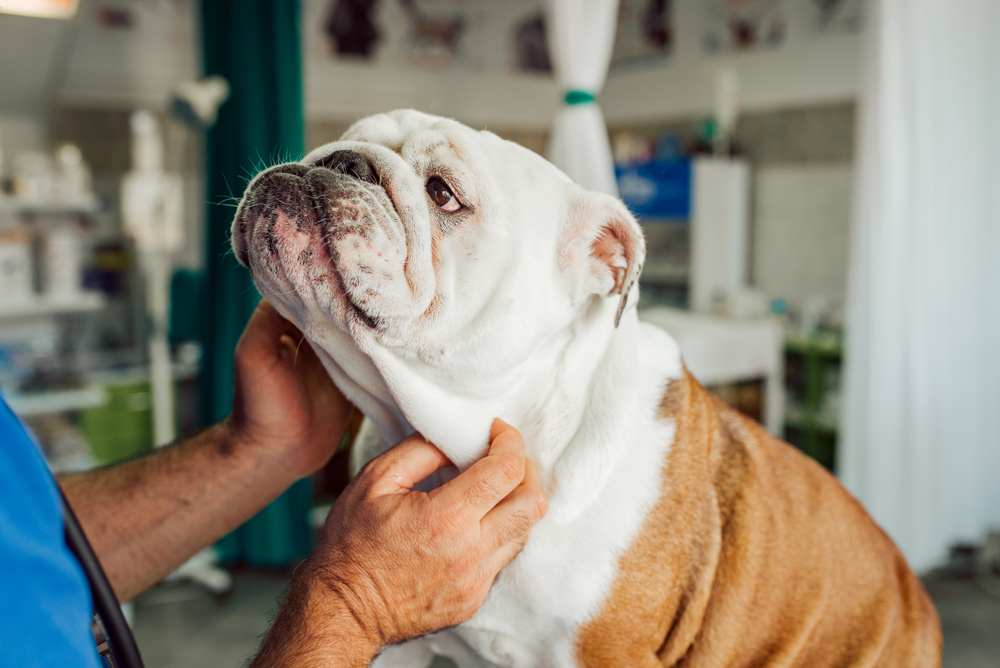
Like all dog breeds, Bulldogs are susceptible to certain health conditions that potential owners should be aware of. Common health issues in Bulldogs include brachycephalic airway syndrome, hip dysplasia, skin allergies, and joint problems. Regular veterinary check-ups, proper grooming, and a healthy lifestyle can help minimize the risk of these health issues and ensure the overall well-being of Bulldogs.
- Skin irritation
- Eye disorders
- Joint problems
- Brachycephalic airway syndrome
- Canine hip dysplasia
- Thyroid issues
- Heart disease
- Cancer
Male vs Female
Male Bulldogs are considered more outgoing, stubborn, and more prone to displaying dominant behavior. Females are considered more affectionate, eager to please, and easier to train. Male Bulldogs are slightly bigger and more muscular than females. Despite possible differences in personality, both male and female Bulldogs make wonderful companions.
3 Little-Known Facts About the Bulldog
1. Presidents Love Bulldogs
Presidents Warren Harding and Calvin Coolidge each owned a Bulldog. Harding’s Bulldog was named “Oh, Boy!” and was given the official title of First Dog while he was in office. Coolidge’s Bulldog was named “Boston Beans.”
2. They Are a Popular Mascot
There are 49 universities and colleges in the U.S. that have Bulldogs as their mascot, including Georgetown University and Yale University. Bulldogs are known for toughness and courage, making them an ideal mascot.
3. Bulldogs Are Record Breakers
In 2015, a Bulldog named “Otto” became famous for his unusual ability to skateboard. Otto rolled on through the legs of 30 people, setting a world record. Otto’s owners got a Bulldog after they watched videos of another Bulldog world-record holder: Tillman, the fastest skateboarding canine.
Conclusion
Bulldogs embody a unique blend of strength, loyalty, and affection that has endeared them to countless families around the world. Despite their challenging history, Bulldogs have emerged as beloved companions cherished for their gentle nature and unwavering devotion. By understanding the Bulldog’s characteristics, history, care needs, and temperament, prospective owners can provide Bulldogs with the love, care, and attention they deserve, fostering a fulfilling and lasting bond for years to come.
- You might also like: Fascinating English Bulldog Facts to Know
Featured Image Credit: AndreiTobosaru, Shutterstock