In this article
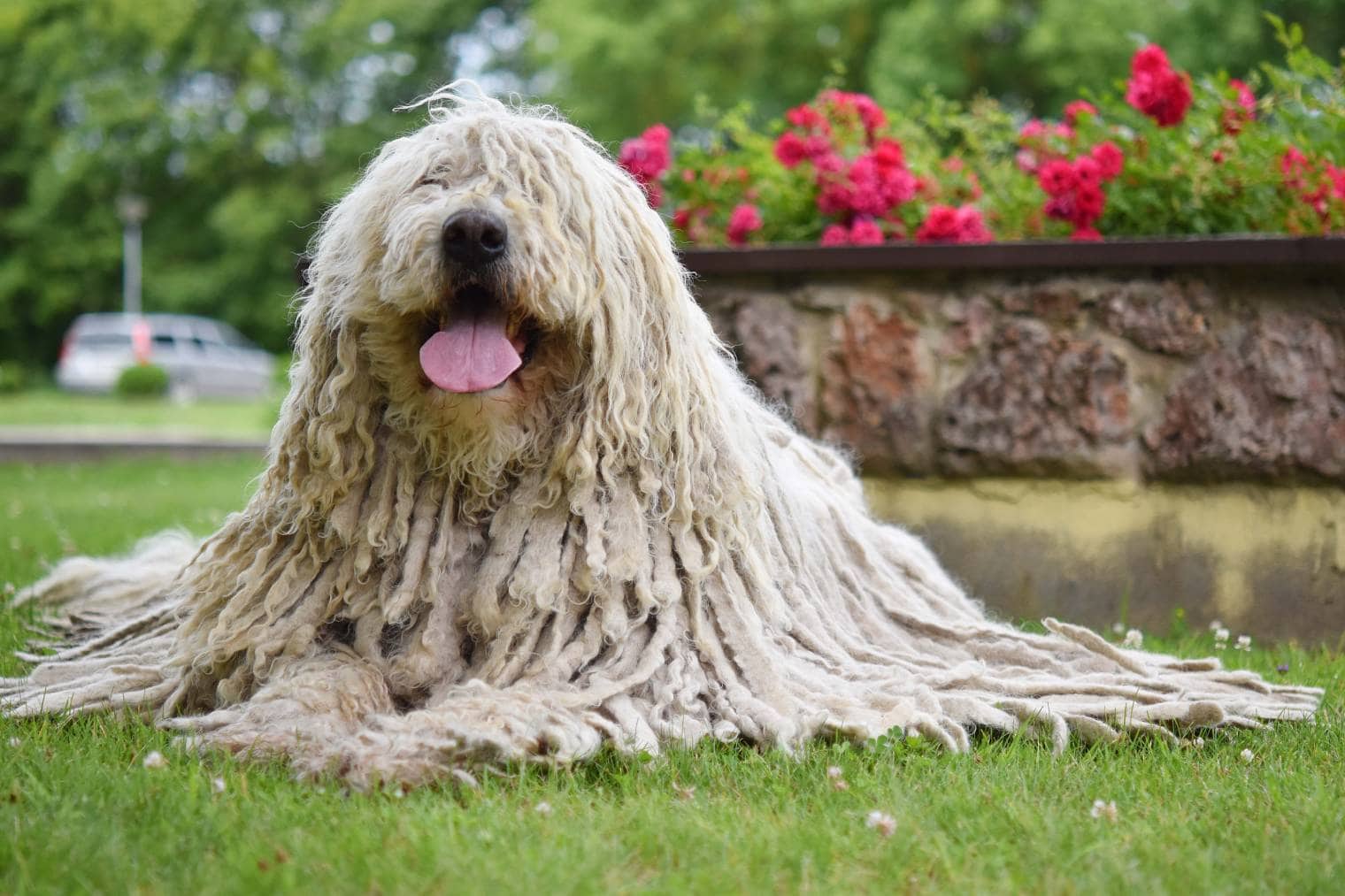
View 8 More +The Komondor is an ancient and regal livestock protection dog. These dogs are known for their iconic coat that looks like the head of a traditional mop. These dogs trace their lineage back to Hungary to a nomadic people largely lost to history. Today, these dogs are still prized for their coat, their demeanor, and their history.
Breed Overview
Height:
25–28 inches
Weight:
80–100+ pounds
Lifespan:
10–12 years
Colors:
White
Suitable for:
Active families, those looking for a low-shedding dog
Temperament:
Loyal & loving, intelligent, easy to train, friendly, gets along with other pets
In addition to their unique coat, Komondorok (the plural form of Komondor) are known for their bravery and size. These dogs have been known to scare off predators that could normally handle other lesser dogs. The Komondor’s job was to protect sheep and shepherds from threats, and therefore, they are often deeply connected to their owner. These dogs do best with a job, and they are suited for long hours spent outdoors in all sorts of conditions.
Komondor Characteristics

Komondor Puppies
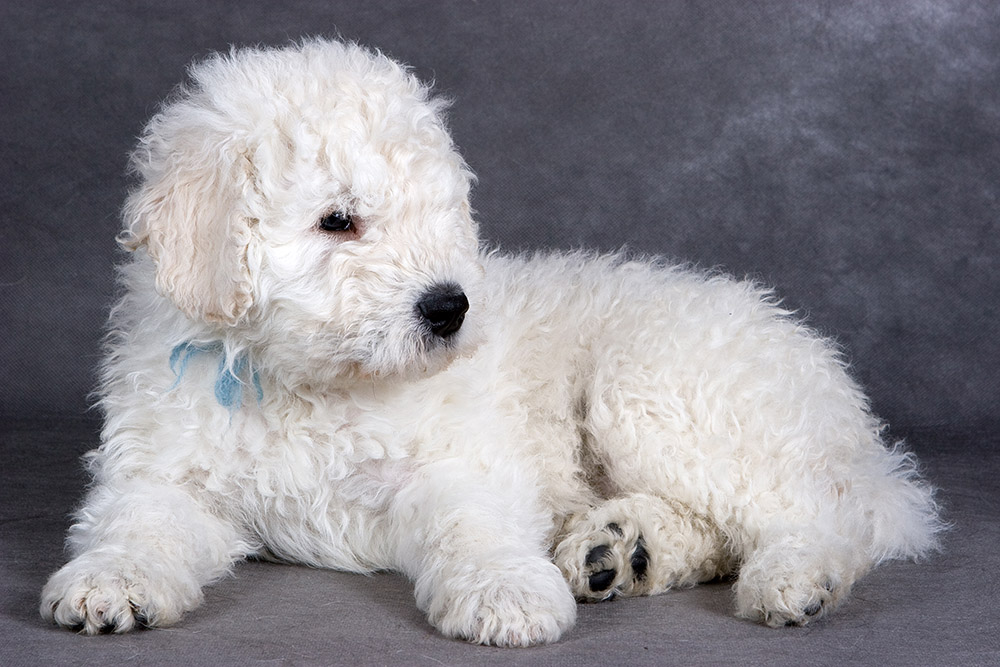
If you want a Komondor puppy, you will need to source it from a reputable breeder. Komondorok are not very common in North America, but there are still a small number of registered breeders to look into. You are very unlikely to find a Komondor puppy by accident. Komondorok are interesting puppies. They grow quickly. They shoot up in size and grow their iconic coat. Their coat will need special care when the dog is young to ensure that the coat forms properly and grows in a way that makes it manageable when they are older.
Komondor Origin & History
The name Komondor is derived from the ancient name for the Cumans. Cumans were nomadic herders who moved into Hungary during the Medieval Period. These nomadic herders were displaced by the Mongols and sought shelter among the Christian farmers of Hungary. Cumans brought their dogs with them, and these early shepherd dogs were the earliest examples of the Hungarian Komondor. The Komondor has lived in Hungary for centuries, stretching back to the 13th and 14th centuries. Today, the Komondor is a purebred dog recognized by the American Kennel Club. They are still very popular in the plains of Central Hungary, where they settled down hundreds of years ago.
Temperament & Intelligence of the Komondor
Komondorok are alert, loyal, and protective. These dogs are known for their bravery and independence. They were bred to accompany shepherds out in the wild, and they have been known to stare down wolves, chase off predators, and protect their owners from other people. Komondorok bond strongly with their immediate owners but can be wary of other people and other animals. When they are well trained, these dogs are very loving and predictable, but the training process can be tough for inexperienced dog owners. Komondorok were bred to spend long days outside alongside sheep and shepherds which can make them ill-suited for a modern suburban home.
Are These Dogs Good for Families? 👪
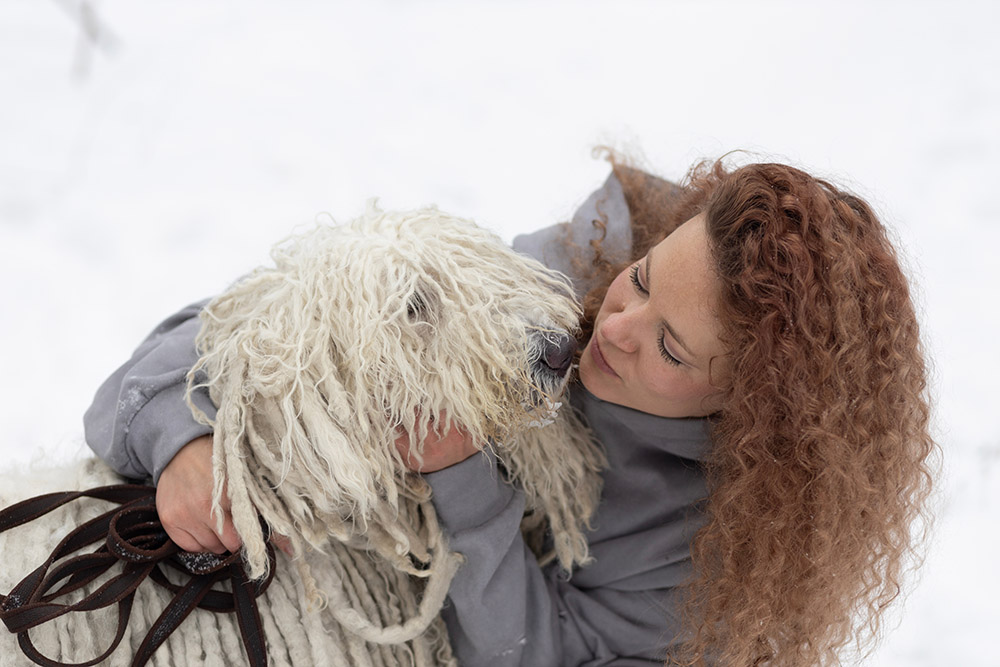
Sometimes. Komondorok bonds strongly to one or two owners. As livestock guardians, these dogs were bred to bond with one person, typically their shepherd. These dogs will be loyal, alert, and protective of this person but might not get along well with others. Komondorok also have a so-so reputation with children, especially small ones. These dogs will likely do fine in families with older children, but due to their size and protective nature, they might not get along well with young children or babies. That is something to consider because a Komondor can be very large, which can potentially make them dangerous to small children.
Does This Breed Get Along With Other Pets? 🐶 😽
Sometimes. Komondorok were bred to be livestock protection dogs, which means that they can be aggressive toward other animals that they see as a threat. Komondorok might not get along with other animals, especially if they are brought into the home after the Komondor is already established. Some Komondorok will do just fine with other animals, but many times, they will be wary or aggressive toward animals that they do not like or see as a threat to their humans or territory.
Things to Know When Owning a Komondor
Food & Diet Requirements 🦴
Komondorok eat less than most owners expect. This can lead to overfeeding when owners think that their dog is not getting enough to eat. It is not uncommon for Komondorok to skip a meal if they are not feeling it. Breeders often report that food with high protein content can lead to skin allergies and hotspots, which can be problematic for some individuals. You should feed your Komondor based on their needs and avoid high protein diets. That also means avoiding table scraps, as giving your Komondor meat from the table can increase their protein consumption. A Komondor should get the vast majority of their nutrients from well formulated dry food.
Exercise 🐕
Komondorok are not lazy. They are very powerful and agile. While they don’t have a strong need for high intensity exercise, these dogs were bred to spend long hours standing, walking, and loping outside in fields and pastures. Therefore, these dogs need ample outdoor space to run and play. Fenced yards or a spot on a working farm are heavily encouraged. Komondorok often do poorly at dog parks. Their size and demeanor can cause them to go after other dogs that they see as a threat. They are extremely protective, and this can cause them to misbehave and cause problems for other dog owners. That is why your own outdoor space is necessary for a happy, healthy Komondor.
Training 🎾
Training is absolutely imperative for Komondorok. Due to their size, Komondorok need to be under strict voice control, and they need to undergo extensive socialization when they are young. These dogs are typically eager to please, and they do well with their owners. However, they can be possessive, protective, and aggressive toward others, which is why training is so critical. It can be hard to control a Komondor that has its guard up. An untrained Komondor can be dangerous and even deadly in the wrong situation. Training must be a heavy focus for Komondor owners, and owners must be willing to put in weeks, or even months, of consistent training and socialization for the best results.
Grooming ✂️
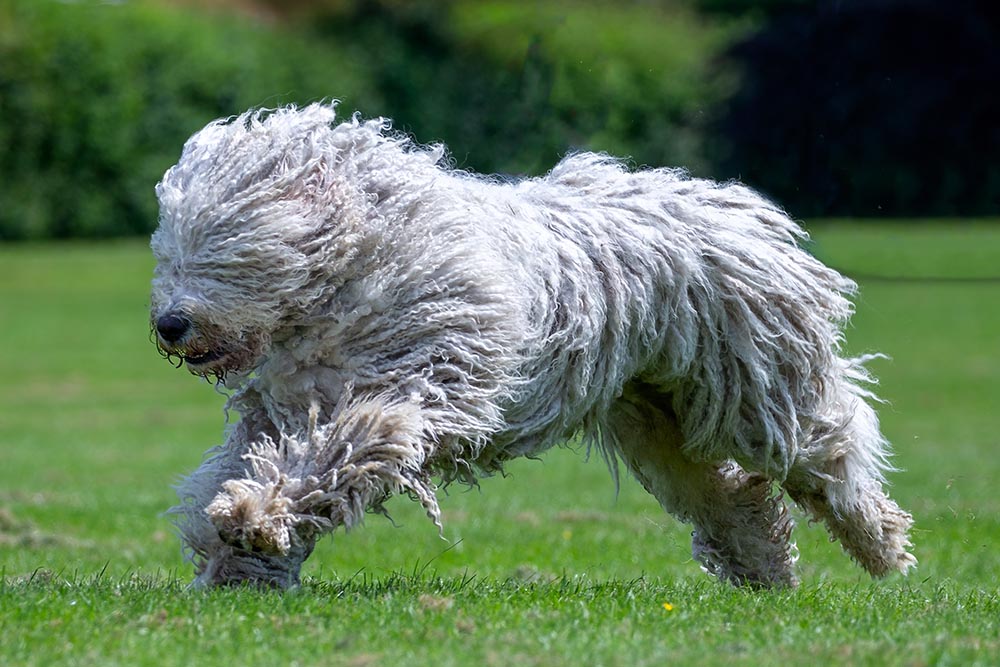
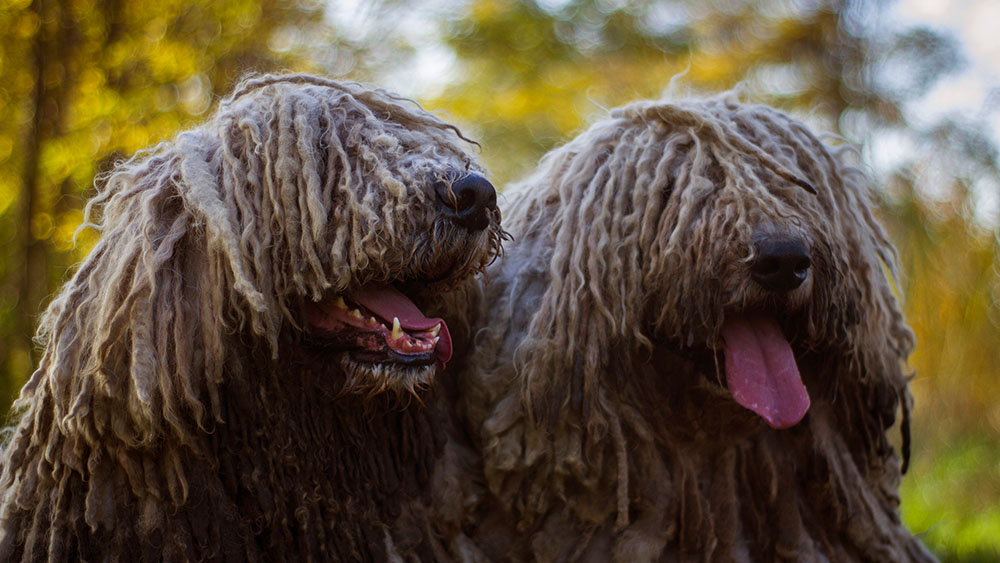
Komondorok require extremely intensive grooming regimens to keep them looking and feeling their best. These dogs have a unique corded coat that resembles dreadlocks in humans. These cords need to be split when they thicken to prevent matting. These dogs should not be brushed. Instead, cords need to be bathed regularly and split when the time is right. Many Komondorok will need frequent trips to a professional groomer who knows how to handle their coats. Even baths are different for these dogs. Bathtime requires special diluted shampoo and intensive rinsing to ensure all shampoo is gone. The dogs then need to be thoroughly dried before they can finish their bath.
Komondorok also need regular ear checks to prevent dirt and debris from getting trapped in the ear canal, causing infection. Coat care and ear care are done in addition to standard grooming things such as nail trims.
Health and Conditions 🏥
The most serious health condition that owners of the Komondor need to be aware of is bloat. Bloat is a potentially fatal condition that affects most large dogs and deep chested dogs. Komondorok can inhale too much air into the stomach when they eat, causing the stomach to blow up and potentially flip over or twist on itself. This is a medical emergency that can kill within an hour if it is not treated properly. Go over the signs of bloat with your veterinarian so you know what to look for to ensure that it can be treated promptly if it occurs.
In addition to bloat, Komondorok are also prone to crippling dysplasia of the hips and elbows. Responsible breeders should certify that they have screened for dysplasia. Since Komondorok are so large, they can become severely debilitated by untreated dysplasia, especially as they age.
Lastly, these dogs are prone to eye issues such as cataracts and skin conditions. If you do not keep up with proper grooming, Komondorok can become itchy, develop hot spots, and develop skin allergies, which can lead to persistent skin irritation.
Komondorok have a slightly above average lifespan for dogs of this size. Many dogs manage to maintain their health until they reach senior age.
- Eye problems
- Skin issues
- Bloat
- Hip Dysplasia
- Elbow Dysplasia

Male vs Female
There are some significant differences between male and female Komondorok. Male Komondorok are much larger than females. Males can weigh 20 to 30 pounds more than females and stand 3 inches taller or more. Males are also more muscular and powerful than females. Males can be more aggressive and defensive than females. If you want a large powerful dog with a strong protective instinct, you will want to look at a male. If you want a smaller and calmer Komondor, you will want to consider getting a female.
Komondor Size Differences
| Height | Weight | |
| Male | 27–29 inches | 90–110 pounds |
| Female | 25–27 inches | 80–90 pounds |
3 Little-Known Facts About the Komondor
1. Komondorok Is the Plural of Komondor
You may have noticed the use of the word Komondorok in this article. That is because Komondorok is actually the correct plural form of the word Komondor. The name is Hungarian and therefore the proper plural usage of the name is Komondorok per Hungarian grammatical rules.
2. Komondorok Can Take on Wolves
Komondorok are large enough and brave enough to stare down wolves. As sheep dogs, keeping wolves away is a vital part of the job, and Komondorok are uniquely suited for the job. These dogs are intimidating and powerful, and they are often enough to scare off lone wolves looking for an easy meal of sheep. Not many other dogs, even herding or sheepdogs, can say the same.
3. The Komondor’s Coat Is Incredibly Unique and Versatile
Not only does the Komondor’s coat keep them warm during cold winters, but it also protects them from water and sunlight when they spend long hours out in the field. The Komondor’s coat is also super thick and durable, which helps prevent predators from breaking the skin with their teeth. Not only is the Komondor’s coat a winter coat and a raincoat, but it is also a suit of armor that protects them from injury.

Final Thoughts
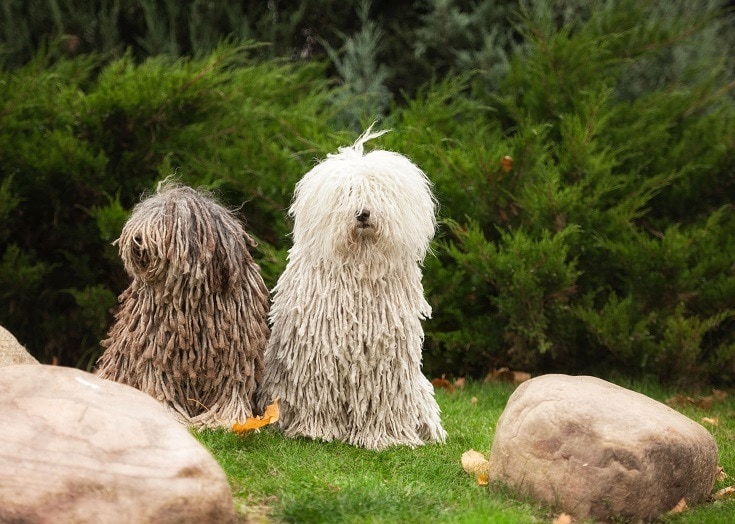
Komondorok are lively livestock protection dogs with a rich history. They trace their origins back to Hungary. Their name is still Hungarian, and it is derived from the ancient Cuman people. People like them for their unique look, bravery, and loyalty. Komondorok are not common dogs in North America, but they retain regional popularity and an iconic appearance that still resonates with dog lovers around the world to this day.
Featured Image Credit: Everita-Pane, Shutterstock