Gardening is a hobby that more and more people are starting to enjoy. In fact, according to the 2023 National Gardening Survey, the average household spent $616 on gardening and lawn activities in 2022, an increase of nearly 14% over 2021 figures.1 However, enjoying this hobby can have some added challenges if you’re a dog owner. After all, your pup will undoubtedly want to be in this green space with you, but you need to aim to make it enjoyable and safe for everyone who will have access, and that includes your pets. Read on as we provide some tips for creating a dog-friendly garden that everyone in the house can enjoy.
The 12 Tips for Creating a Dog-Friendly Garden
1. Plan Your Space
Planning your space ahead of time is essential for ensuring your garden is safe for dogs. If you have a plan in place ahead of time, then the actual process of building your garden is going to go a lot smoother. This includes things like ensuring the size of the garden and plants don’t encroach on your dog’s free space, considering borders, safe plants for dogs, and more, all of which we’ll cover in more depth in the following tips.
2. Consider Installing a Fence or Other Barriers
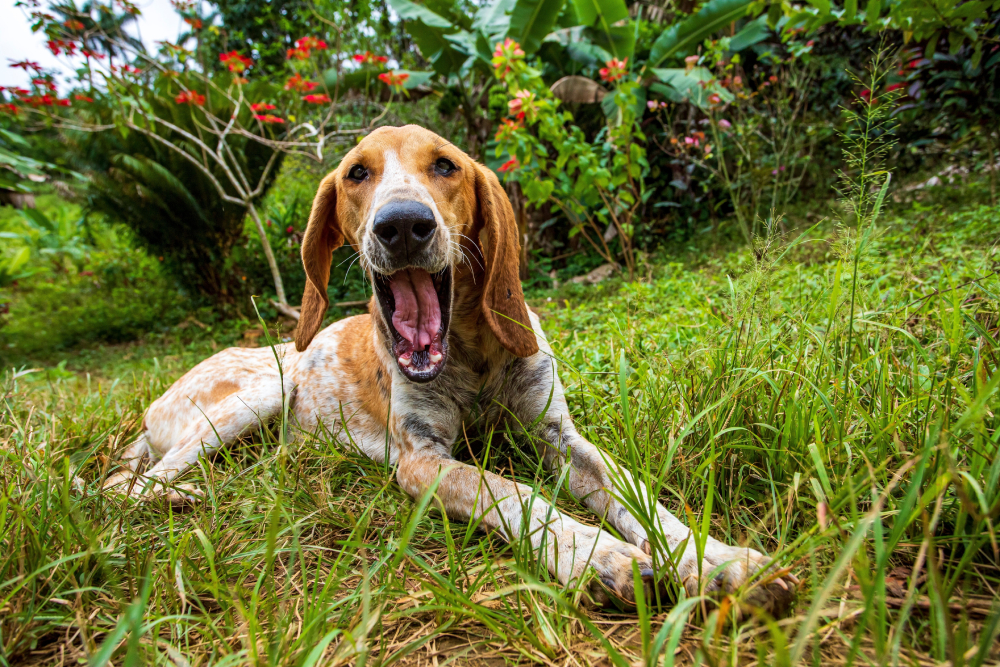
Undoubtedly, your garden may include places you don’t want your dog to explore. While we don’t recommend it, your pup may spend some time alone in the yard. A fence or other barriers can ensure your precious plants don’t get trampled or that your dog doesn’t consume anything that they shouldn’t. You can even divide the garden into sections that are dog-friendly versus those that aren’t by using secure barriers.
3. Know Which Plants Are Toxic to Dogs
As a dog owner, you likely already know how common it is for a dog to put just about anything in their mouth. When it comes to gardens, there are a lot of toxic plants that you want to keep your dog far away from. The effects of these toxic plants range from bellyaches and vomiting to life-threatening reactions. We strongly urge you to determine the safety of every plant you want to add to your garden. You won’t ever see a dog gardening directly, of course, but don’t dismiss the possibility of accidental poisoning, no matter how well-behaved your pooch is.
Examples of safe plants for dogs that you could include in your garden include:
- Berries
- Barley grasses
- Green beans
- Dandelion greens
- Basil
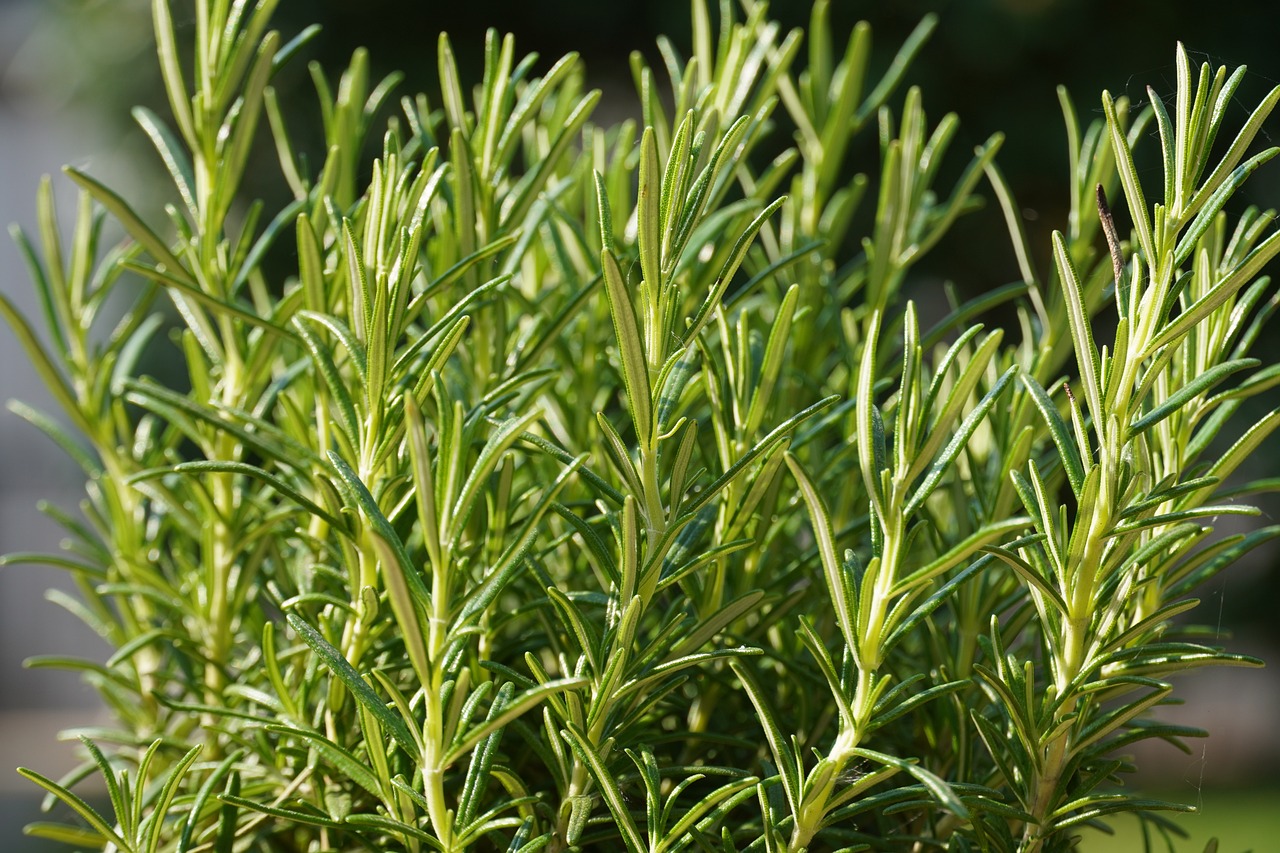
- Rosemary
- Thyme
- Curly-leafed parsley
While all of these plants are technically safe for dogs, know that they should only be consumed in moderation. If you don’t plan to put a fence around your garden (which you should unless every single plant is dog-friendly), then you must ensure that you supervise your dog closely whenever they’re outside.
Always research the species you plan to plant in your garden. Make sure to include any ornamental plants you’re considering in your investigation.
4. Install Raised Beds
If you’re planning on planting things like onions, garlic, or tomatoes, we suggest planting them in raised beds, if possible. Raised beds can protect your plants from an excited pooch running around the yard, and extra tall beds can provide a barrier against a nosy pup. Adding a fence or chicken wire can ensure they stay safe as well. Either way, you need to put some sort of measure in place to keep your dog away from such plants.
5. Avoid Plants With Spines or Thorns
This tip is probably on your radar already if you have children, but dogs are another concern with any plant that has spines or thorns. Remember that a pet can get injured or caught on a plant merely by brushing against its prickles. For example, roses have hooked thorns that can be challenging to remove if your pup gets stuck. Check with your local garden center for a cultivar without these prickly outgrowths.
6. Reconsider a Water Feature for Certain Breeds
While aesthetically pleasing, we don’t recommend adding a water feature to your garden if you have a dog. They may not be able to get out of a pond or fountain if they accidentally fall into it. If you were hoping to have some sort of fountain or pond in your garden, you’ll have to think twice about this and consider whether or not it is a potential safety hazard or find a way to keep your dog away from it.
7. Nix the Cocoa Mulch
While attractive, cocoa mulch is also toxic to dogs and cats if consumed. It contains the same ingredients as the chocolate you may eat. Methylxanthines like theobromine are the primary concern. These chemicals can cause irregular heartbeat or cardiac arrhythmias, seizures, and vomiting. Ingestion is a medical emergency. In fact, even some of the ordinary garden mulch available can be covered in potentially dangerous chemicals or mold, so your best bet is to stick with organic wood-based mulch.
8. Plan for Shade
We recommend including some shaded areas in your garden plan. They will give you and your pet a welcome respite from the sun on bright summer days. You can put your pup’s water bowl and perhaps a bed or blanket in the shade. Canines can get hyperthermia or heat stroke, just like people, and a lack of access to shade is one cause. So, if you prefer your dog to be outdoors with you while you garden, then this is definitely something to consider.
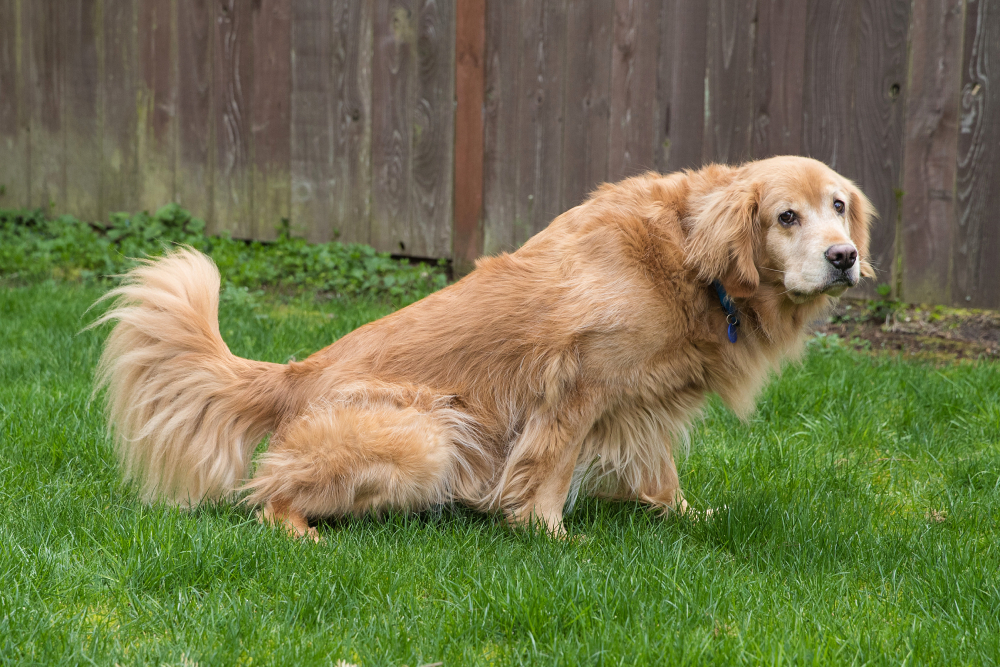
9. Train Your Dog to Use a Specific Potty Area
You probably want to use your garden after all the time you put into creating it. Of course, you may wish to have some places where you can go barefooted, or you probably want to protect your plants from any potential dangers. Therefore, we suggest training your dog to use a particular area to do their business. It will make cleanup easier and protect your plants from marking behavior.
10. Opt for Dog-Safe Fertilizers
If you have a pet, you must vet everything you use in your garden. That includes any chemicals you put on it. Look for products labeled “pet-friendly.” Only apply as much as necessary as per the manufacturer’s recommendations. If applicable, we suggest reading the instructions thoroughly, including the product’s material safety data sheet (MSDS).
11. Mind Your Use of Pesticides and Herbicides
The same caution about fertilizers applies to pesticides and herbicides. We suggest using alternative methods for controlling weeds, such as hand-pulling them. Weeding is an endless job with a garden, nevertheless, we recommend managing it early to avoid using pesticides only as a last resort. If you choose to use them, make sure they are pet-safe, allow them to dry before letting your dog outdoors, and store any unused product out of reach of your pet and small children. If you would ever be unsure about the safety of a particular product, the easiest thing you can do is asking a vet.
Did you know you can speak to a veterinarian without having to travel? Just head over to PangoVet. It's our online service where you can talk to a vet online and get the advice you need for your pet — all at an affordable price!

12. Be Careful About Attracting Pests
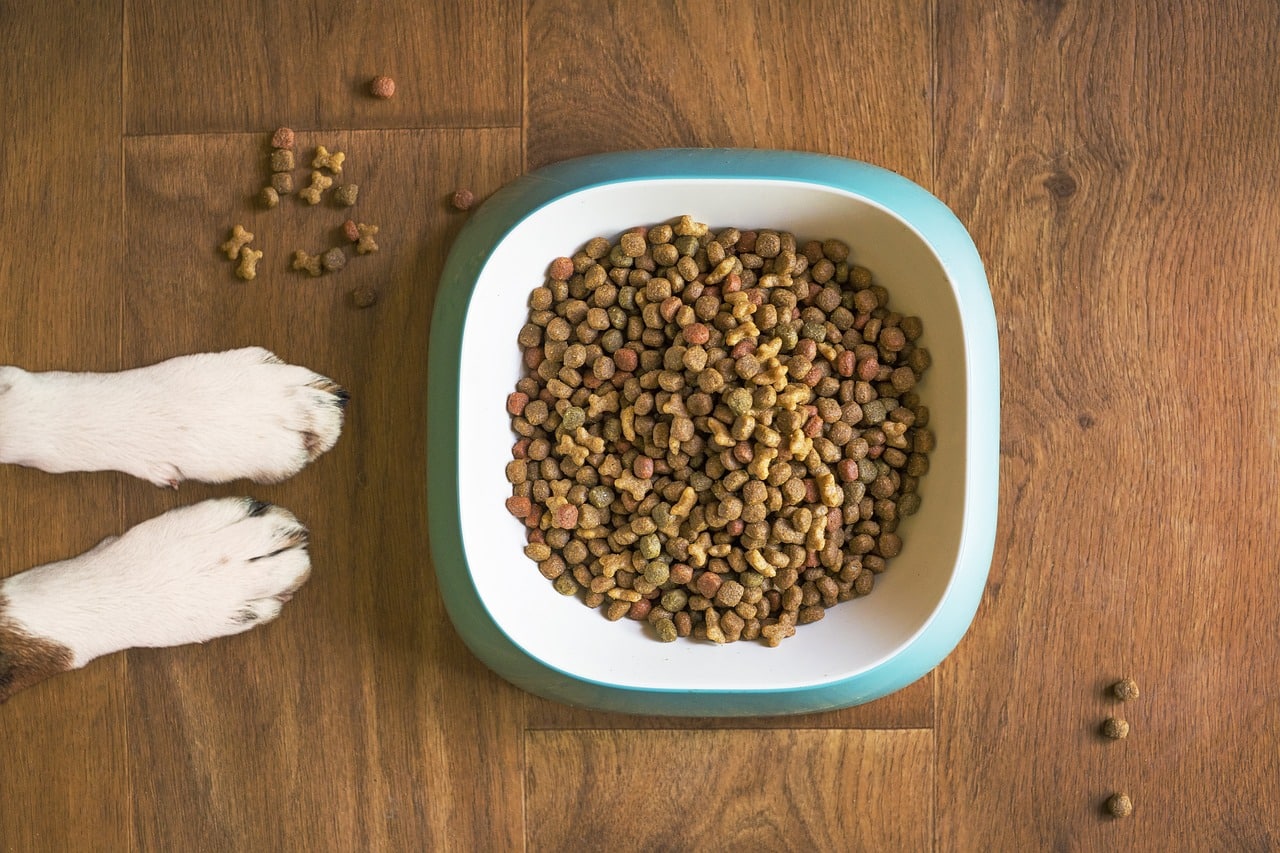
While making your garden dog-friendly is desirable, it’s essential to avoid making it hospitable for unwanted visitors, such as mice and voles. Your pup’s water bowl probably won’t attract pests. However, an unattended food bowl may be an invitation for rodents and other nuisance wildlife. We recommend feeding your dog indoors and never leaving any food out.

Bonus Tips for Dogs That Like to Dig
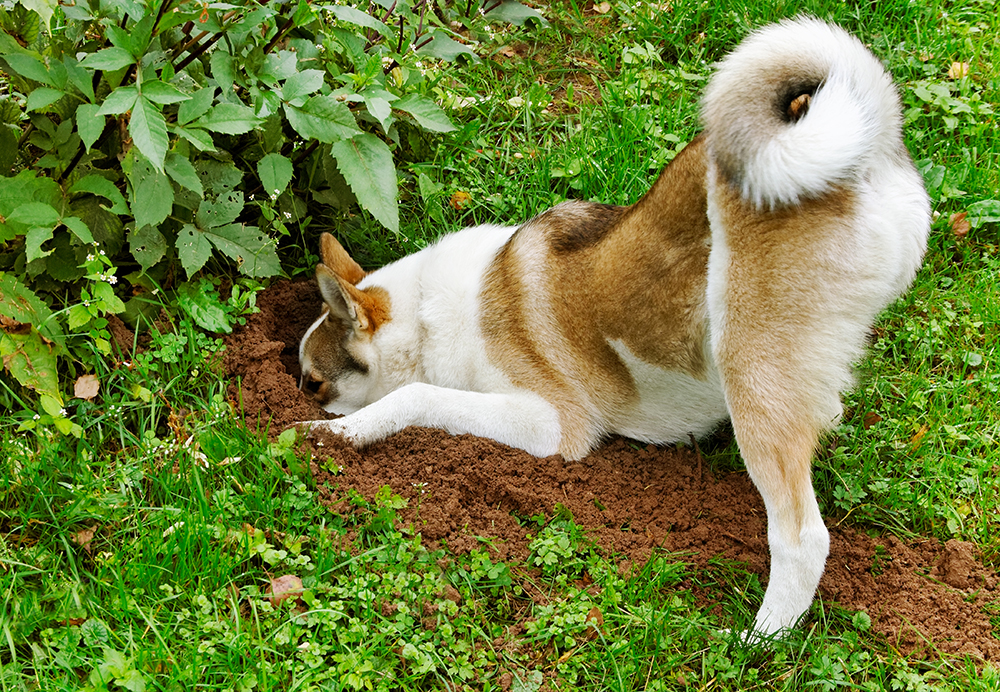
Many dogs like to dig, which is detrimental to gardens. Breeds selectively bred for hunting and ratting are notorious for this bad habit, such as terrier breeds, Beagles, and Dachshunds. Remember that this is often instinctive behavior, but some pets may dig out of boredom. We recommend giving your pup interactive toys, such as a Kong filled with xylitol-free peanut butter, to occupy your dog’s attention.
You should also walk your dog at least twice daily to provide necessary mental stimulation and enrichment. We suggest supervising your pet’s time in the garden and using positive reinforcement to modify your pooch’s behavior. This technique relies on encouraging your pet to act appropriately and get rewarded for it.
If your dog is digging while looking for prey, you should use methods to make your garden less hospitable to any critters, but your plan of action will depend on the pest. Effective practices include removing hiding places like wood piles where rodents may nest, and you should also trim any shrubbery around the perimeter or near your garden.
If you feed birds, install baffles to deter squirrels. We also recommend giving them hulled seeds and types that rodents usually don’t eat. Make sure to follow the 5-7-9 rule to banish squirrels. Keep feeders at least 5 feet up, 7 feet from any launching point, and 9 feet from overhanging branches. It’s far easier to prevent pests than to get rid of them.
You may also consider offering them an appropriate place to dig. Consider filling a small section of your flower bed with sand or a kiddie pool with dirt and allow your dog to dig in these areas by using redirection and positive reinforcement.
Conclusion
Dog-friendly gardening makes spending time outdoors with your pet less stressful. Think of your pup as a toddler. That explains the kind of precautions you must take to keep the area safe. Remember that canines are intelligent. That’s good when you want to teach your pet tricks, but it’s another matter when they dig to get to rodents or run through your vegetable patch.
Simple measures can make your garden more pet-friendly without detracting from your green space. Planning ahead will give you the peace of mind to enjoy your yard without worrying about the damage your dog can inflict or the concerns about your pooch ingesting something harmful. This small step can go a long way toward keeping everyone safe, including your dogs!
See also:
- How Do I Stop Dogs From Fouling in My Garden? Vet-Approved Tips
- 4 Pet Safe Insecticides to Use at Home: Safety & Facts
Featured Image Credit: Julia Zavalishina, Shutterstock
 The 12 Tips for Creating a Dog-Friendly Garden