Why Do Dogs’ Hairs Stand Up? Raised Hackles Explained (Vet-Reviewed)


In this article
Seeing a canine with their hair standing on end can be an unnerving sight, and it just might make your hair stand on end, too! If you’ve spotted your dog with their hackles raised, you may wonder why it happens. In this article, we’ll discuss why dogs’ hairs stand on end, what it means, and how to understand what your dog is feeling.

What Does It Mean When a Dog’s Hackles Are Raised?
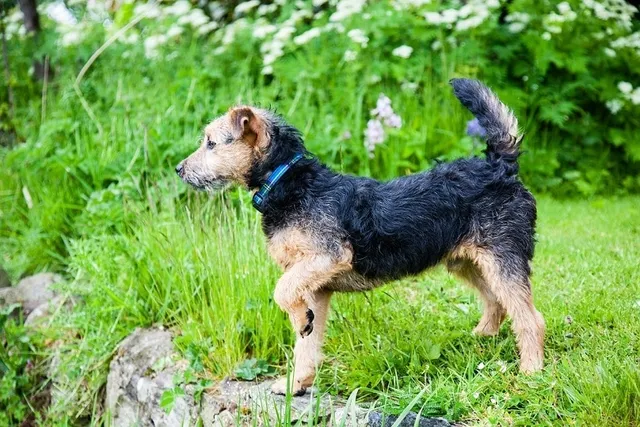
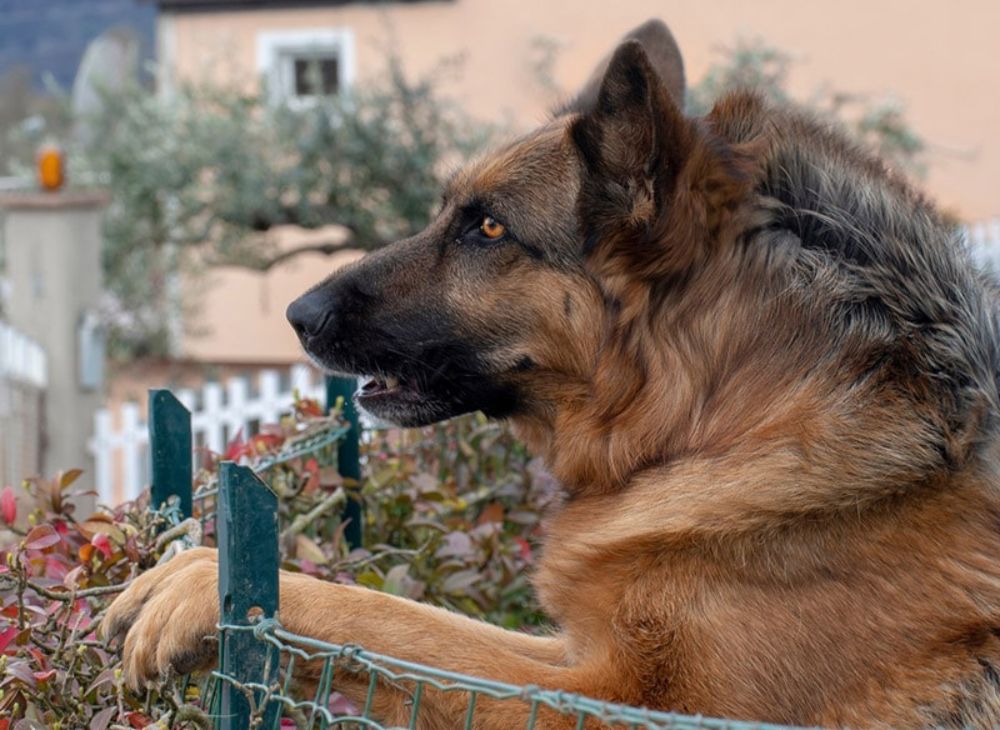
Raised dog hackles are an involuntary, non-verbal expression, technically known as piloerection in dogs. When a dog’s hair stands up, your dog is communicating something about the way they are feeling. It is an indication that your dog is in a state of heightened arousal.
Although it can appear to be a sign of aggression, that isn’t always the case. It can also be an involuntary nervous system response to fear, stress, anxiety, curiosity and even excitement. Pain can sometimes cause raised hackles, so if you notice your dog’s hair is often standing on end and you are unsure of the reason it’s best to take them to the vet to rule out the possibility of medical issues and discomfort.


The 5 Reasons a Dog's Hackles Might Be Raised
1. Aggression
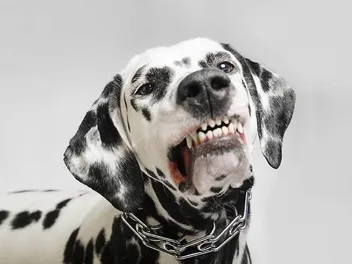
Raised hackles can be a sign that a dog feels threatened and is preparing to defend itself. This defensive response might trigger when another dog or person enters their perceived territory or acts in a way they perceive as a challenge. Hackles in this context are often accompanied by growling, barking, or a stiff, forward-leaning posture. It’s vital to recognize this as a warning sign and give the dog space to avoid making the situation worse.

2. Fear
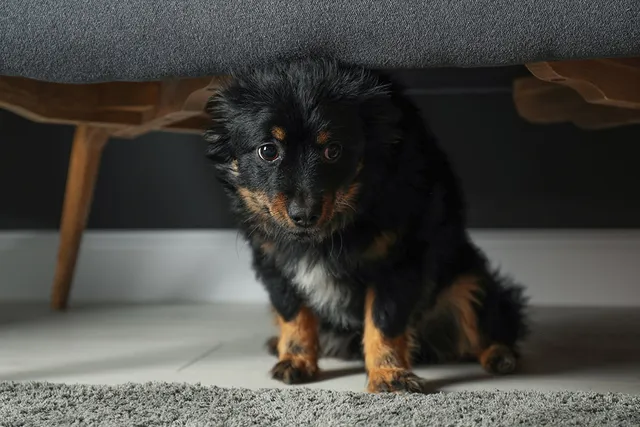
Fear is another common reason for raised hackles. If a dog feels scared or cornered, their body might react with piloerection as part of the fight-or-flight response. If the hackles are related to fear, the dog will also likely display submissive body language, such as a tucked tail, low posture, and trying to back away. It’s also good to give your pup space in this situation and do what you can to calm them down and show that they aren’t in danger.
3. Stress/Anxiety
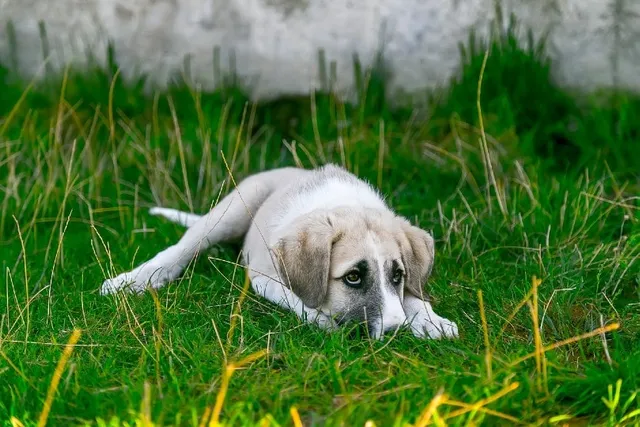
Stressed or anxious dogs often also get raised hackles as part of their heightened emotional state. Stress can be caused by a chaotic or overly stimulating environment or unfamiliar situations, while anxiety can come from triggers like separation, loud noises, or sudden changes in the environment. In both cases, piloerection is usually accompanied by other signs such as pacing, whining, or excessive licking. Try to identify the cause of the stress or anxiety and either put a stop to it or try to remove your dog from the situation.

4. Curiosity
Piloerection isn’t always a negative sign. Sometimes, a dog’s hackles rise because they’re curious about something new and unfamiliar. This is especially common when they come across an unusual smell, sight, or sound. In these cases, the rest of their body language is usually neutral or exploratory, with relaxed ears and a calm stance.
5. Excitement
Excitement can also cause a dog’s hackles to rise, especially if they are highly stimulated from playtime or if a new visitor has arrived. It may even happen because they know they are about to go for a walk. Signs that go along with this would be tail wagging, jumping, or energetic movements.

How to Tell if Your Dog Is Fearful or Anxious
If you spot your dog with their hackles raised, it can be easy to assume they are being aggressive. However, other emotions such as fear and anxiety often play a role. To better understand why your dog has their hackles raised, keep reading below to learn how to read their other nonverbal cues to understand their emotions.
Relaxed Dogs
One of the easiest ways to spot when your dog is not feeling their best is to know what they look like at their best. Noticing the signs that your dog is relaxed will help you to realize when they are unhappy in the future.
Typically, relaxed dogs have soft facial expressions. Their eyes are rounded or perhaps slightly squinted. Their ears are facing forward and slightly erect unless they have floppy ears. Relaxed dogs also tend to hold their body weight evenly on all four paws.
Fearful or Anxious Dogs
Fearful or anxious dogs will likely look a lot different than their relaxed counterparts. When you look at their face, the whites of their eyes may be more obvious. They will likely avoid eye contact with you and instead intensely stare at their surroundings or whatever is worrying them. They may blink excessively, or they may not blink at all.
You should also pay attention to their ears. A dog’s ears can communicate a lot, including feelings of stress or anxiety. Tense dogs often have their ears lying flat against their head and pinned back. For dogs with floppy ears, this can be more challenging to spot.
Your dog’s lips may be pulled back, as though they are preparing to snarl or bite. It will look like they are grimacing, and their whiskers will be erect. You may also notice vocalizations, as anxious dogs tend to make noises such as barks, whimpers, growls, and whines. This is to signal their distress.
Dogs tend to shift their weight away from whatever is causing their distress, so if you notice your dog is not placing their weight evenly on all four feet, that could be another indication that they are feeling upset. A vet can teach you identify these signs early, so you can make your dog feel comfortable right away.

Final Thoughts
If you notice your dog's hackles raised, there are a variety of potential reasons for this involuntary response. They may be excited, fearful, anxious or it can be a sign of aggression. Take a moment to scan the environment for any triggers, and then for any other non-verbal cues that may suggest their emotional state. Remember that dogs that are sick or in pain may also raise their hackles, so if your dog’s hair has been standing on end with seemingly nothing around to stress them out, make an appointment with your vet.
See also: Folliculitis in Dogs
Sources
Featured Image Credit: Sarah2, Shutterstock
Expert dog care, straight to your inbox
News, insights, expert advice, and everything dog.

No spam — unsubscribe anytime.
By signing up, you agree to our Terms & Conditions and Privacy & Cookies Policy.
How useful was this post?
Click a star to rate. You can leave written feedback afterwards. (We read all feedback.)
Pets are Jordyn’s passion, especially cats. Whenever she has the opportunity, she loves to learn about animals and share her knowledge with everyone. She is devoted to her mischievous tabby cat named Jack and works hard to buy him his favorite toys and treats. Discovering new ways to better care for her pet is always on the top of her to-do list, and she is eager to help pet parents everywhere who have similar pursuits. In her free time, she loves to write, read, and take long walks. She has a creative spirit, which often helps her to come up with funny cat names.