Palliative Care for Dogs: 8 Vet-Approved Ways to Make It Comfortable


If your dog has a condition that will limit their lifespan, and a cure is not possible for medical or other reasons, palliative care is the next step. Palliative care involves managing the symptoms and complications of the condition to reduce pain, discomfort, anxiety, and stress, and offer the dog the best quality of life possible until their last day.
Metastatic cancer is one example of a condition for which palliative care would be necessary, but there are several others, including kidney failure, heart failure, and canine dementia. In this guide, we'll take a look at common palliative care practices and what you can do to help your dog feel as comfortable as possible in their last stretch of life.

The 8 Ways to Make Your Dog More Comfortable in Palliative Care
1. Adapt Your Home
One of the key principles of palliative care is making the dog's environment as easy to navigate as possible and prevent injury due to mobility or sight issues. On that basis, your vet may recommend making a few changes to the layout of your home. Examples include (but are not limited to):
- Installing pet gates at the top of stairs or other potentially hazardous areas.
- Making sure your dog has a soft, comfortable, accessible bed made of easy-to-clean material (they may wet the bed) to retreat to.
- Using elevated food bowls to help prevent discomfort and pain when eating or drinking. Placing bowls just above your dog’s elbow height is helpful for dogs with neck or back pain, including older dogs with arthritis.
- Installing non-skid materials in areas where your dog is at risk of slipping.
- Installing ramps to help the dog reach their favorite spots.
2. Stay Close
During this time, your dog may need your supervision and assistance more than ever before. Simply being proactive and keeping an eye on your dog as they move around, for example, by guiding them up and down the stairs to prevent accidents, can make all the difference and help your pooch feel more secure. If your dog is laying too long on one side, they can get pressure sores, but you can prevent this by monitoring them and making sure they get up and turn over.
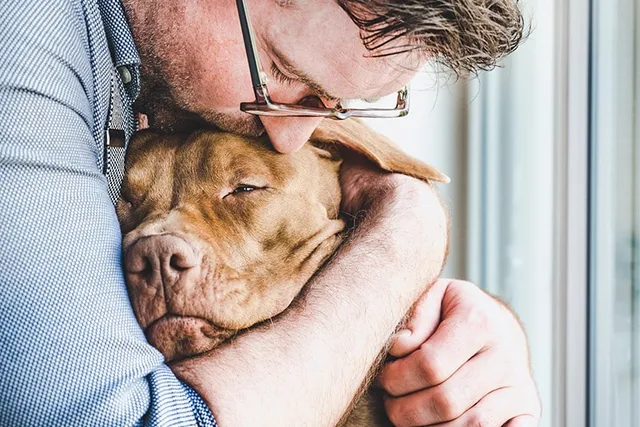
It's also more essential than ever that your dog feels truly part of the family, so ensure they have a comfy spot in areas where you and anyone else in your home spend a lot of time, like the living room. Your dog will feel comforted by the presence of his or her favorite people.

3. Provide Mental Stimulation
If your dog can still enjoy physically and mentally stimulating activities, they will benefit from getting a bit of exercise (adapted to their limits, of course) and playing games with you or with interactive toys. Mental stimulation can help keep senior dogs' minds sharp and therefore slow the progression of cognitive decline.
Mentally stimulating activities for dogs include working on basic training commands, hide-and-seek-type games requiring the dog to find hidden treats (or you!), and playing with puzzle feeder toys. The key is to keep things simple and easy to follow.
4. Medication & Supplements
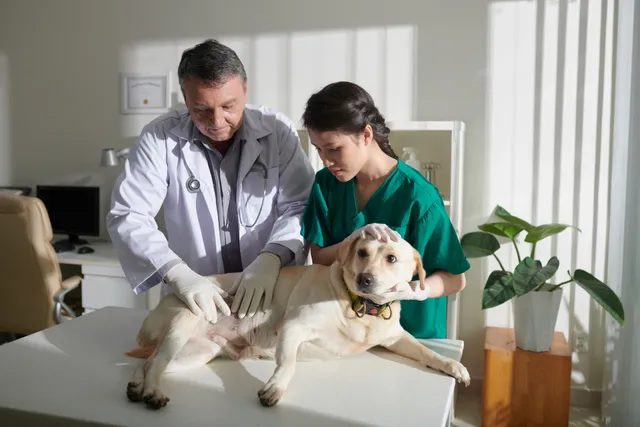
Pain control is one of the most crucial palliative care principles, as this kind of care is all about your dog's comfort. Even if the condition is incurable, your vet may be able to improve your dog's quality of life by prescribing appropriate medications and possibly supplements.
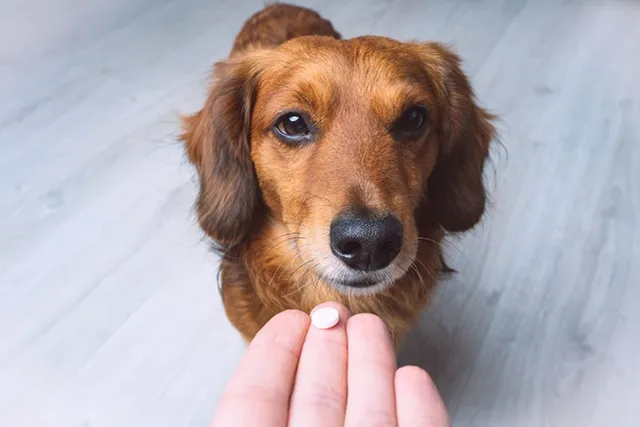
In addition to pain medication, other types of medication that may be prescribed include joint supplements, anti-nausea medicines, cough medicines, and anything else that reduces uncomfortable symptoms. Please do not offer any kind of medication to your dog without your vet's approval.
Give all medication strictly as prescribed, and monitor your dog’s signs. Most medications have side effects, and you should have an idea of what to look out for. It’s also likely that medication will need to be adjusted, or new ones will need to be added as time goes on. Contact your veterinarian if anything changes in your dog’s condition.

5. Nonpharmacologic Therapies
In some cases, a vet may decide that certain types of therapy could contribute to your dog's quality of life. Massage is one example of a nonpharmacologic therapy that may relax dogs and help with painful conditions like arthritis. Other therapies include:
- Acupuncture
- Laser therapy
- Physical therapy
- Chiropractic adjustment
6. Diet Adaptation
Some dogs undergoing palliative care benefit from special diets prescribed by a vet. For example, a dog with a reduced appetite may be prescribed an appetite-stimulating food formula or high-calorie food, whereas a dog with kidney disease may be prescribed a special kidney support diet. If you're not sure what kind of food would be best for your dog's individual situation, discuss this with your vet.

7. Pamper Your Dog
This is the time to make your dog feel happy and special, so don't hesitate to pamper them with grooming sessions, lots of attention, and their favorite treats. You'll also want to keep an extra eye on your dog if they're struggling with self-grooming due to mobility issues.
Keeping your dog feeling fresh, clean, and well-groomed may seem like a basic thing, but it can give them a real boost in terms of their comfort.
A great dry shampoo will make keeping your dog clean and happy a breeze. We love Hepper's Cucumber & Aloe Dry Shampoo because it will freshen up your dog's skin and coat while reducing irritation. This no-rinse, pH-balanced formula is easy to use and has a soothing cucumber and aloe scent.

- Simply Brush - Waterless cat shampoo / dog shampoo means no rinsing required. Forget the bath! Simply lather through some foam and brush out. Perfect for busy pet-parents and animals afraid of water.
- No Soap - This fresh-smelling dry shampoo for dogs and cats is free from soaps, glutens, dyes, DEA, sulfates and phthalates means it's a hypoallergenic pet shampoo for a dog and cat's itchy skin
- Good for Nervous Pets - You don't want your pet to be afraid of getting clean, so this pet waterless shampoo is ideal for nervous dogs or cats. This waterless shampoo makes getting them clean a snap!
At Dogster, we’ve admired Hepper for many years, and decided to take a controlling ownership interest so that we could benefit from the outstanding products of this cool pet company!
8. Assess Quality of Life
It's the thing nobody wants to talk about or even think about, but when a dog is undergoing palliative care, it's necessary to continually assess their quality of life. If you notice that their suffering now outweighs their comfort and enjoyment of life, it may be time to discuss the possibility of euthanasia with your vet.
Having a dog put to sleep is an incredibly difficult decision to make, but in cases of suffering that won't go away, giving your companion a dignified, peaceful end is the kindest option. Whether you decide that this is the best thing for your dog or are still undecided, your vet will be able to advise you and support you through the process.
Conclusion
Palliative care is not a one-size-fits-all experience because every dog's situation and needs are unique, but the focus should always be comfort and quality of life. If your dog is undergoing palliative care, keep in close contact with your vet; they can work with you to develop the best plan for your dog's needs.
Sources
https://www.avma.org/resources-tools/pet-owners/petcare/euthanasia
https://pethospice.bluepearlvet.com/blog/palliative-care-pets-with-cancer/
https://vcahospitals.com/know-your-pet/palliative-care-for-dogs
https://www.petmd.com/dog/general-health/dog-hospice-and-palliative-care
https://www.aspca.org/pet-care/general-pet-care/end-life-care
Featured Image Credit: Tanya Consaul Photography, Shutterstock
Expert dog care, straight to your inbox
News, insights, expert advice, and everything dog.

No spam — unsubscribe anytime.
By signing up, you agree to our Terms & Conditions and Privacy & Cookies Policy.
How useful was this post?
Click a star to rate. You can leave written feedback afterwards. (We read all feedback.)
Kit Copson is a freelance writer and lifelong animal lover with a strong interest in animal welfare. She has parented many furry beings over the years and is currently a proud cat mom of two—one very chilled (unless hungry) Siamese and a skittish but adorable Domestic Shorthair—and dog mom of one—an adopted Bichon Poodle cross. When not writing about or spending time with pets, Kit can be found drawing in her sketchpad, reading, or more often than not, drinking tea.