In this article
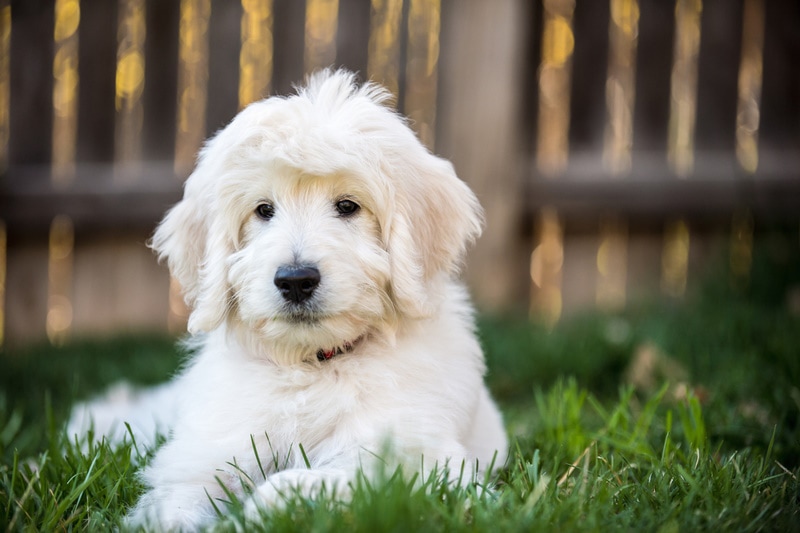
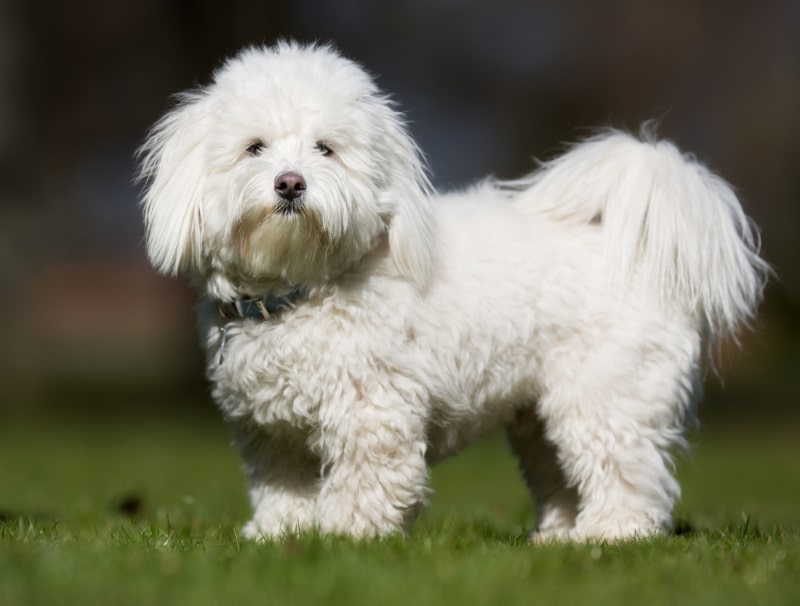
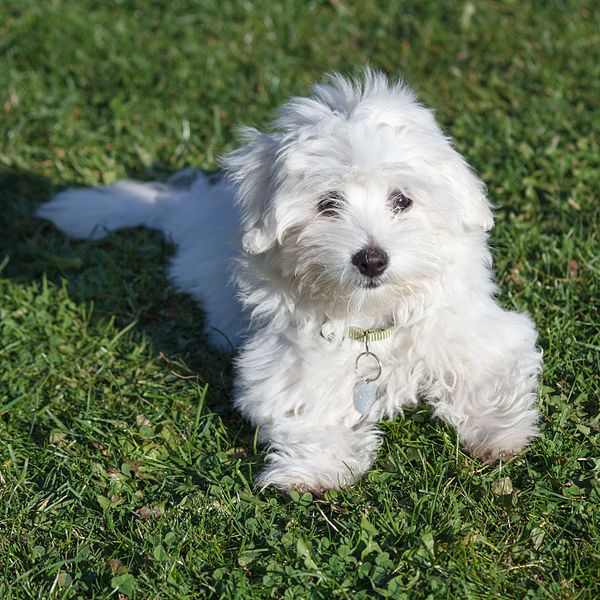
View 8 More +The Coton de Tulear is a small, charming dog breed that’s known for its very fluffy, white coat. They’re also very playful and gentle, making them suitable family dogs. We don’t know the exact history of these canines. However, one myth says that they originated from shipwrecked dogs that swam to the island of Madagascar.
Breed Overview
Height:
9–12 inches
Weight:
8–13 pounds
Lifespan:
14–17 years
Colors:
White
Suitable for:
Families with children
Temperament:
Affectionate, playful, gentle
The most recognizable trait of the Coton de Tulear is its medium-length, soft coat. They shed minimally, making them a good choice for those who are sensitive to dog fur. However, their coat does require daily brushing and combing to keep it healthy. Otherwise, it can develop mats.
Cotons are known for their happy personalities. They’re lap dogs that love to spend time with their families. They’re also pretty intelligent and trainable. However, they can be pretty stubborn at times, especially when around puberty.
Coton de Tulear Characteristics

Coton De Tulear Puppies
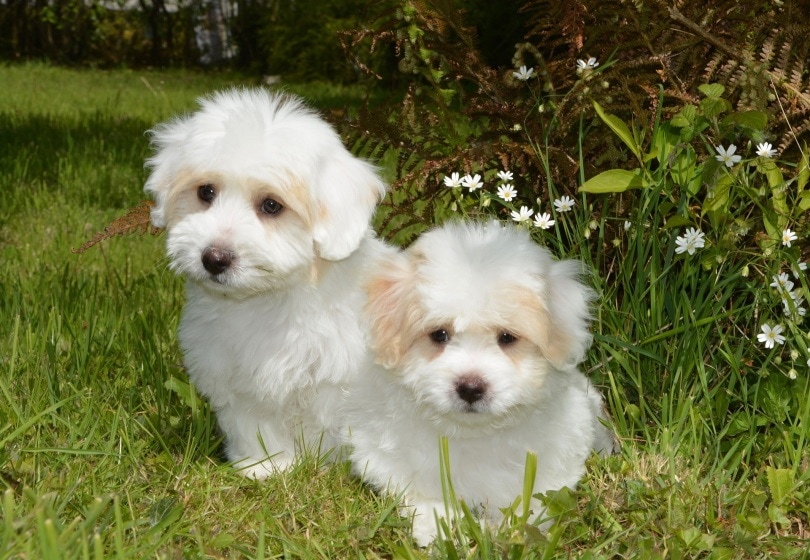
Like most puppies, Coton de Tulear puppies are exceptionally playful and full of curiosity. They bond quickly with just about everyone, making them fun puppies to own. Because they’re eager to please, they’re often easy to train. However, they can become stubborn as they reach adulthood.
While these dogs are social, we still recommend socializing them from an early age. They can become anxious if not properly socialized. You should also take care to train them to be alone. They can be prone to separation anxiety if not crate-trained.
Finding a Coton de Tulear isn’t terribly difficult. There are many reputable breeders around the world that produce healthy, quality puppies. However, they aren’t a common enough breed to end up at your average animal shelter or rescue. You typically have to go through a breeder.
For this reason, you should also expect to pay more for your puppy. After all, you’re paying for the expertise and care of the breeder.
Temperament & Intelligence of the Coton de Tulear
The Coton de Tulear is typically an affectionate dog that forms strong bonds with their families. They’re incredibly playful and cuddly, enjoying time spent with their people above most other things. They will follow you around the house and ask for attention, so be prepared.
While these dogs aren’t super energetic, they do require regular exercise. They’re absolutely more energetic than most of the other lapdogs out there. Mental stimulation can help them stay engaged and prevent boredom. Cotons may bark if they see unfamiliar people or hear strange sounds. However, they don’t bark as excessively as many other dog breeds.
Are These Dogs Good for Families?👪
Generally, Coton de Tulears are good family dogs. However, there are some factors you need to consider. They aren’t great for every family.
These dogs are often gentle and affectionate. They’re exceptionally loving and bond closely with their humans and many people love them as lapdogs. Their relatively small size also makes them well-suited to living in many different situations, including apartments. They don’t need that much space. They can also be good dogs with children if they are well-supervised.
However, they can develop separation anxiety and even become destructive if left alone for too long. You need to train them to be alone from an early age, and some may never do well with being left alone.
Their long coat requires regular brushing and even professional grooming to stay healthy. Not all families can commit to their grooming needs, especially when you throw in their energy level. They may be little lapdogs, but they still require a lot of work.
Does This Breed Get Along With Other Pets?🐶 😽
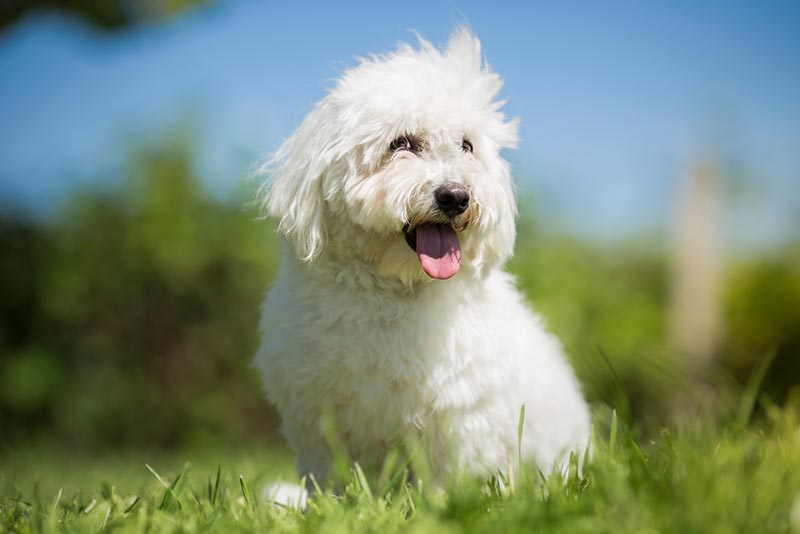
Yes, Cotons are often friendly with other pets, especially when socialized well from a young age. Their inherent friendliness extends to other furry friends, including dogs and cats. They’re often very tolerant of other canines and don’t chase cats as much as other breeds.
They’re incredibly playful and energetic, though. Therefore, they do best with dogs that have a similar energy level. Otherwise, they can be a bit much.
Luckily, these dogs aren’t very dominant or aggressive. They’re less likely to instigate conflicts with other pets. However, it’s important to remember that individual temperaments vary. Some Cotons may be timid around other dogs, especially if they are larger. Socialization is still vital to ensure that they learn how to interact with other dogs well.
Things to Know When Owning a Coton de Tulear
Food & Diet Requirements🦴
Coton de Tulear doesn’t have any special dietary needs compared to other dogs. They often do well on a diet designed for any other smaller dog. Because they are so small, their mouths are quite tiny. Therefore, they often can’t eat your average kibble. Instead, they have to eat smaller kibble. So, you’ll often need to purchase a special, small-breed dog food.
Be sure to consider your dog’s life stage when buying food. Puppies need different nutrition from adults. They often require more protein and higher amounts of certain nutrients to support their development.
Once your dog reaches an older age, you may want to switch to senior dog food. These dog foods are formulated for problems that older dogs often experience. They may have more protein or fewer calories, depending on your dog’s needs. You don’t have to switch your dog to a senior food at a certain age, though.
Often, these dogs are pretty healthy. However, they can develop certain health problems. If this occurs, you may need to put them on a specific diet according to your vet’s instructions.
Always keep an eye on your dog’s body condition. At the same time, you should follow the instructions on the back of the dog food container. However, if your dog begins to gain or lose weight, you may need to adjust the amount of food they’re eating. Obesity can lead to all sorts of problems for dogs, so it’s vital to avoid it.
Divide their food into at least two meals a day and stick to a stable feeding schedule. When younger, these dogs may need as many as three or four meals a day to maintain stable blood sugar levels.
Exercise🐕
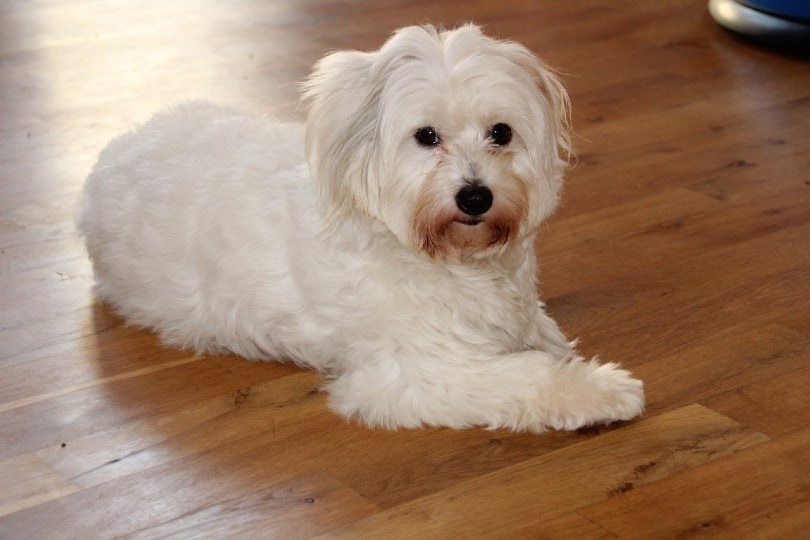
Cotons are energetic yet manageable in terms of their exercise needs. They are not exceptionally demanding, but they still require daily physical and mental exercise.
Aim for at least 30–40 minutes of moderate exercise each day. This should be divided into at least two shorter sessions, though. A 15-minute walk in the morning and one in the evening is often enough for these dogs. These dogs love to be with their humans, so they often enjoy interactive playtime.
Of course, there is some individuality that you need to consider here, too. Cotons are sometimes more energetic and require more exercise, while others may be more laidback. Expect to adjust your exercise routine as your dog grows, too. Puppies often cannot walk as long as an adult, but they typically need the same amount of exercise. Therefore, you often need to implement shorter, more frequent sessions.
Exercise is vital to ensure that your dog stays at a healthy weight. Just like humans, exercise prevents a whole host of health issues, so it’s important not to skip exercise whenever possible.
Training🎾
Coton de Tulears are very intelligent and often eager to please. However, they can be stubborn at times, especially around puberty. They were not bred for their obedience like working dog breeds, so you cannot expect them to be as obedient as a Poodle or Border Collie. That said, they are still easy to train and can quickly learn all of the basic commands.
Focus on being consistent and patient from an early age. Reward good behaviors with praise and affection. Reinforce desired behaviors to teach your puppy how to behave indoors. You should also start basic obedience training as soon as your puppy is old enough. Early training classes can be very beneficial to these dogs. They help you get a jump start on training and provide socialization in a safe, controlled environment.
Socialization is important because it teaches your dog how to interact with new people, dogs, and places. Without proper socialization when your dog is younger, you risk your canine becoming anxious and fearful in new situations.
We recommend keeping training sessions relatively short, aiming for 5 to 10 minutes at a time. Use clear visual and auditory cues. While most trainers do recommend a verbal cue, hand signals can be another training mechanism, too. Many trainers now recommend doing both.
Keep training fun, and aim to end on a positive note. Keep it fun and end before your dog gets tired to ensure that they look forward to the next session.

Grooming✂️
Cotons have long, white coats that require considerable grooming. To keep them looking clean and fluffy, you’ll have to brush them daily. A slicker brush works best, but some owners prefer a pin brush. Either option is fine, and you may decide that you even like to use both on different parts of the dog’s body.
Be sure to brush gently and thoroughly. Start from the ends of the fur and work your way up the roots to avoid pilling different tangles together. Certain areas are prone to matting, like behind the ears, under the legs, and around the tail. You may need a comb to reach these areas, so having one on standby is a good idea.
It takes less for these dogs to look dirty due to their white fur. Plan to bathe your Coton every 4 to 6 weeks. You may need to increase or decrease this frequency, though. Avoid harsh shampoos that may dry out your dog’s skin. Instead, choose a hypoallergenic formula and ensure that you rinse your dog well.
Health and Conditions🏥
Coton de Tulears are considered healthy dogs. However, they are still prone to a few health problems, like skin allergies. They can be allergic to environmental factors or ingredients in their food. Both can lead to skin problems like itching, redness, and inflammation.
Ear infections are also common due to their floppy ears, which trap moisture. Bacteria and yeast can both love moisture and can cause ear infections. Check your dog’s ears regularly and keep the inside trimmed to help prevent these infections. Like many small dogs, Cotons are also prone to luxating patella. This condition leads to the kneecap slipping out of place, causing lameness and discomfort. Sometimes, surgery is required.
Progressive retinal atrophy is sadly common in many different dog breeds. This condition is genetic and leads to gradual vision loss. There is no cure for it, and it eventually leads to blindness. Selecting a dog from a good breeder can help lower the risk of this condition, especially if they perform genetic testing for this condition.
As with any dog, regular dental cleaning is recommended to prevent dental problems. While these start out relatively minor, they can become very serious. Some dental problems are even deadly. Therefore, we highly recommend keeping an eye on your dog’s dental health and getting professional cleanings as necessary.
- Skin allergies
- Ear infections
- Dental problems
- Luxating patella
- Progressive retinal atrophy
Male vs. Female
There are not many differences between the males and females of this breed. Both are around the same size, though males may be slightly heavier. Because these dogs are so small, this slight difference isn’t noticeable.
There will be reproductive differences, of course. If your dog is spayed or neutered, these differences will be much less considerable—or even non-existent.
Dogs that aren’t spayed or neutered will have hormones specific to their gender, affecting their behaviors. For instance, females go into heat, causing temperament shifts. Even if you don’t plan on breeding your dog, these temperament differences can be significant (and hard to deal with in some cases).
That’s one reason many vets recommend spaying or neutering your dog before sexual maturity.
3 Little-Known Facts About the Coton de Tulear
1. Their history is very unclear.
It’s uncertain how these small, white dogs got to Madagascar. They may be descended from small white dogs that arrived on the island after a shipwreck, according to one theory. Alternatively, they may have been brought over by sailors in the 16th century. This makes sense, given their Bichon-like traits.
2. Their name translates to “cotton.”
These dogs have a unique coat thanks to a genetic mutation. Their coat inspired their name, which translates to “cotton of Tulear” in French.
3. Despite being lapdogs, they can be pretty athletic.
Cotons are best known for their fluffy fur and affectionate behavior. However, they have excelled in several dog sports, including agility and obedience.
Conclusion
Cotons can be great family dogs. They’re primarily bred as companion animals, so they possess many of the traits families are looking for in companions, such as being friendly and affectionate. However, they’re also more active than most lapdogs.
Therefore, we recommend them for at least moderately active families. They require at least 30 minutes of exercise a day, if not more.
They also need quite a bit of grooming. Their white, fluffy coat is prone to tangles and will look dirtier faster than most other dogs. Therefore, you’ll need to dedicate quite a bit of time to keeping them well-groomed, too. For those with enough time on their hands, these dogs can be great companions.
Featured Image Credit: BIGANDT.COM, Shutterstock