In this article
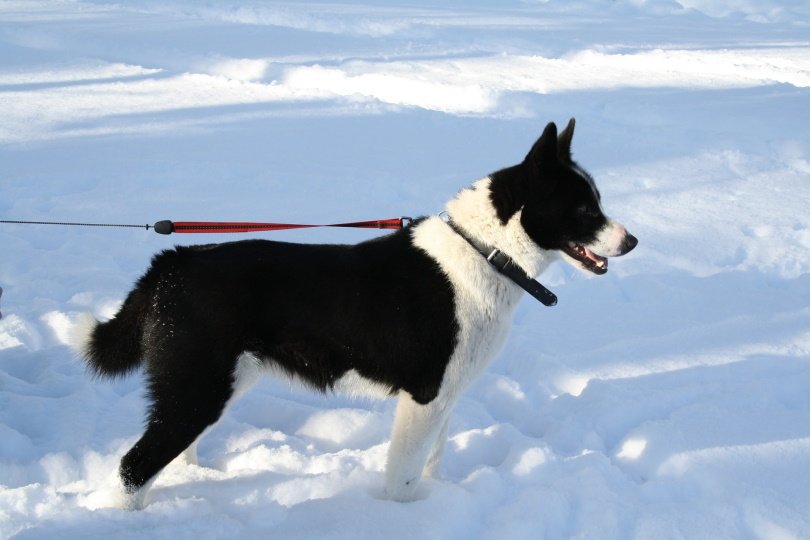
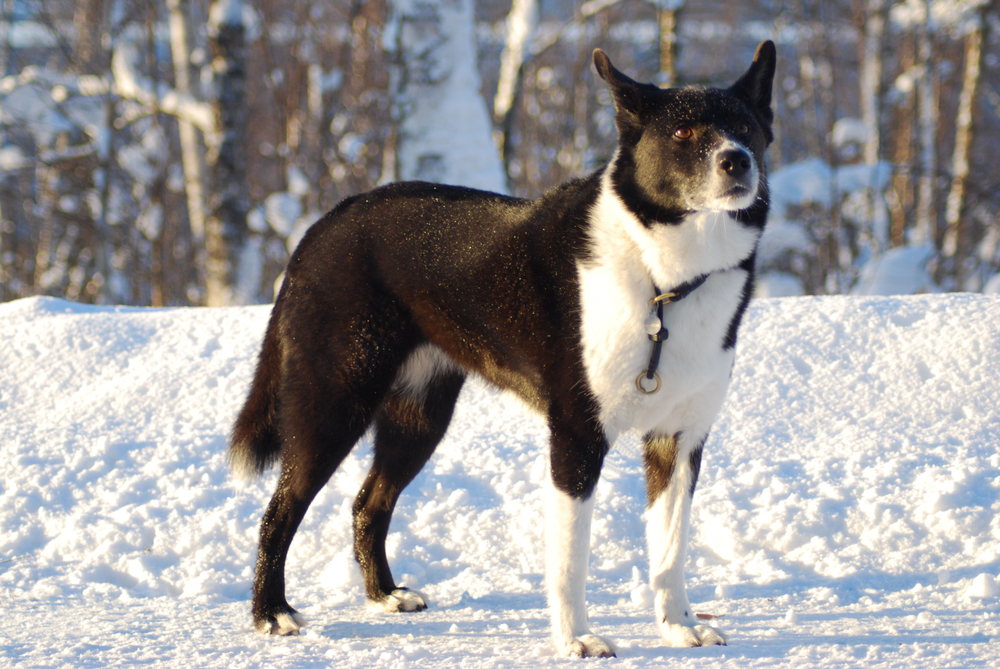
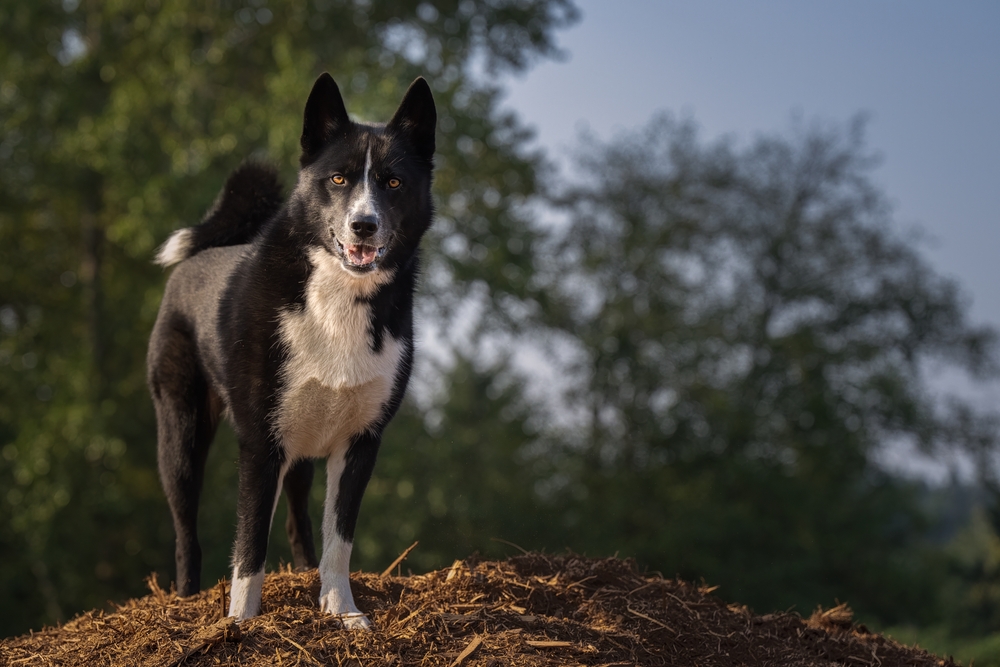
View 8 More +The Karelian Bear Dog is a large, strong breed that’s known for their outstanding hunting skills and independent tendencies. With a coat of either black or black and white fur, this dog seems to always be alert to their surroundings. As a Finnish breed, they are one of the most common and popular dogs in the country. Here is what you should know about the Karelian Bear Dog:
Breed Overview
Height:
19–24 inches
Weight:
35–65 pounds
Lifespan:
10–12 years
Colors:
Black, black and white
Suitable for:
Hunters, active families (with older kids) and adults, houses with fenced yards
Temperament:
Loyal, independent, tenacious, brave, territorial, alert, confident
Karelian Bear Dogs are not for everyone. They were bred to hunt and that’s what they do best. These dogs require extensive training and socialization, especially when it comes to interacting with humans and other animals that are living on their property. That said, these dogs are extremely loving and loyal to their trusted human companions.
Karelian Bear Dog Characteristics

Karelian Bear Dog Puppies
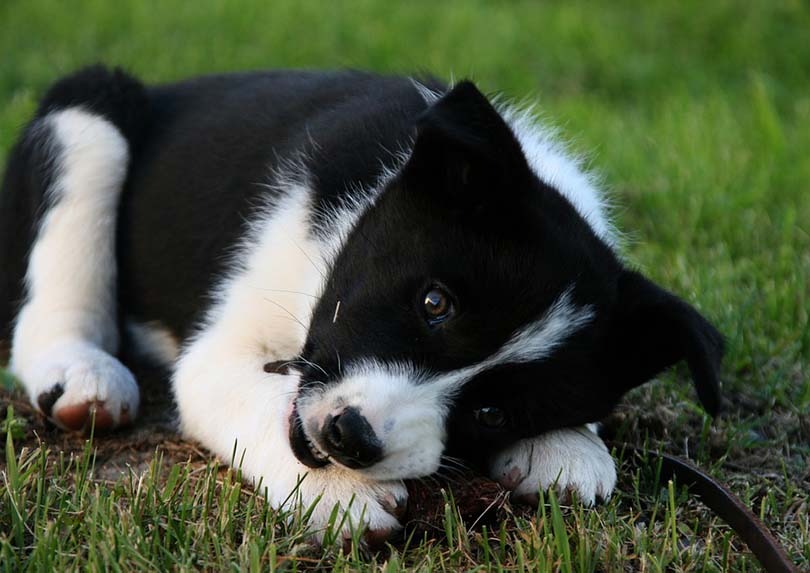
Puppies of this breed are tiny and adorable, but they grow quickly and will look like small versions of their adult selves by the time that they are just a few months old. Training is especially vital during puppyhood, when the Karelian Bear Dog is less independent and stubborn. A well-trained dog will be stellar at hunting or performing other jobs and behave without aggression when others are around. As puppies, they are curious and full of energy, so plenty of outdoor playtime and toys to enjoy indoors are essential.
Karelian Bear Dog Origin & History
Karelian Bear Dogs were first bred in 1936 from stock dogs that were used for hunting in the Karelia regions of Finland. The first standard variety of the breed emerged in 1945, and by 1946, they were registered with the country for official recognition. These dogs were developed to hunt small animals like squirrels, but it quickly became apparent that they could easily help take down large game, such as moose and wolves.
This breed has been bred to work in programs like the one run by Wind River Bear Institute, to reduce conflicts between humans and bears. These types of programs are run in the United States, Japan, and Canada. Today, the breed is not that popular outside of Finland, but hunters and active individuals worldwide have chosen to share their lives with this hardy, loyal breed for one reason or another.
Temperament & Intelligence of the Karelian Bear Dog 🧠
Independent and brave, the Karelian Bear Dog wasn’t bred to hang out at home and lie around on couches. This is a working breed through and through, one that yearns for a life of adventure outdoors. These athletic dogs like various activities, such as hiking and running agility courses. Due to their defensive nature, these dogs tend to show aggression toward other animals, even canines. However, they can learn to live with other household dogs and get along with strange ones if regularly socialized from a young age.
These social dogs like living in large “packs” made up of both humans and dogs. They also happen to be extremely protective of their family members and suspicious of strange people. They are territorial by nature, which can come in handy if they’re being utilized as watchdogs. They are alert, so they always seem to know what’s going on around them and will let their companions know if they think that something is amiss.
Are These Dogs Good for Families? 🏠
The Karelian Bear Dog can get along well in family households, with a few stipulations. First, they can be strong-willed with younger children and try to dominate them while establishing a “pack order” in the household. Second, they are active dogs that shouldn’t be expected to spend all their time at home or in the yard. So, they do best with active outdoorsy families with older (or no) kids. They can thrive with farming and hunting families.
Does This Breed Get Along With Other Pets? 🐶 😽
Due to their hunting instincts, these dogs likely won’t get along with cats or other small animals in the household. They may be able to learn to like felines if they are raised with them from puppyhood, but a significant amount of training, socialization, and space management will be necessary. They can get along with other dogs, especially if they are siblings or were introduced to the household earlier or at the same time.
Things to Know When Owning a Karelian Bear Dog
Food & Diet Requirements 🦴
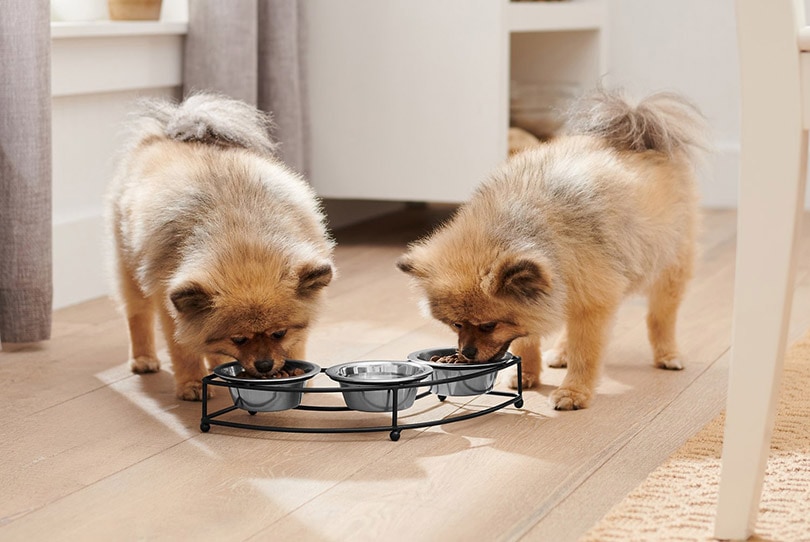
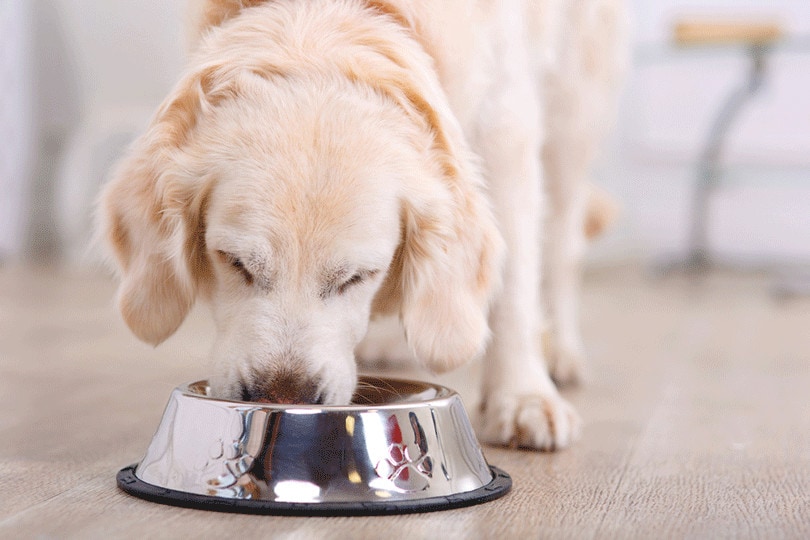
With high energy levels and an athletic build, the average Karelian Bear Dog loves to eat. If they’re allowed, they’ll likely eat too fast and too much. Therefore, their food should be portioned out into at least two meals a day. If they’re eating so fast that they’re choking, consider utilizing a slow-feeder bowl. Look for food options that are designed for your Karelian Bear Dog’s stage of life (i.e., puppy, adult, or senior) and that address any health conditions like obesity or heart disease that the dog might face.
Exercise 🐕
Every Karelian Bear Dog requires plenty of daily exercise to keep their body and mind healthy and satisfied. They have a strong work ethic and are not inclined to lounge around all day. If they don’t have a job on a farm or regularly go on hunting expeditions, they’ll need daily walks and other forms of exercise that enable them to expend energy for at least an hour a day, though the more, the merrier.
In addition to at least 1 hour of vigorous exercise in the form of walking, jogging, hiking, etc., you’ll need to incorporate other forms of exercise for them to engage in throughout the day. These activities can include focused play like fetch, agility training, scent work, and even obedience exercises. Interactive puzzle toys make for great activities inside the house.
Training 🦮
Training is essential for the Karelian Bear Dog. Fortunately, this intelligent breed can learn quickly with consistency and commitment from their trainer. Treats and toys go a long way in getting this breed to cooperate during tough training sessions. These dogs can benefit from professional training while puppies so they are primed for successful at-home training with owners.
Grooming ✂️
The Karelian Bear Dog has a thick, dense coat that is designed for ultimate weather protection. However, this doesn’t mean it requires a great deal of maintenance. A weekly brushing and monthly bath with a high-quality dog shampoo will keep the coat fresh, supple, and free of mats. These dogs have strong nails that tend to grow quickly, so they should be trimmed twice a month or so. They have a tendency to harbor wax in their ears, so cleaning should take place with a damp cloth or pet wipe once a week.
Health and Conditions ❤️
The Karelian Bear Dog is susceptible to developing few health conditions, so they are typically considered a healthy breed. Still, it’s important to be aware of the conditions that could develop so proper screenings can be set up with a veterinarian.
- Ear infections
- Eye conditions
- Hip dysplasia
Male vs. Female
There are a few anecdotal differences between male and female Karelian Bear Dogs. While the breed is considered a quiet one, only barking when necessary, some owners find that their females bark more often at sounds and commotion outside than their male counterparts. Males seem to be a bit more adventurous and more willing to stray away from pack members. Females are said to be harder to housetrain too. When it comes to general personality and temperament, though, there aren’t any real differences to mention.
3 Little-Known Facts About the Karelian Bear Dog
1. They Get Darker as They Age
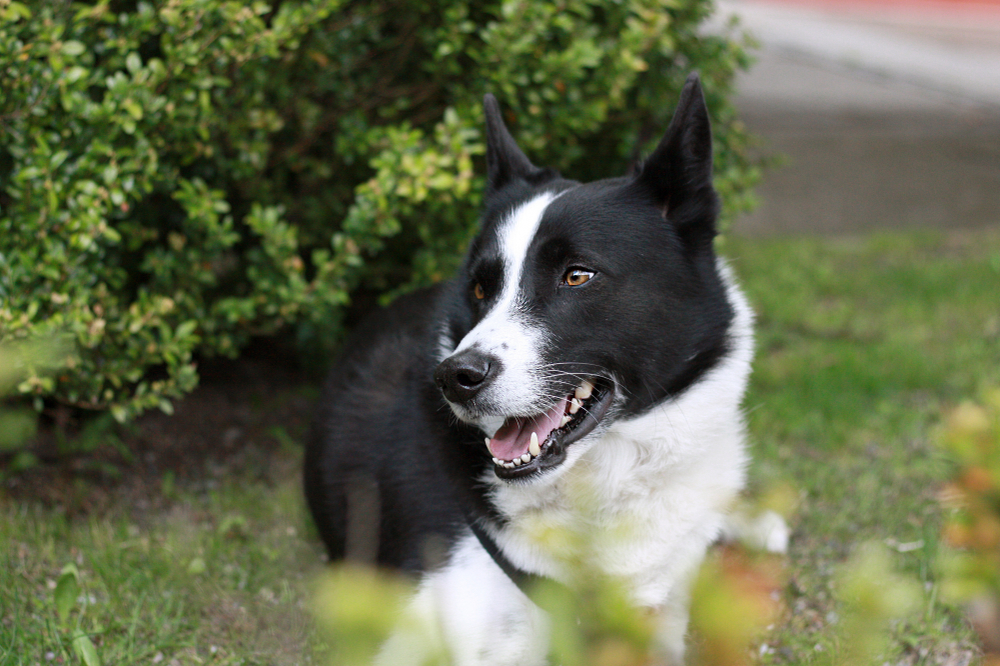
Most Karelian Bear Dogs are born with light fur that turns black as they get older. Some maintain white markings on their chests and legs, but the breed is best known for their entirely black coat.
2. They’re Named After Their Homeland
The name Karelian Bear Dog is inspired by where they came from, which is the Karelia region of Finland. The second part of their name refers to one of the jobs that they’ve been charged with throughout their history: bear hunting.
3. They Become Attached to Their Owners
This breed has historically spent most of their time with their human companions/handlers and continues to do so today when given the opportunity. So, they tend to become quickly attached to their owners and never want to leave their side.
Final Thoughts
The Karelian Bear Dog may not be the right pet for many people, but for those looking for a strong and loyal working breed that can be employed in various ways and that is always up for an adventure, this might be the perfect dog. If possible, spend time with the breed in person to get an idea of their personality and temperament and whether those traits would work well in your personal life.
See also:
- What Do Pet Sitters Do For You & Your Dog?
- Japanese Terrier: Dog Breed Info, Pictures, Facts & Traits
Featured Image Credit: 272651, Pixabay