In this article
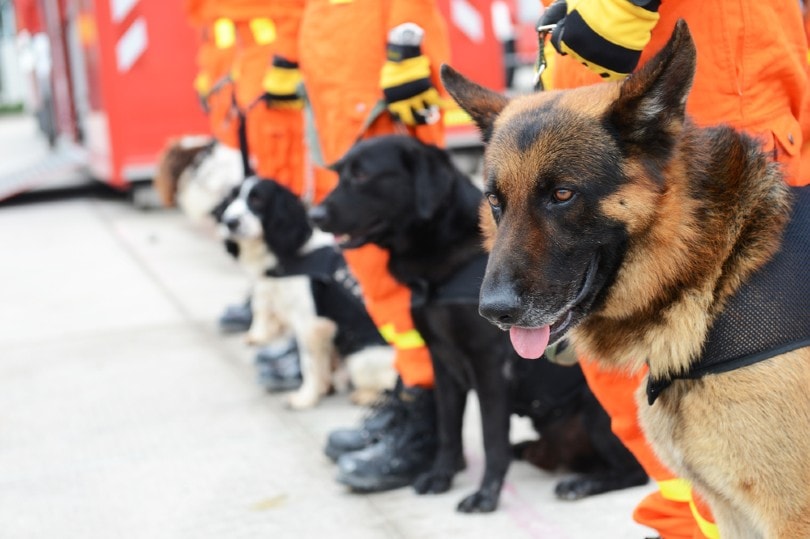
Chances are you’ve heard of search and rescue (SAR) dogs, but do you know what they do and how they do it? Dogs have a long history as companion dogs and an even longer history working with us. Search and rescue dogs are heroic, life-saving canines that perform several tasks, from seeking out a missing child to finding evidence that will help solve a crime.
SAR dogs are versatile and work alongside highly trained handlers to assist in emergencies around the world. Below, we’ll discuss the SAR dog’s job and how they’ve become invaluable in search and rescue operations.

How Does It Work?
A SAR dog’s job is varied and can include locating people lost in the wilderness after a devastating natural disaster and searching for dementia patients after they’ve wandered out of a care facility or hospital. They are charged with assisting humans in need, and they do it very well.
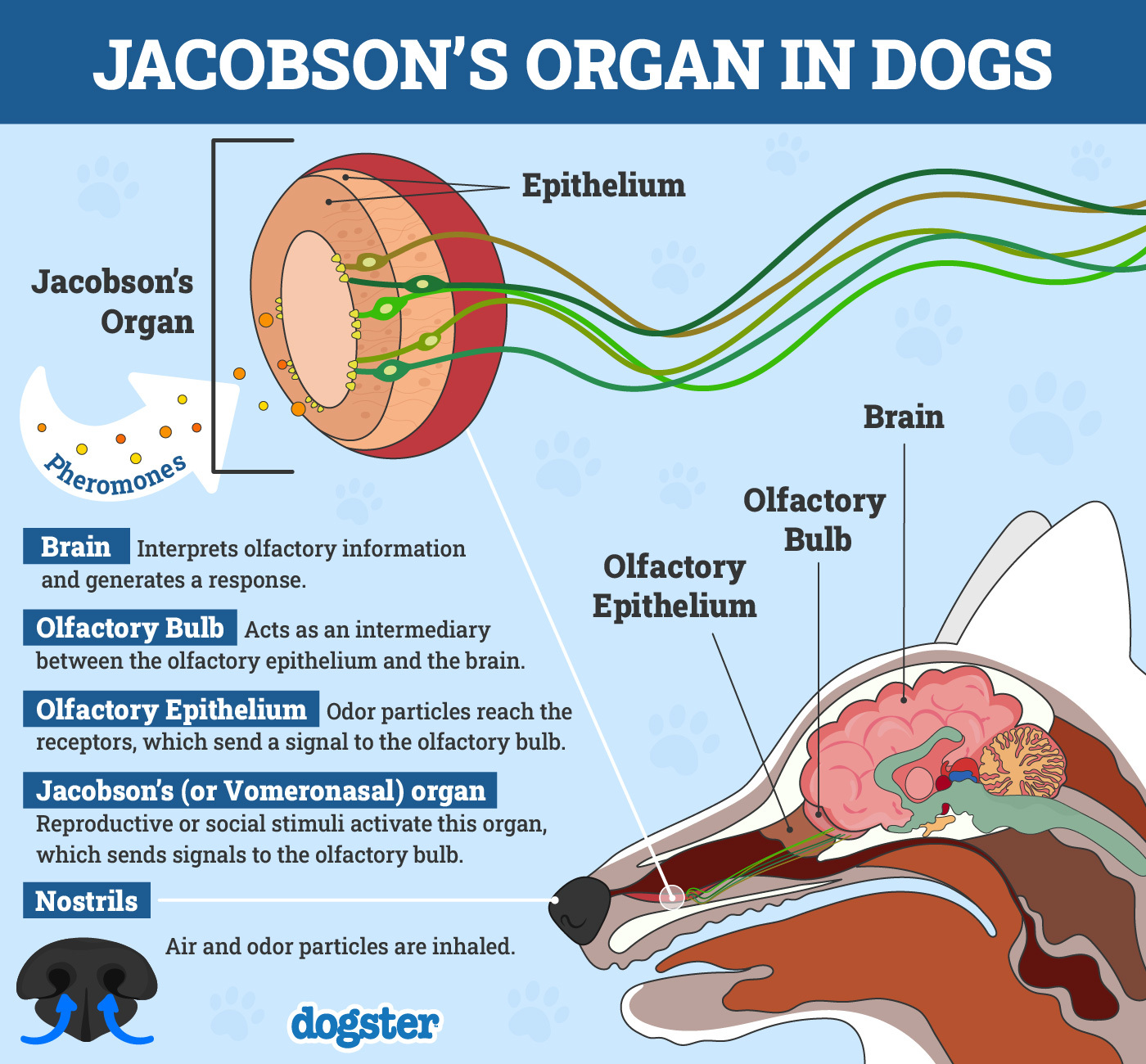
You might wonder why dogs are picked for this demanding job, and the answer is their incredible noses and ease of training. There are between 100-300 million olfactory sensory receptors located in a dog’s nasal cavity, while humans only have 6 million 1. The part of the brain that analyzes odors is also 40 times larger than ours, meaning dogs can smell 1,000 to 10,000 times better than humans!

How Dog’s Noses Work
If you’ve ever wondered how your dog can recognize an old canine friend they haven’t seen for a while, it is because they have excellent scent memory. Not only will they remember the friend, but they’ll also recall the dominant one between them both. When a dog smells something, their Jacobson’s organ or Vomeronasal organ, located in the roof of the mouth, is also involved. Nerves connect Jacobson’s organ directly to the brain, and the nerve cells can respond to substances without odor such as pheromones.
A dog also engages a different side of their nose depending on if a smell is familiar to them or not 2. All sniffing starts with the right side and then switches to the left if it is familiar.

What Are the Different Types of Search and Rescue Dogs?
There are two categories of SAR dogs: trailing and air-scenting. Trailing dogs are trackers and smell an item of clothing they will use to find a missing person. These dogs can work on or off-lead and keep their noses to the ground most of the time, taking the same path as the missing person.
On the other hand, air-scenting dogs will work off the lead and cover a lot of ground to catch airborne scents. Unlike trailing dogs, they will detect scents from anyone, not someone specific.
1. Trailing Dogs
Trailing dogs are expected to follow the trail of a specific person across different types of terrain, which is probably why Bloodhounds are believed to be the best choice. Other breeds do well at this job as long as they are sturdy, large, and can often handle difficult conditions and rough terrain.
Trailing dogs are so focused on the job they can even follow a person’s path if they’ve doubled back or taken the same path more than once. A trailing dog will disregard all other scents and focus on the one they’re tasked with locating.

2. Air-Scenting Dogs
Air-scenting dogs will follow scents diffused by the wind until they locate the source of the smell. These dogs can cover an area as large as 150 acres and even detect the source of a scent a quarter of a mile away.
Once they locate the scent, like a person, for example, they bark at their handlers or return to them to guide them to the source if the handler is too far away to hear a bark. Weather conditions will affect how an air-scenting dog does their job; the temperature, wind direction, wind speed, and humidity affect the SAR dog’s ability to do their job.
Sporting and herding breeds like German Shepherds, Labrador Retrievers, Border Collies, and Springer Spaniels do very well in this role.

Where Is It Used?
There are several operations that SAR dogs will be sent to, and the most common are:
- Urban areas: SAR dogs participate in lowland rescues if a natural disaster like an earthquake, mudslide, or flood has struck a city. Terrorism-related disasters or accidents will also be included in this category.
- Wilderness: This includes rough terrain like caves and woodland areas. SAR dogs will need to utilize agility and stamina to navigate wild landscapes.
- Maritime: People lost at sea and drowning victims are included in this category. The SAR dogs use their sense of smell to identify gasses and skin particles that have risen to the water’s surface.
- Mountains: SAR dogs are sent up mountains to locate people trapped or lost due to avalanches. Thanks to their powerful noses, dogs can detect human scents even if they’re buried under 15 feet of snow.

Frequently Asked Questions
How Long Have Humans Been Working With Search and Rescue Dogs?
Search and Rescue Dogs can be traced back to World War Two in the United States, where they were used to find people buried in their homes after air raids. Elsewhere in the world, they can be traced back to the 1920s, and the earliest documentation is linked to the 1700s, with St Bernards being used in Switzerland.
How Are Search and Rescue Dogs Trained?
Many breeds can be chosen to be SAR dogs, and they can begin their training as early as 8 to 10 weeks old. They usually begin working when they’re 1 to 1½ years old. Training will involve intense daily lessons, and the first step is general obedience. Commands like “stay,” “come,” “heel,” and “sit” need to be mastered vocally and with hand signals.
Agility training ensures they can navigate through all terrain and balance when walking on unstable ground or jumping through windows. The dogs must be confident and able to perform dangerous athletic feats. They then continue specialized training in tracking, searching, and retrieving.
SAR dogs retire when they’re 5 to 10 years old, and they enjoy retirement with their handlers, who are not only their colleagues but also their family.

Do Air-Scenting Dogs and Trailing Dogs Ever Work Together?
During a disaster, both dogs might work together to increase the chances of finding more people. They can cover large areas, like the scene of a natural disaster, or smaller areas, like a specific crime scene.
Air-scenting dogs will be released where the handlers think the target is located, while a trailing dog will start more specifically at the person’s last known point (LKP) or where evidence of the person was found. Both dogs must work between 4 and 8 hours without becoming distracted by wildlife or other emergency workers. They also can be cross-trained to be cadaver dogs.

Conclusion
Search and rescue dogs bring a new meaning to “man’s best friend.” They are trained to use their powerful noses to find people in the most challenging situations. SAR dogs are distinguished as trailing or air-scenting dogs and work long hours to locate people. Their training starts as early as 8 to 10 weeks into puppyhood, and they generally retire when they’re 5 to 10 years old, where they spend the rest of their lives with their loving families.
Related Reads:
- Cadaver Dog Training: Vet-Reviewed Facts, Uses & FAQ
- National Disaster Search Dog Foundation: What It Is & What They Do
Featured Image Credit: hxdbzxy, Shutterstock